Article Summary:
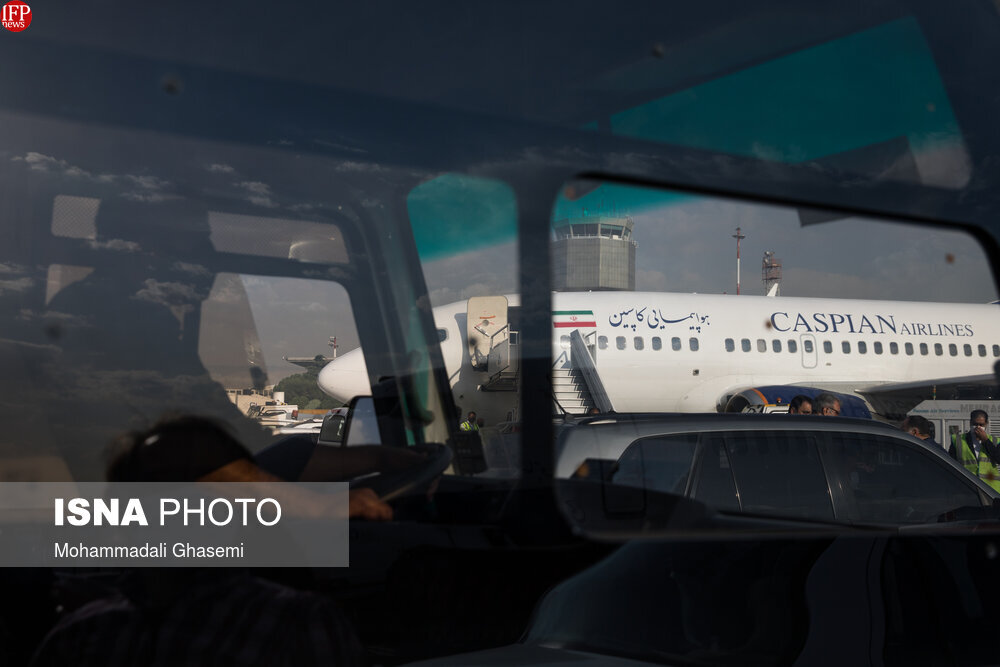
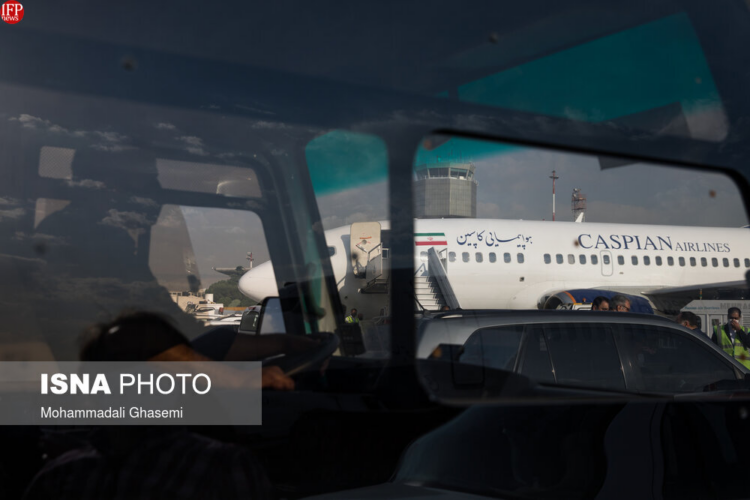
Iran has resumed commercial flights to Sharjah, the UAE, for the first time since a recent 12-day conflict in June. The inaugural service was operated by an Iranian airline, departing Tehran on Monday from Imam Khomeini International Airport at 10:30 a.m. local time. This resumption is seen as a significant step toward normalizing regional travel following the conflict.
Key Points:
- The resumption of flights marks an important step toward normalizing regional travel.
- The inaugural service was operated by an Iranian airline departing Tehran on Monday.
- Hormatollah Rafiei, head of Iran’s Association of Air Travel and Tourism Agencies, emphasized the importance of this development for regional travel normalization.
Actionable Takeaways:
- Restoration of Regional Connectivity: The resumption of flights between Iran and the UAE is a positive development for regional connectivity, potentially boosting tourism and trade in the region. This development is particularly relevant for travel startups and airlines looking to capitalize on the reopening of routes.
- Impact on Travel Tech and Logistics: The resumption of flights could drive innovation in travel technology and logistics, as airlines and travel agencies adapt to the new normal. This includes optimizing flight schedules, enhancing customer experience, and improving safety protocols in light of recent conflicts.
Contextual Insights:
The resumption of flights between Iran and the UAE is a significant development in the context of the ongoing geopolitical tensions in the region. It reflects a potential shift toward normalization and economic cooperation, which could have broader implications for the travel industry. From a travel tech perspective, this development highlights the importance of agile and resilient business models that can quickly adapt to changing geopolitical landscapes. Additionally, the focus on safety and customer experience in light of recent conflicts underscores the growing importance of technology in enhancing travel experiences and ensuring passenger safety.
Read the Complete Article.