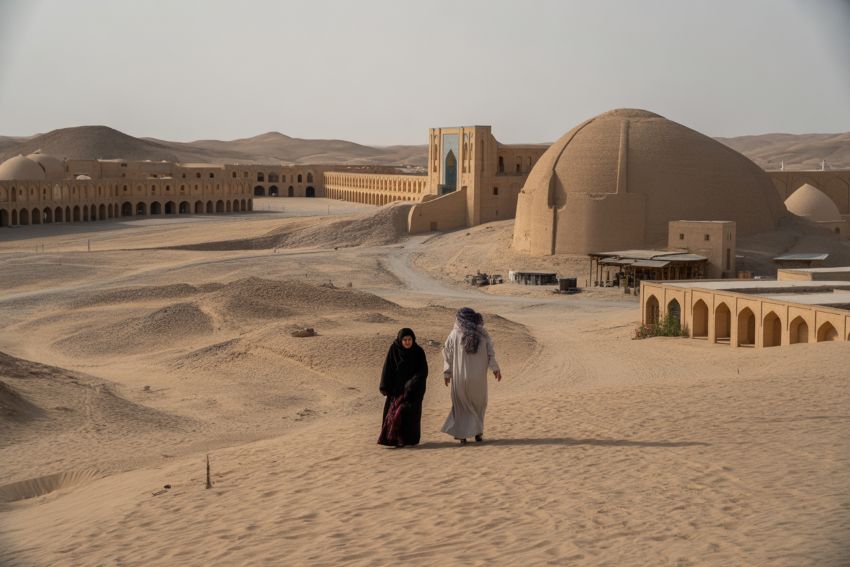
The Ministry of Cultural Heritage, Tourism, and Handicrafts of Iran has launched an initiative in Khor and Biabanak county, Isfahan province, aimed at boosting desert tourism while preserving the region’s rich Sassanid heritage. This initiative seeks to enhance residential and service infrastructure in these areas, positioning desert tourism as a key driver for the region’s future economic growth. The article highlights Iran’s shift towards sustainable tourism practices, emphasizing the importance of balancing economic development with cultural preservation.
Key Points:
Iran’s Ministry of Cultural Heritage, Tourism, and Handicrafts is initiating a project in Khor and Biabanak county, Isfahan province, to promote desert tourism.
The project aims to preserve the region’s Sassanid heritage while enhancing local infrastructure.
The initiative seeks to establish desert tourism as a significant contributor to the region’s economic growth.
The broader context involves Iran’s broader shift towards sustainable tourism practices.
Actionable Takeaways:
Investment in Sustainable Tourism Infrastructure: The initiative underscores the importance of investing in sustainable infrastructure to support the growth of desert tourism. This is crucial for regions looking to capitalize on eco-tourism trends without compromising cultural heritage. By focusing on sustainable practices, the region can attract environmentally conscious travelers, thereby diversifying its tourism revenue streams.
Balancing Economic Growth with Cultural Preservation: The project demonstrates a strategic approach to balancing economic development with cultural preservation. For travel startups and tourism businesses, this highlights the need to integrate heritage conservation into their business models. Companies that can offer authentic, culturally rich experiences are likely to gain a competitive edge in the market.
Leveraging Technology for Heritage Preservation: The initiative aligns with broader travel tech trends, emphasizing the role of technology in preserving and promoting cultural heritage. Travel companies can leverage digital tools for heritage education, virtual tours, and interactive experiences, thereby enhancing visitor engagement while ensuring the integrity of the cultural sites.
Contextual Insights:
The launch of this initiative reflects Iran’s broader strategy to promote sustainable tourism, a trend gaining traction globally. As the travel industry increasingly prioritizes sustainability, regions like Iran’s Khor and Biabanak county are well-positioned to attract a niche market of eco-tourists. This move also aligns with the growing interest in heritage tourism, where travelers seek authentic, culturally immersive experiences. For travel startups and fintech innovators, this presents an opportunity to develop solutions that support sustainable tourism practices, such as eco-friendly accommodations, heritage preservation tech, and digital platforms for cultural education. By aligning with these trends, businesses can not only contribute to the region’s economic growth but also enhance their brand reputation as responsible, forward-thinking entities in the travel industry.