


No products in the cart.
- Latest
- Trending


“From now on, based on the information we have about you, even parks, recreational areas, and tourist destinations anywhere in the world will no longer be safe for you,” Iranian military spokesman Gen. Abolfazl Shekarchi said. IRNA
Comprehensive Summarization:
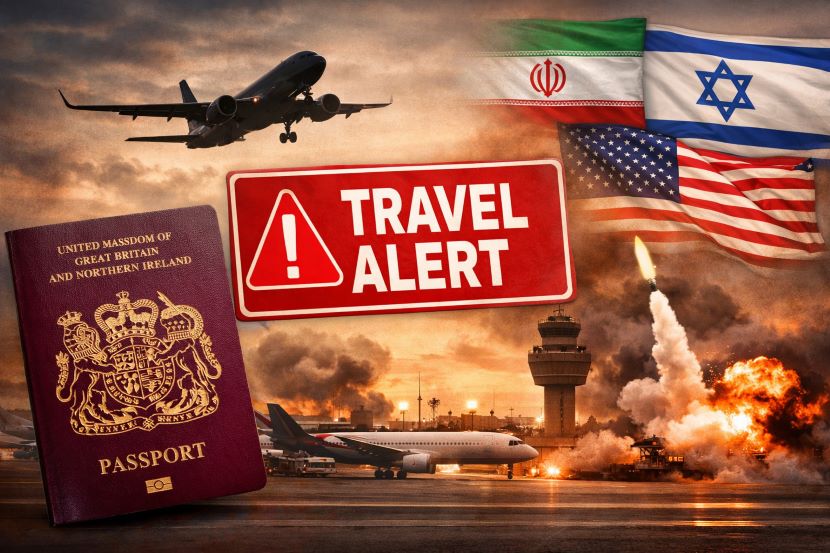
The article reports that Iran has threatened to target tourist sites globally, as the country’s military spokesman, Gen. Abolfazl Shekarchi, warned on state TV. This threat comes as spring break is underway in the United States, highlighting the potential impact on popular tourist destinations worldwide. The statement was made in response to perceived threats against Iran, signaling a heightened state of tension in the travel industry. The article also touches on the broader context of travel trends and insights from thought leaders, emphasizing the need for vigilance and adaptability in the face of geopolitical developments.
Key Points:
Actionable Takeaways:
Monitor Geopolitical Developments: Travel companies and tourism boards should closely monitor geopolitical developments, particularly those involving Iran, to anticipate potential impacts on travel safety and destination appeal. This proactive approach can help in adjusting travel advisories and marketing strategies in real-time.
Enhance Security Measures: Given the heightened threat, travel companies should enhance security measures at popular tourist destinations. This includes investing in advanced security technologies, increasing security personnel, and collaborating with local authorities to ensure the safety of tourists.
Diversify Travel Offerings: To mitigate risks associated with geopolitical tensions, travel companies can diversify their offerings by promoting alternative destinations or travel packages that do not coincide with high-risk periods. This strategy can help maintain customer interest and revenue streams despite external threats.
Contextual Insights:
The threat from Iran to target tourist sites globally is a significant development in the context of current travel trends, which are heavily influenced by safety and security concerns. The article’s timing, coinciding with the start of spring break in the United States, underscores the vulnerability of popular tourist destinations during peak travel seasons. This context highlights the need for travel companies to be agile and responsive to geopolitical changes, leveraging insights from thought leaders to adapt their strategies effectively. The emphasis on security measures and diversification of travel offerings reflects broader industry trends towards risk management and customer-centric approaches in travel planning.
Handling Different Article Types:
The article falls under the category of a news brief, providing factual information about a recent geopolitical threat affecting the travel industry. The structured output format ensures that the summary, key points, and actionable takeaways are presented in a clear and professional manner, suitable for a professional audience. The contextual insights integrate the latest travel trends and expert opinions, offering a forward-looking perspective on how the travel industry can navigate such challenges.
Read the Complete Article.
Get curated travel AI insights — choose the newsletters that matter to you.
This spot is reserved for brands with a compelling story for the travel trade. They use this space to cut...
Read moreDetailsALTOUR Expands into Thailand, Strengthening Corporate Travel Network Across Southeast Asia BANGKOK, THAILAND (25 March, 2026) – ALTOUR, a leading...
Read moreDetails


Comprehensive Summarization: The article reports that Iran has threatened to target tourist sites globally, as the country's military spokesman, Gen....
Read moreDetails