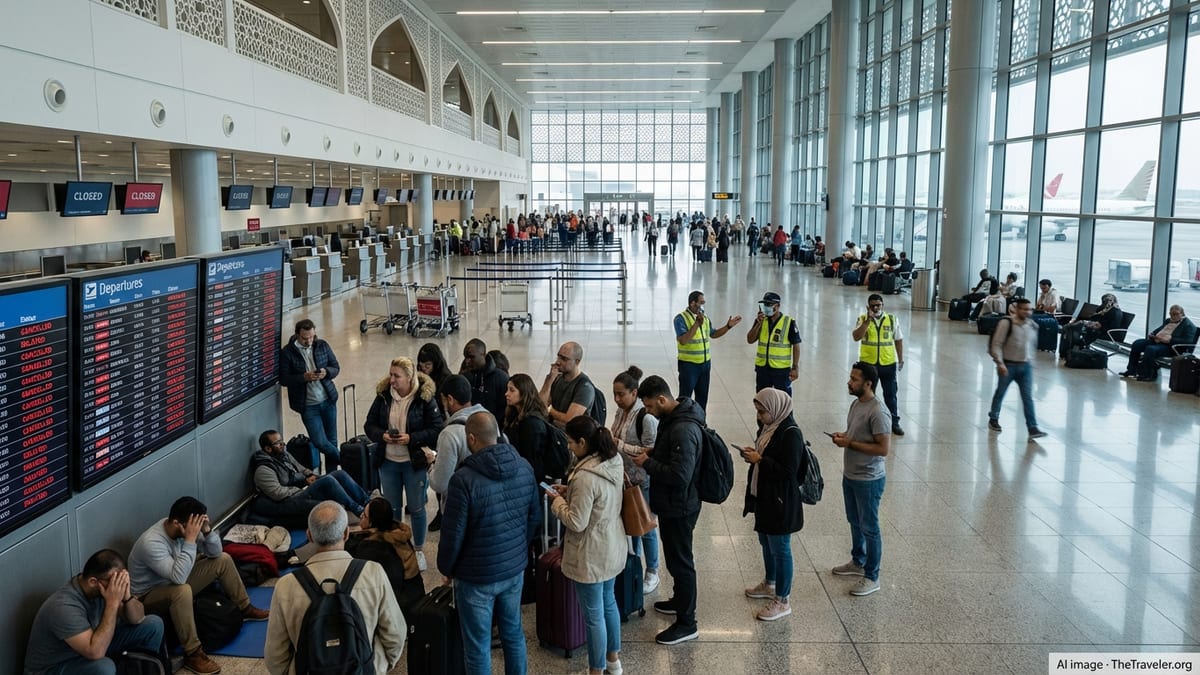
The article highlights the severe pressure Iran’s inbound tourism industry is facing due to political instability, security fears, and a prolonged internet shutdown. These factors have driven foreign visitors away, disrupted communication with overseas partners, and triggered widespread cancellations. The sudden loss of tourism revenue has put the industry on the verge of bankruptcy, impacting not only the tourism sector but also related sectors such as travel tech, startups, and fintech. The situation underscores the vulnerability of the travel industry to geopolitical and technological disruptions.
Key Points:
Iran’s inbound tourism industry is under severe pressure due to political instability, security fears, and a prolonged internet shutdown.
These factors have led to a significant loss of foreign visitors, disrupted communication with overseas partners, and triggered widespread cancellations.
The tourism industry is on the verge of bankruptcy, affecting not only the tourism sector but also related sectors such as travel tech, startups, and fintech.
The sudden loss of tourism revenue highlights the vulnerability of the travel industry to geopolitical and technological disruptions.
Actionable Takeaways:
Diversification of Tourism Markets: Given the vulnerability of Iran’s tourism industry to geopolitical and technological disruptions, there is a need for diversification of tourism markets. This could involve promoting tourism in other regions or developing niche tourism products that are less susceptible to global disruptions.
Relevance and Impact: Diversification can mitigate the risk of revenue loss due to disruptions in a single market, ensuring more stable tourism revenues and supporting the broader economy.
Investment in Resilient Travel Tech: The industry’s reliance on technology for communication and operations underscores the importance of investing in resilient travel tech. This includes developing backup systems for internet connectivity and ensuring robust cybersecurity measures to protect against disruptions.
Relevance and Impact: Enhanced travel tech infrastructure can help mitigate the impact of internet blackouts and other technological disruptions, ensuring smoother operations and maintaining communication with overseas partners.
Enhanced Risk Management Strategies: The article highlights the need for enhanced risk management strategies in the travel industry. This includes proactive measures to monitor geopolitical and technological risks, as well as contingency plans to address potential disruptions.
Relevance and Impact: Proactive risk management can help travel companies anticipate and mitigate the impact of disruptions, ensuring business continuity and protecting revenue streams.
Contextual Understanding:
The article is set against the backdrop of heightened geopolitical tensions and technological vulnerabilities in the travel industry. Recent events, such as security fears and internet shutdowns, have underscored the industry’s reliance on stable external conditions. The integration of travel tech and fintech innovations is crucial for maintaining operational resilience. Thought leaders emphasize the importance of diversification and risk management in navigating these challenges. The current state of the travel industry reflects a growing awareness of the need for adaptive strategies that can withstand both geopolitical and technological disruptions.
Handling Different Article Types:
The article is a news blurb, providing factual information about the current state of Iran’s inbound tourism industry. The analysis focuses on extracting key points and actionable insights relevant to the travel industry, without delving into opinion or feature content. The structured output format ensures clarity and ease of integration into professional materials.