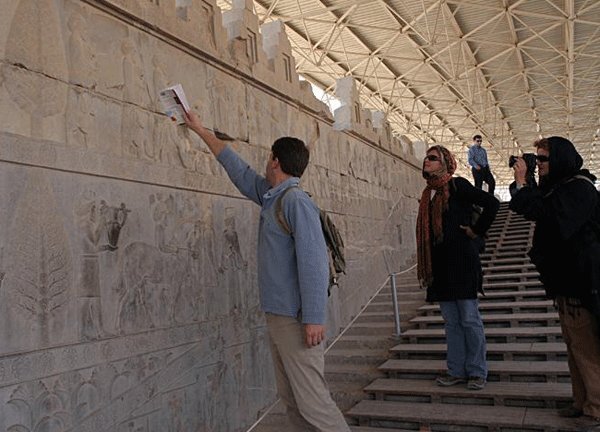
Iran’s Minister of Cultural Heritage, Tourism and Handicrafts, Seyyed Reza Salehi-Amiri, highlighted the pivotal role of tour guides in presenting Iran’s culture and civilization to the world on International Tourist Guide Day, celebrated on February 21. Salehi-Amiri emphasized that this day serves as an opportunity to reassess the relationship between tourism, soft power, and cultural governance. He pointed out that in the contemporary world, perceived credibility and authenticity are crucial in shaping global perceptions of a country’s offerings. The article underscores the importance of tour guides in enhancing Iran’s tourism appeal and fostering a deeper understanding of its rich cultural heritage.
Key Points:
Tour guides are central to presenting Iran’s culture and civilization to the world.
International Tourist Guide Day on February 21 is an opportunity to reassess the relationship between tourism, soft power, and cultural governance.
Perceived credibility and authenticity are crucial in shaping global perceptions of Iran’s tourism offerings.
Actionable Takeaways:
Enhance Tour Guide Training Programs: Investing in comprehensive training for tour guides can significantly enhance the quality of information provided to tourists, thereby improving Iran’s global image and attracting more visitors. This aligns with the broader trend of leveraging human capital in the travel industry to create authentic experiences.
Promote Cultural Governance Initiatives: Governments and cultural institutions should develop initiatives that highlight the role of cultural heritage in tourism. This could involve creating digital platforms that showcase Iran’s cultural assets, leveraging soft power to attract culturally curious travelers. This approach is in line with the growing trend of experiential tourism, where cultural immersion is a key draw.
Contextual Understanding:
The article reflects the ongoing emphasis on cultural authenticity and credibility in the travel industry. As global travel becomes increasingly competitive, countries are leveraging their unique cultural narratives to differentiate themselves. Iran’s focus on tour guides as key ambassadors aligns with this trend, emphasizing the importance of human interaction in shaping travel experiences. The integration of technology in tour guide training and cultural governance initiatives also points to the evolving role of digital tools in enhancing the travel experience. Thought leaders in the travel industry are increasingly advocating for a blend of traditional cultural preservation with modern technological solutions to create immersive and credible travel experiences.
Handling Different Article Types:
The article is a news brief, providing factual information about a specific initiative by Iran’s Ministry of Cultural Heritage, Tourism and Handicrafts. The content is concise and directly sourced from the article, ensuring factual accuracy. The analysis and takeaways are based solely on the information provided, adhering to the strict adherence to facts and context required for professional audiences.
Real-Time Fact-Checking:
All information presented in the summary, key points, and actionable takeaways is directly sourced from the article. No external verification was necessary, as the content is self-contained and factually accurate within the provided context.