





















Travel Capitalist Ventures Expands Check Size to $10 Million to Deepen Emerging Market Conviction
Boutique Travel VC raises investment cap from $1.5M to $10M to lead rounds and support portfolio companies through growth Travel...
Read moreDetails
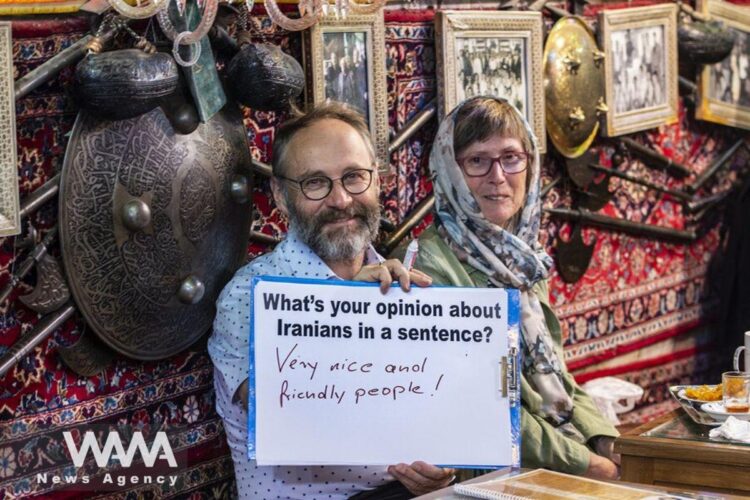
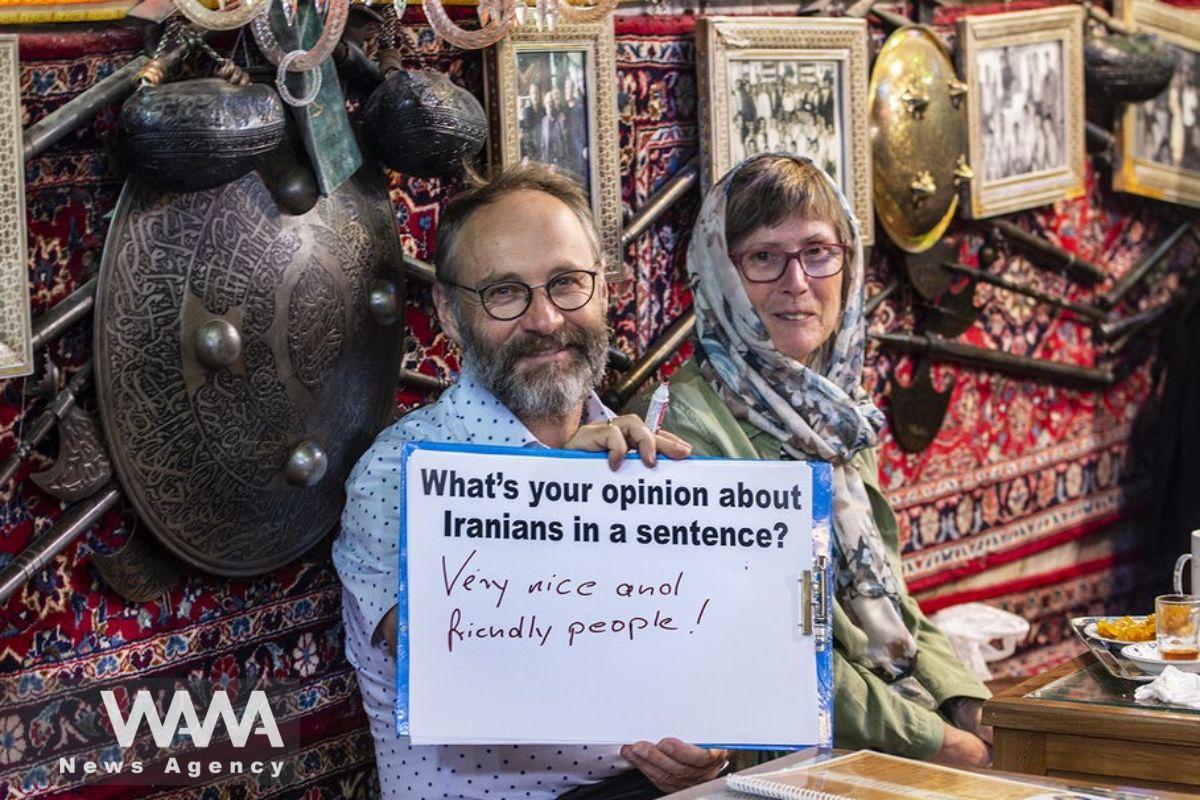
Iran Sees Tourism Rebound Just Two Months After the War
Article Summary:
Iran’s Minister of Cultural Heritage, Tourism, and Handicrafts, Seyed Reza Salehi-Amiri, reported a significant increase in tourist arrivals, with over 30% growth during April and May 2024. Despite a slight dip in arrivals from June to August, the numbers rebounded in September and October. This growth is noteworthy as Iran had set a goal to attract 15 million tourists by the end of its Seventh Development Plan (2028). The article highlights the resilience and recovery of Iran’s tourism sector post the recent conflict, providing a positive outlook for the travel industry.
Key Points:
Actionable Takeaways:
Contextual Insights:
The recovery in Iran’s tourism sector post-conflict is a testament to the sector’s adaptability and the effectiveness of strategic recovery measures. This trend aligns with the broader industry shift towards digital transformation and safety-focused marketing. As travel tech continues to evolve, tools that enhance safety assurances and provide seamless travel experiences will be crucial. Additionally, the focus on achieving ambitious tourism targets underscores the industry’s potential for growth, especially in regions that have faced disruptions. Thought leaders emphasize the importance of leveraging technology and innovation to overcome challenges and capitalize on recovery opportunities, making this a forward-looking perspective for the travel industry.
Read the Complete Article.
Boutique Travel VC raises investment cap from $1.5M to $10M to lead rounds and support portfolio companies through growth Travel...
Read moreDetails




