
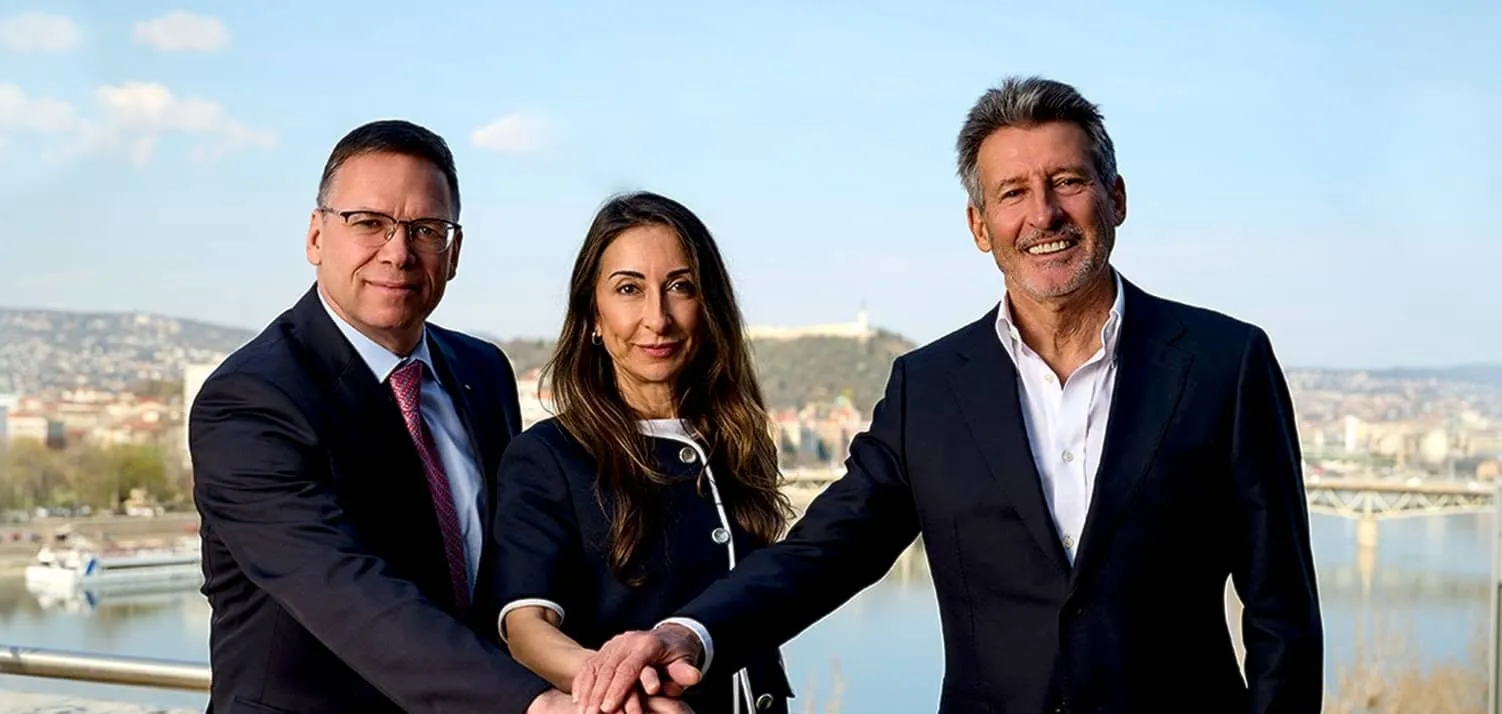





















Travel Capitalist Ventures Expands Check Size to $10 Million to Deepen Emerging Market Conviction
Boutique Travel VC raises investment cap from $1.5M to $10M to lead rounds and support portfolio companies through growth Travel...
Read moreDetails
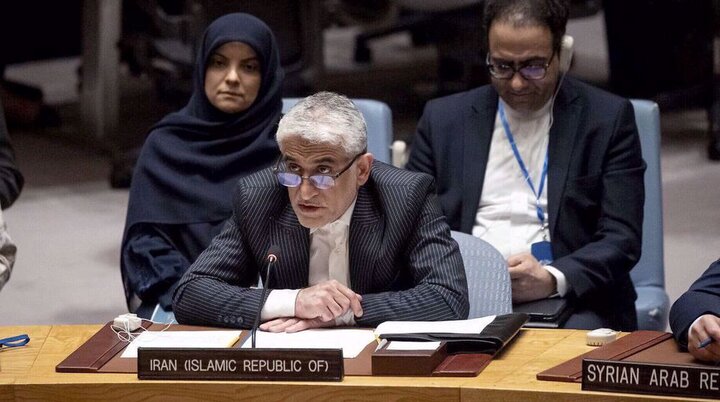
Iran UN envoy rejects US, Israeli allegations :: nournews
Article Summary:
Saeed Iravani, in a letter addressed to UN Secretary General Antonio Guterres and President of the UN Security Council Michael Imran Kanu, strongly rejected allegations that Iran has transferred weapons to non-state actors or engaged in destabilizing activities. Iravani described these claims as part of a "deliberate disinformation campaign." The letter underscores Iran’s stance on international security and non-proliferation issues, emphasizing the importance of accurate information in global diplomacy.
Key Points:
Actionable Takeaways:
Contextual Insights:
The article reflects ongoing geopolitical tensions and the critical role of international organizations like the UN in mediating disputes. In the context of the travel industry, these dynamics can significantly impact travel routes, safety protocols, and market access. For instance, regions with heightened security concerns may see a shift in travel trends, with consumers opting for safer destinations. Additionally, the emphasis on non-proliferation aligns with broader industry trends towards responsible sourcing and ethical business practices. Companies should leverage these insights to adapt their strategies, ensuring they remain competitive and compliant with evolving global standards.
Read the Complete Article.
Boutique Travel VC raises investment cap from $1.5M to $10M to lead rounds and support portfolio companies through growth Travel...
Read moreDetails




