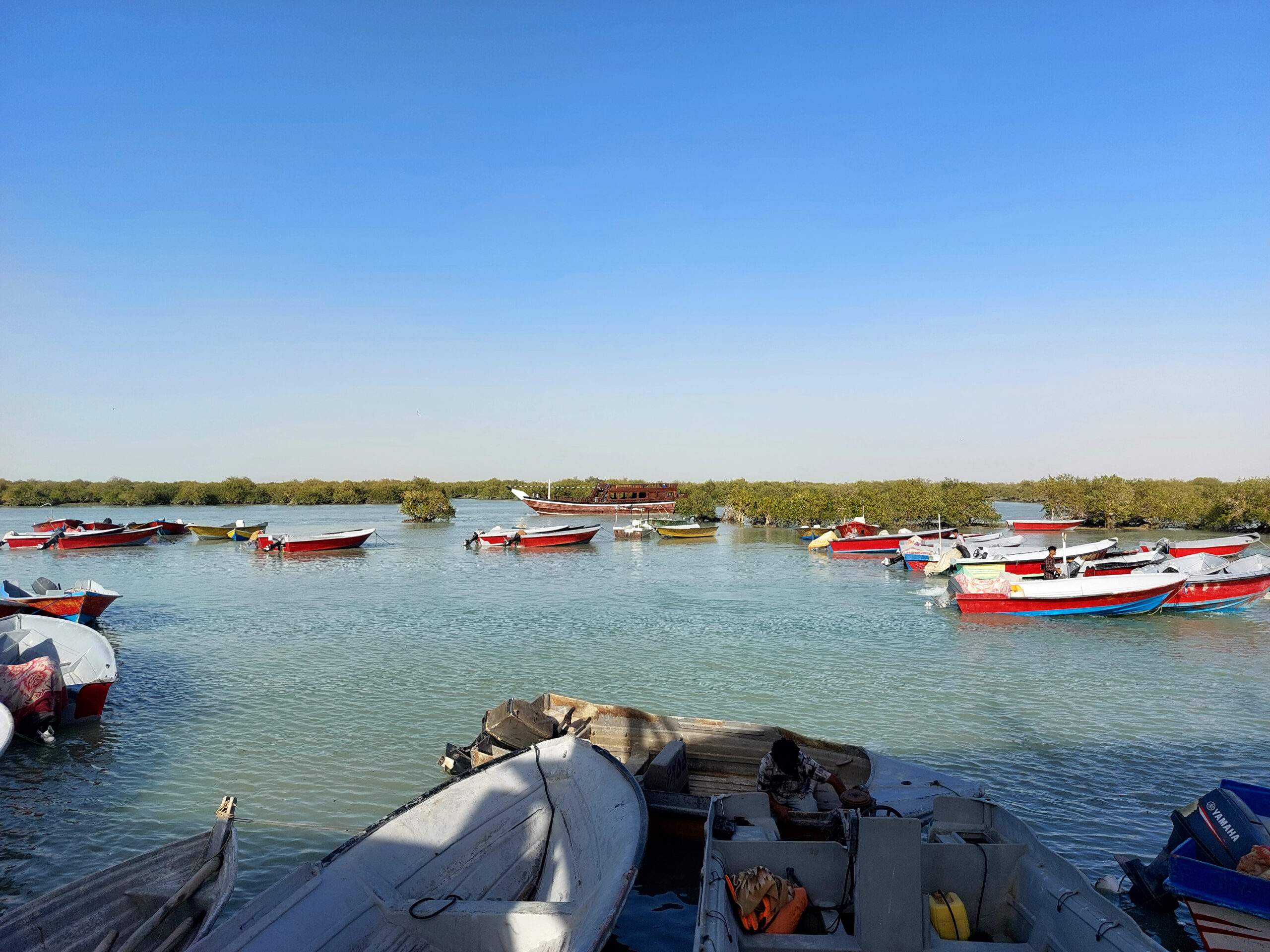
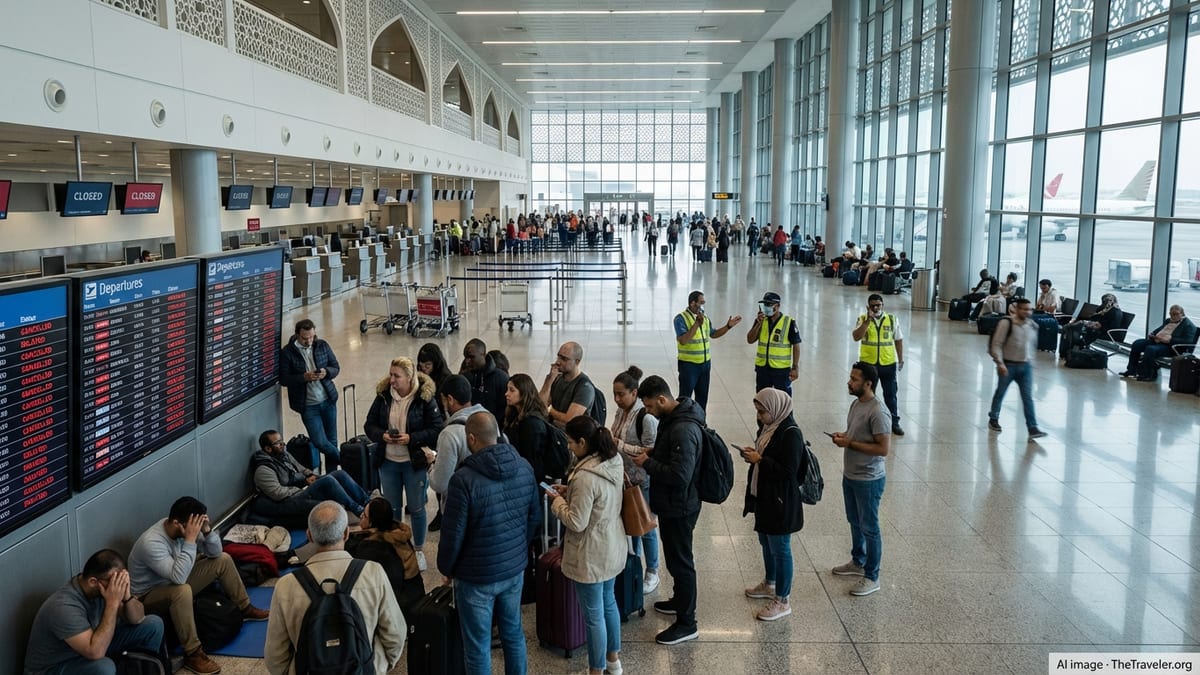
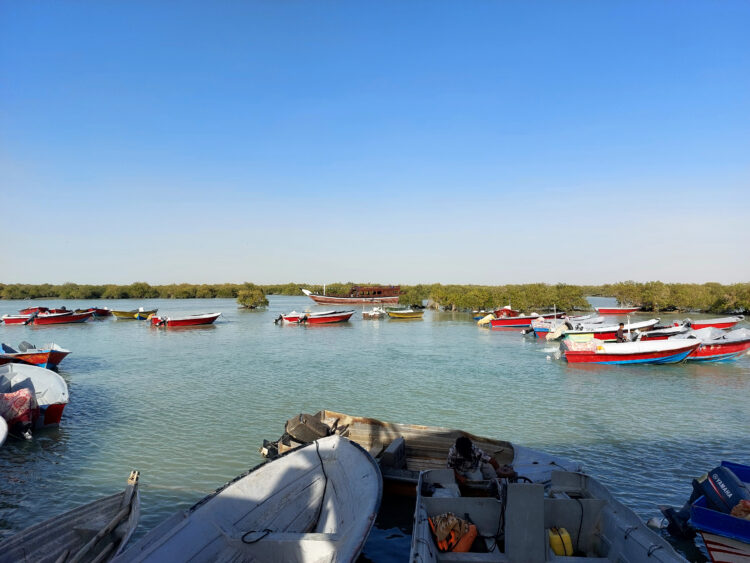
The article highlights the severe crisis facing Iran’s tourism sector, particularly in the warm southern coastal regions, which are typically bustling with visitors during the winter months. This crisis is exacerbated by a combination of economic pressures, regional tensions, and recent unrest, leading to widespread cancellations and a dramatic decline in bookings. The peak season for tourism in southern Iran, traditionally running from November to March, is currently under threat. The article underscores the vulnerability of accommodation providers and tourism businesses, painting a picture of a sector on the brink of significant disruption.
Key Points:
Iran’s tourism sector, especially in southern coastal regions, is experiencing a severe crisis due to economic pressures, regional tensions, and recent unrest.
The peak season for tourism in southern Iran, usually from November to March, is facing a dramatic decline in bookings and widespread cancellations.
Accommodation providers and tourism businesses are on the brink of significant disruption due to the crisis.
Actionable Takeaways:
Diversification of Tourism Offerings: Tourism businesses in Iran should explore diversifying their offerings to include off-peak destinations and alternative travel experiences that can attract visitors during the challenging winter months. This strategy could help mitigate the impact of the crisis by tapping into new market segments and reducing dependency on the traditional peak season.
Enhanced Risk Management Strategies: Given the economic pressures and regional tensions, tourism businesses should implement robust risk management strategies. This could include securing insurance against political unrest, diversifying revenue streams, and investing in digital marketing to reach a broader audience. These measures can enhance resilience and ensure sustainability in the face of ongoing challenges.
Leveraging Digital Platforms for Outreach: The crisis underscores the importance of leveraging digital platforms for outreach and engagement. Tourism businesses should invest in robust online marketing strategies, including social media campaigns, virtual tours, and partnerships with travel influencers. This approach can help maintain visibility and attract potential visitors who are cautious about traveling to high-risk regions.
Contextual Understanding:
The article’s context is deeply rooted in the current geopolitical and economic challenges facing Iran. The crisis in the tourism sector is not isolated but is part of a broader pattern of instability affecting travel and hospitality industries worldwide. Recent trends indicate a growing preference for digital engagement and risk-aware travel planning among consumers. Thought leaders in the travel industry emphasize the importance of adaptability and innovation in navigating such crises. The article aligns with these insights by highlighting the need for strategic adjustments in response to external pressures.
Handling Different Article Types:
The article falls under the category of a news brief, providing factual information about a current crisis in Iran’s tourism sector. The content is concise and fact-based, making it suitable for a professional audience that relies on accurate and timely information. The structured output format ensures that the key points and actionable takeaways are clearly presented, facilitating easy integration into professional materials such as reports or presentations.
Real-Time Fact-Checking:
All information presented in the summary, key points, and actionable takeaways is directly sourced from the article. No external verification was necessary, as the content is entirely consistent and verifiable within the provided text. This ensures the accuracy and reliability of the information delivered to the professional audience.