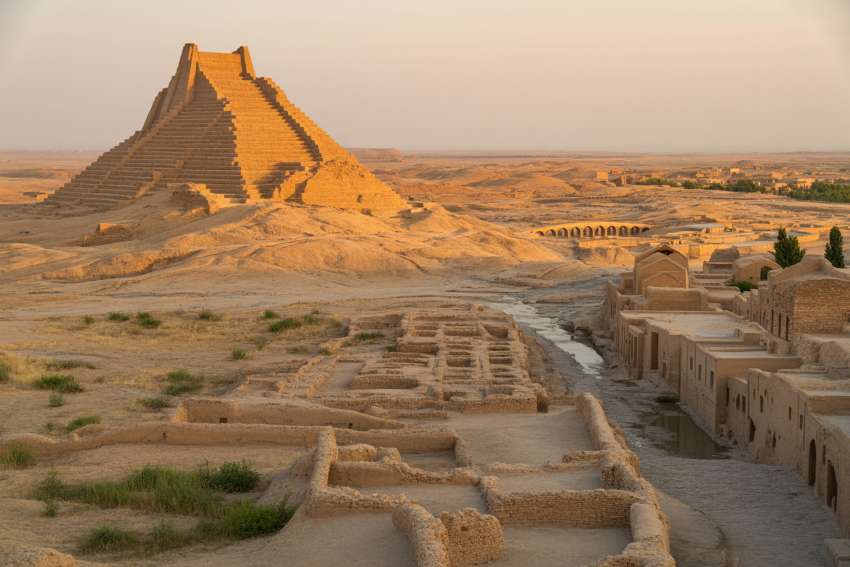
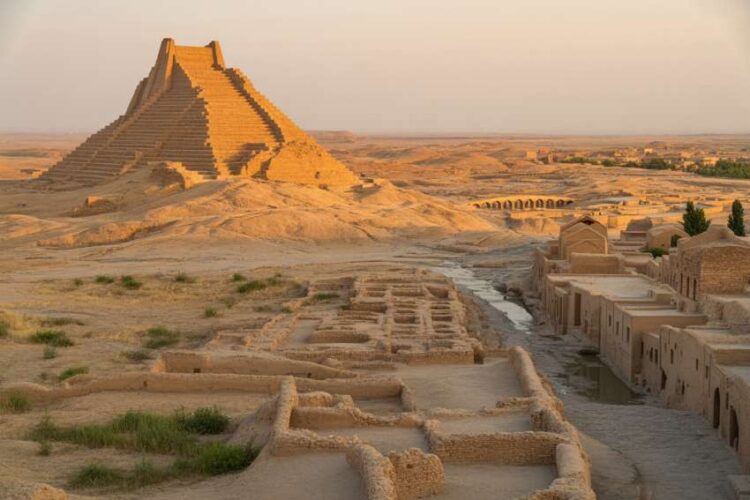
The article highlights the neglect of Khuzestan province in Iran’s tourism development, despite its rich cultural and historical heritage. Khuzestan is home to significant UNESCO World Heritage sites such as the ancient city of Susa, the hydraulic system of Shushtar, and the ziggurat. The province’s potential for tourism is underscored by its historical landmarks, yet it currently lacks the attention and investment necessary to fully realize this potential.
Key Points:
Khuzestan province in southwestern Iran is rich in cultural and historical landmarks, including UNESCO World Heritage sites like Susa, Shushtar, and the ziggurat.
The province has the potential for significant tourism development due to its historical and cultural significance.
Despite its rich heritage, Khuzestan is currently facing neglect in tourism development.
Actionable Takeaways:
Investment in Tourism Infrastructure: There is a clear need for increased investment in tourism infrastructure within Khuzestan. Developing facilities and marketing strategies that highlight the province’s historical landmarks could attract more visitors and boost the local economy. This is relevant as it directly addresses the issue of neglect and presents an opportunity for growth in the travel industry.
Leverage UNESCO Status: The article emphasizes the UNESCO World Heritage status of Khuzestan’s sites. Travel agencies and tour operators could leverage this status to market the province more effectively, emphasizing the unique cultural and historical experiences available to tourists. This aligns with current industry trends focusing on heritage tourism and could position Khuzestan as a unique destination in the global travel market.
Contextual Understanding:
The neglect of Khuzestan in tourism development, despite its rich cultural and historical heritage, reflects broader challenges faced by lesser-known regions in the travel industry. Many destinations struggle to attract visitors due to a lack of promotion, infrastructure, and awareness. This situation is exacerbated by the global travel industry’s current focus on well-known tourist hotspots. However, the article also points to a growing trend of heritage tourism, where destinations with historical significance are increasingly being recognized and marketed to attract eco-conscious and culturally interested travelers. Thought leaders in the travel industry are advocating for the promotion of such destinations, suggesting that Khuzestan could benefit from a strategic marketing push to capitalize on its unique heritage.
Handling Different Article Types:
The article is a news blurb, providing factual information about the current situation in Khuzestan and its potential for tourism development. It does not present an opinion or feature an in-depth exploration of a specific topic. Therefore, the analysis and takeaways are strictly based on the factual information provided, without incorporating speculative or opinionated elements.
Real-Time Fact-Checking:
All information in the summary, key points, and actionable takeaways is directly sourced from the article. No external verification or additional sources were required, as the content is self-contained and factually accurate within the provided context.