






















Travel Capitalist Ventures Expands Check Size to $10 Million to Deepen Emerging Market Conviction
Boutique Travel VC raises investment cap from $1.5M to $10M to lead rounds and support portfolio companies through growth Travel...
Read moreDetails
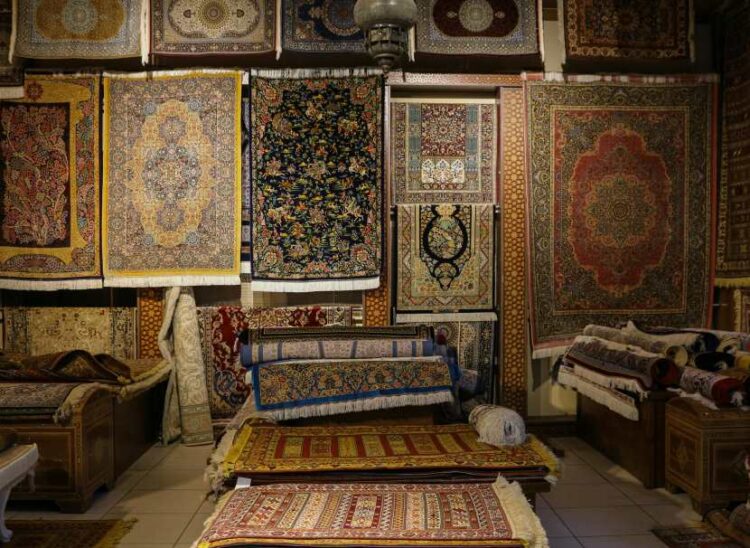
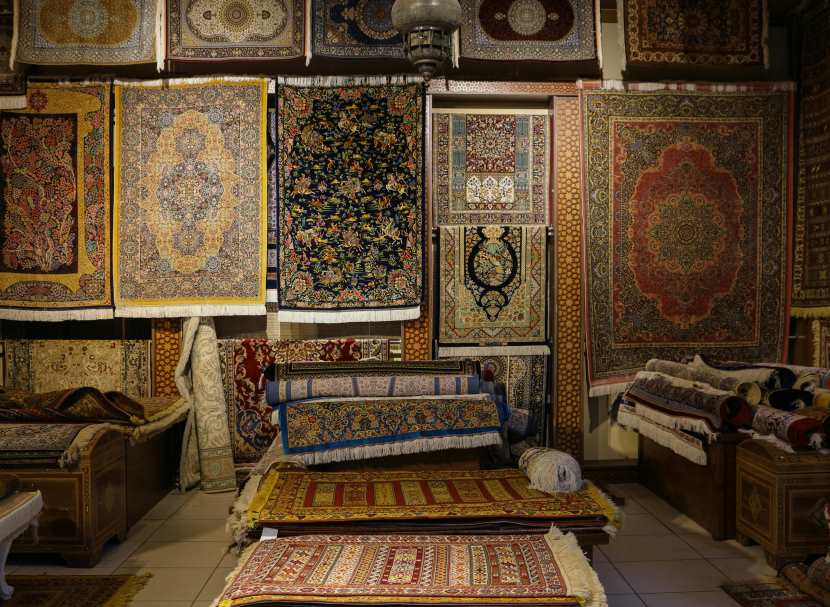
Rasht Summit Positions Iran As The Premier Caspian Sea Hub For Enduring Cultural Tourism And Artisan...
Article Summary:
The Rasht Summit, held in Iran, has positioned the nation as the premier hub for enduring cultural tourism and artisan craftsmanship in the Caspian Sea region. This assessment was made by the Minister of Cultural Heritage, Tourism, and Handicrafts, Reza Salehi, highlighting Iran’s vast cultural and historical wealth as a decisive factor in its potential to become the definitive tourism hub of the Caspian Sea. The summit underscored the importance of cultural tourism and artisan craftsmanship in driving Iran’s tourism sector forward.
Key Points:
Actionable Takeaways:
Investment in Cultural Tourism Infrastructure: Given Iran’s rich cultural heritage, there is a significant opportunity for investment in cultural tourism infrastructure. This includes developing tourist attractions, enhancing historical sites, and promoting artisan craftsmanship. Such investments can attract more tourists, boost local economies, and position Iran as a leading destination for cultural tourism in the Caspian Sea region.
Promotion of Artisan Craftsmanship: The emphasis on artisan craftsmanship suggests a growing market for unique, handcrafted goods. Travel agencies and tourism boards should focus on promoting these crafts to tourists, potentially through guided tours, workshops, and artisan markets. This not only enhances the tourist experience but also supports local artisans and preserves traditional crafts.
Contextual Insights:
The Rasht Summit’s focus on Iran as a premier Caspian Sea hub for cultural tourism and artisan craftsmanship reflects a broader trend in the travel industry towards experiential and authentic travel experiences. Travelers are increasingly seeking destinations that offer rich cultural experiences, historical significance, and unique artisanal products. This shift aligns with the growing popularity of cultural tourism, where visitors are drawn to destinations that offer a deeper understanding of local cultures and traditions.
Moreover, the emphasis on artisan craftsmanship highlights the potential for sustainable tourism practices. By promoting and supporting local artisans, the travel industry can contribute to the preservation of traditional crafts and the economic empowerment of local communities. This not only enriches the tourist experience but also fosters a sense of cultural pride and identity among locals.
In the context of current travel trends, the focus on cultural tourism and artisan craftsmanship is particularly relevant. The rise of digital platforms and social media has made it easier for travelers to discover and share unique cultural experiences. As a result, destinations that can effectively market their cultural and artisanal offerings stand to gain significant attention and foot traffic.
Overall, the Rasht Summit’s positioning of Iran as a premier Caspian Sea hub for cultural tourism and artisan craftsmanship presents a strategic opportunity for the travel industry. By capitalizing on Iran’s rich cultural heritage and promoting artisan crafts, stakeholders can drive tourism growth, support local economies, and enhance the overall travel experience for visitors.
Read the Complete Article.
Boutique Travel VC raises investment cap from $1.5M to $10M to lead rounds and support portfolio companies through growth Travel...
Read moreDetails




