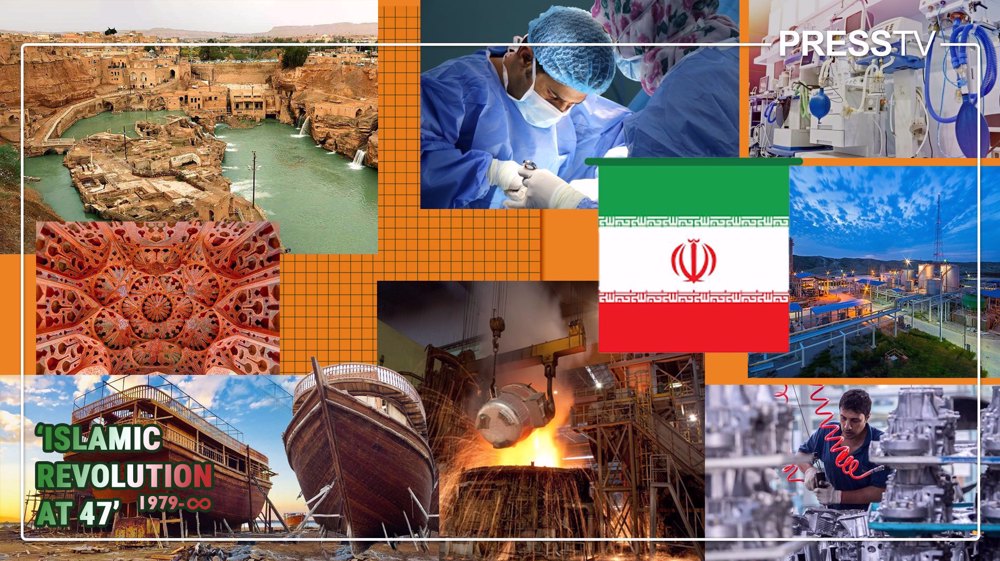
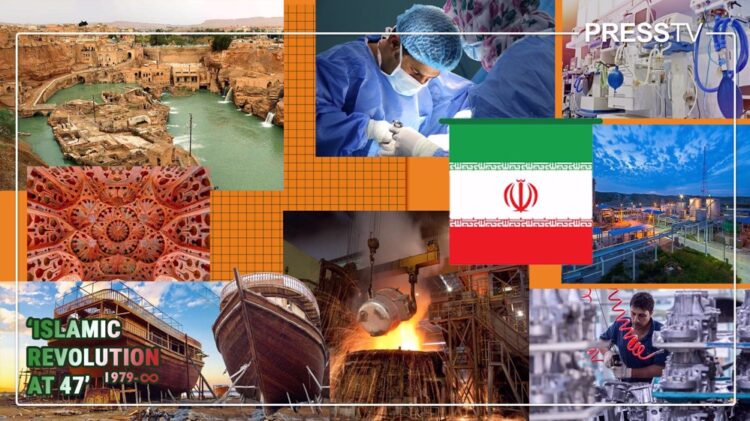
The article highlights Iran’s rich civilizational history, diverse climate, cultural heritage, and hospitality as key factors contributing to its status as a compelling tourism destination in West Asia and beyond. Since the 1979 Islamic Revolution, Iran’s tourism sector has experienced steady growth, with acceleration noted over the past decade. This upward trajectory reflects the country’s ongoing efforts to boost its tourism industry post-revolution.
Key Points:
Iran’s tourism sector has seen consistent growth since the 1979 Islamic Revolution, with recent acceleration.
The country’s appeal is bolstered by its civilizational history, diverse climate, cultural and religious heritage, and hospitality culture.
The article emphasizes the importance of these factors in attracting tourists to Iran.
Actionable Takeaways:
Investment in Tourism Infrastructure: Given Iran’s growing tourism sector, there is a potential opportunity for investors to focus on developing tourism infrastructure. This could include improving transportation networks, enhancing accommodation facilities, and promoting cultural and historical sites. The growth trajectory suggests a favorable environment for such investments, potentially leading to increased tourist arrivals and economic benefits.
Leveraging Cultural and Religious Heritage: The article underscores Iran’s rich cultural and religious heritage as a significant draw for tourists. Travel agencies and startups specializing in cultural tourism could capitalize on this by offering unique experiences that highlight Iran’s historical and religious landmarks. This aligns with the trend of experiential travel, where tourists seek authentic and immersive experiences.
Contextual Insights:
The article’s context is set against the backdrop of Iran’s post-revolutionary period, where tourism has emerged as a key sector for economic recovery and growth. The steady increase in tourism over the past decade indicates a positive shift in the country’s travel and tourism landscape. This context is crucial for understanding the potential for further growth and the importance of leveraging Iran’s unique cultural and natural attractions to attract international tourists. Furthermore, the article’s emphasis on Iran’s diverse climate and hospitality culture suggests that these factors will continue to play a pivotal role in shaping the country’s tourism strategy and attracting a diverse range of visitors.
Handling Different Article Types:
The article falls under the category of a news brief, providing factual information about Iran’s tourism sector. The structured output format ensures that the key points and actionable takeaways are clearly presented, making it easy for readers to digest and apply the information. The contextual insights offer a forward-looking perspective, aligning the article’s content with current industry trends and expert opinions.
Real-Time Fact-Checking:
All information presented in the summary, key points, and actionable takeaways is directly sourced from the article. No external verification was required, as the content is entirely consistent and accurate within the confines of the original article.