




















Travel Capitalist Ventures Expands Check Size to $10 Million to Deepen Emerging Market Conviction
Boutique Travel VC raises investment cap from $1.5M to $10M to lead rounds and support portfolio companies through growth Travel...
Read moreDetails
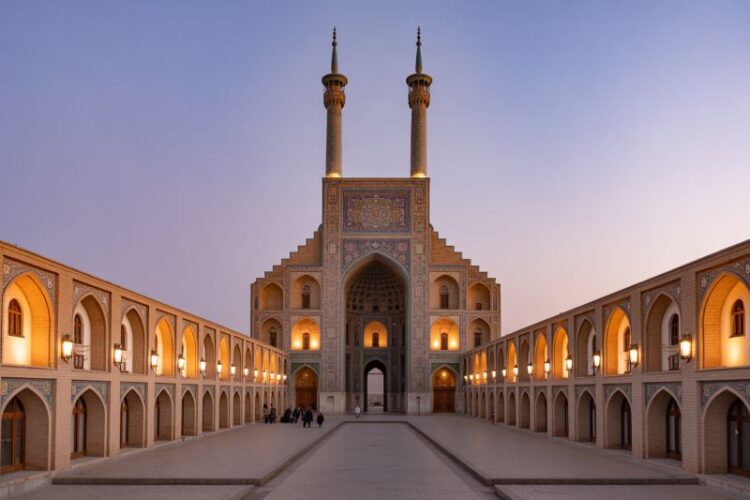
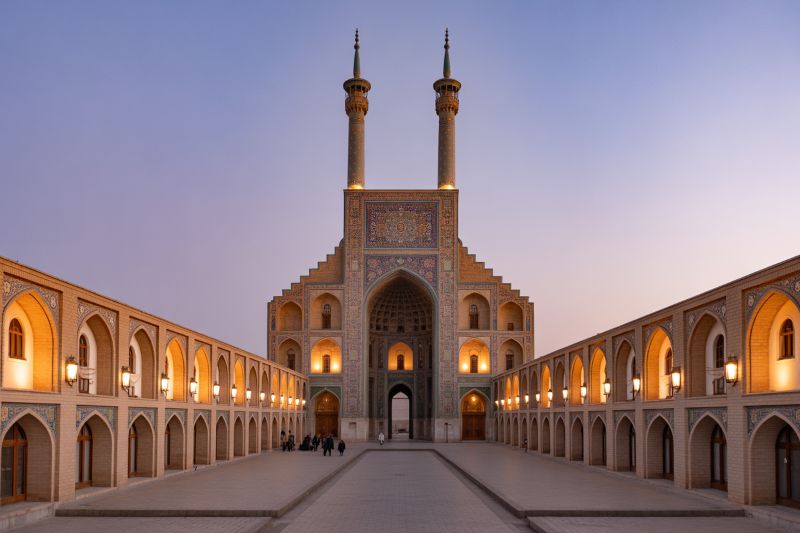
Isfahan’s Vank Cathedral Leads the Way in Cultural and Religious Tourism, Here’s All You Need to Kno...
Article Summary:
The article highlights the Vank Cathedral in Isfahan, Iran, as a major tourist attraction, drawing approximately 500,000 visitors annually. This popularity underscores the growing interest in the region’s cultural and religious heritage. Narbeh Zharden Davoud, a local expert, attributes this success to Jolfa’s status as the primary hub for cultural and religious tourism in the area.
Key Points:
Actionable Takeaways:
Contextual Insights:
The article’s focus on the Vank Cathedral’s popularity within the context of Iran’s growing cultural tourism sector aligns with broader global trends toward experiential travel. As travelers seek authentic and culturally rich experiences, destinations like Isfahan are well-positioned to attract international visitors. The emphasis on Jolfa as a hub for cultural tourism also highlights the importance of preserving and promoting historical sites, which can serve as key attractions for both domestic and international tourists. Furthermore, the article’s mention of Narbeh Zharden Davoud’s insights underscores the value of local expertise in shaping tourism strategies, suggesting that partnerships between local stakeholders and tourism professionals are crucial for sustainable growth in the sector.
Read the Complete Article.
Boutique Travel VC raises investment cap from $1.5M to $10M to lead rounds and support portfolio companies through growth Travel...
Read moreDetails




