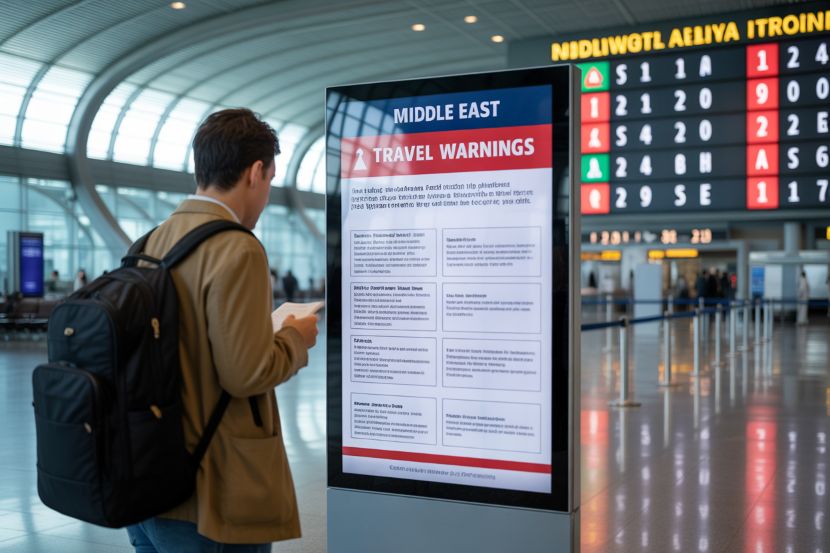
The article from Travel and Tour World, published on February 28, 2026, highlights a critical development in the travel industry due to escalating tensions between the United States and Iran. European countries, including Italy, have issued urgent travel warnings advising citizens to leave Iran. This move reflects heightened travel risks across the Middle East, impacting tourism and prompting a reevaluation of travel advisories. The article underscores the importance of staying informed about regional travel risks and their implications for tourism, particularly in a context where geopolitical tensions can rapidly alter travel dynamics.
Key Points:
European countries, notably Italy, have issued urgent travel warnings advising citizens to leave Iran due to rising tensions.
The escalating tensions between the United States and Iran are a primary driver behind these travel advisories.
The article emphasizes the broader impact of geopolitical tensions on travel and tourism across the Middle East.
Heightened travel warnings across the region signal a shift in travel risk assessments for European tourists.
Actionable Takeaways:
Reevaluate Travel Plans: Travelers, especially those from Europe, should review their travel plans to Iran in light of the recent travel warnings. This is crucial for avoiding potential risks and ensuring personal safety.
Monitor Geopolitical Developments: Stay informed about geopolitical developments in the Middle East, as they can rapidly affect travel advisories and tourism safety. This proactive approach helps in making timely and informed decisions regarding travel.
Consult Official Travel Advisories: Regularly consult official travel advisories and updates from embassies and consulates. These sources provide the most current and detailed information on safety and security conditions in various regions.
Contextual Insights:
The article’s context is deeply rooted in the current geopolitical climate, where tensions between major powers can significantly influence travel safety and tourism. The issuance of travel warnings by European countries like Italy is a direct response to these tensions, reflecting a broader trend where geopolitical events directly impact travel decisions. This situation highlights the need for travel advisories to be dynamic and responsive to real-time geopolitical developments. Furthermore, the article underscores the importance of integrating travel tech solutions that can provide real-time updates and alerts to travelers, thereby enhancing safety and decision-making processes. The rise in travel warnings also signals a potential shift in travel patterns, with tourists potentially opting for safer destinations or regions with more stable geopolitical environments. This trend could have implications for travel startups and fintech innovations, particularly in developing secure and efficient travel payment systems and risk management tools tailored for high-risk travel scenarios.