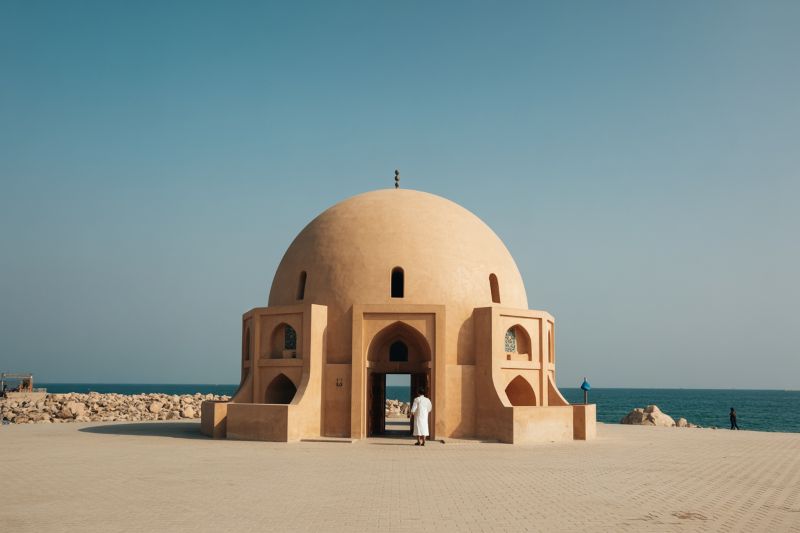
























Travel Capitalist Ventures Expands Check Size to $10 Million to Deepen Emerging Market Conviction
Boutique Travel VC raises investment cap from $1.5M to $10M to lead rounds and support portfolio companies through growth Travel...
Read moreDetails
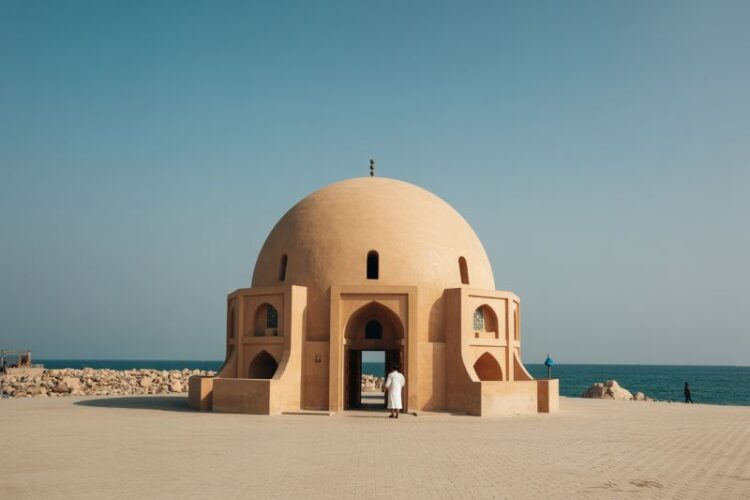
Kish Island Leverages Handicrafts to Boost Experience-Based Tourism in Iran, Here’s All You Need to ...
Article Summary:
Kish Island, located in Iran’s southern Hormozgan province, is leveraging its rich history and traditions of handicrafts to boost experience-based tourism. This strategic move aims to capitalize on the island’s unique cultural offerings, positioning it as a meaningful center for tourism in the region. The article highlights the potential for growth in tourism and the broader economy through the integration of handicrafts, reflecting a broader trend of experience-based tourism gaining traction in the travel industry.
Key Points:
Cultural Integration for Tourism Growth: Kish Island is utilizing its handicrafts to attract experience-based tourism, aiming to leverage its vivid history and traditions to enhance its appeal to tourists.
Tourism Center Status: The island has emerged as a significant center for tourism, indicating a shift in its economic and cultural focus towards tourism-driven growth.
Actionable Takeaways:
Leverage Cultural Heritage for Tourism: Travel businesses and policymakers should explore how cultural heritage, such as handicrafts, can be integrated into tourism offerings to attract a broader range of visitors. This approach can enhance the appeal of destinations and drive sustainable tourism growth.
Focus on Experience-Based Tourism: There is a clear trend towards experience-based tourism, where destinations leverage unique cultural and historical elements to offer immersive experiences. Travel companies should consider developing itineraries that highlight such offerings to meet the evolving preferences of modern travelers.
Contextual Insights:
The integration of handicrafts into tourism aligns with the current travel industry trend towards experiential travel, where tourists seek authentic and immersive experiences. This shift is driven by a growing demand for unique, culturally rich travel experiences that go beyond traditional sightseeing. The article reflects the broader industry movement towards sustainability and authenticity, as travelers increasingly prioritize destinations that offer genuine cultural engagement.
Moreover, the rise of Kish Island as a tourism hub underscores the potential for smaller, culturally rich destinations to compete on a global scale. By focusing on niche offerings like handicrafts, such islands can carve out a distinct market segment, attracting tourists looking for off-the-beaten-path experiences. This strategy not only enhances the destination’s appeal but also supports local economies by fostering entrepreneurship in the handicraft sector.
In conclusion, Kish Island’s strategic focus on handicrafts as a tourism asset exemplifies a broader industry trend towards leveraging cultural heritage to drive tourism growth. For travel professionals and policymakers, this presents an opportunity to innovate and diversify offerings, ensuring destinations remain competitive in an increasingly crowded market.
Read the Complete Article.
Boutique Travel VC raises investment cap from $1.5M to $10M to lead rounds and support portfolio companies through growth Travel...
Read moreDetails




