

















Travel Capitalist Ventures Expands Check Size to $10 Million to Deepen Emerging Market Conviction
Boutique Travel VC raises investment cap from $1.5M to $10M to lead rounds and support portfolio companies through growth Travel...
Read moreDetails
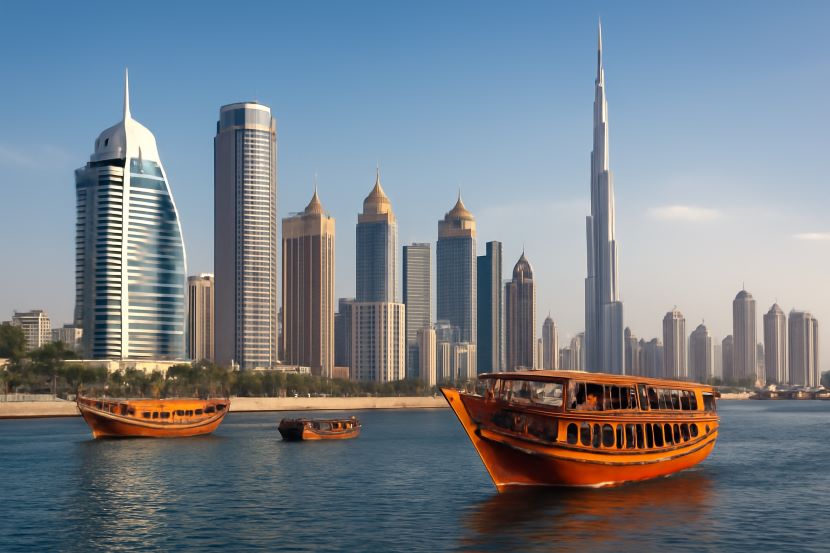
Middle East Destinations Prepare for Impact as U.S. Sanctions Campaign Targets Iran, Offering New To...
Middle Eastern Tourism Sees Potential Shift as U.S. Sanctions Target Iran
New U.S. sanctions targeting Iran are poised to create shifts in the Middle Eastern tourism landscape, potentially offering new opportunities for destinations like the UAE, Israel, Turkey, and Lebanon. The sanctions are expected to impact travel to and from Iran, which could lead to a redirection of tourist flows to neighboring and regional countries.
The article suggests that as international travelers and businesses reconsider travel to Iran due to the sanctions, alternative destinations within the Middle East may see an increase in interest. Countries with established tourism infrastructure and diverse attractions are likely to benefit from this potential change in travel patterns.
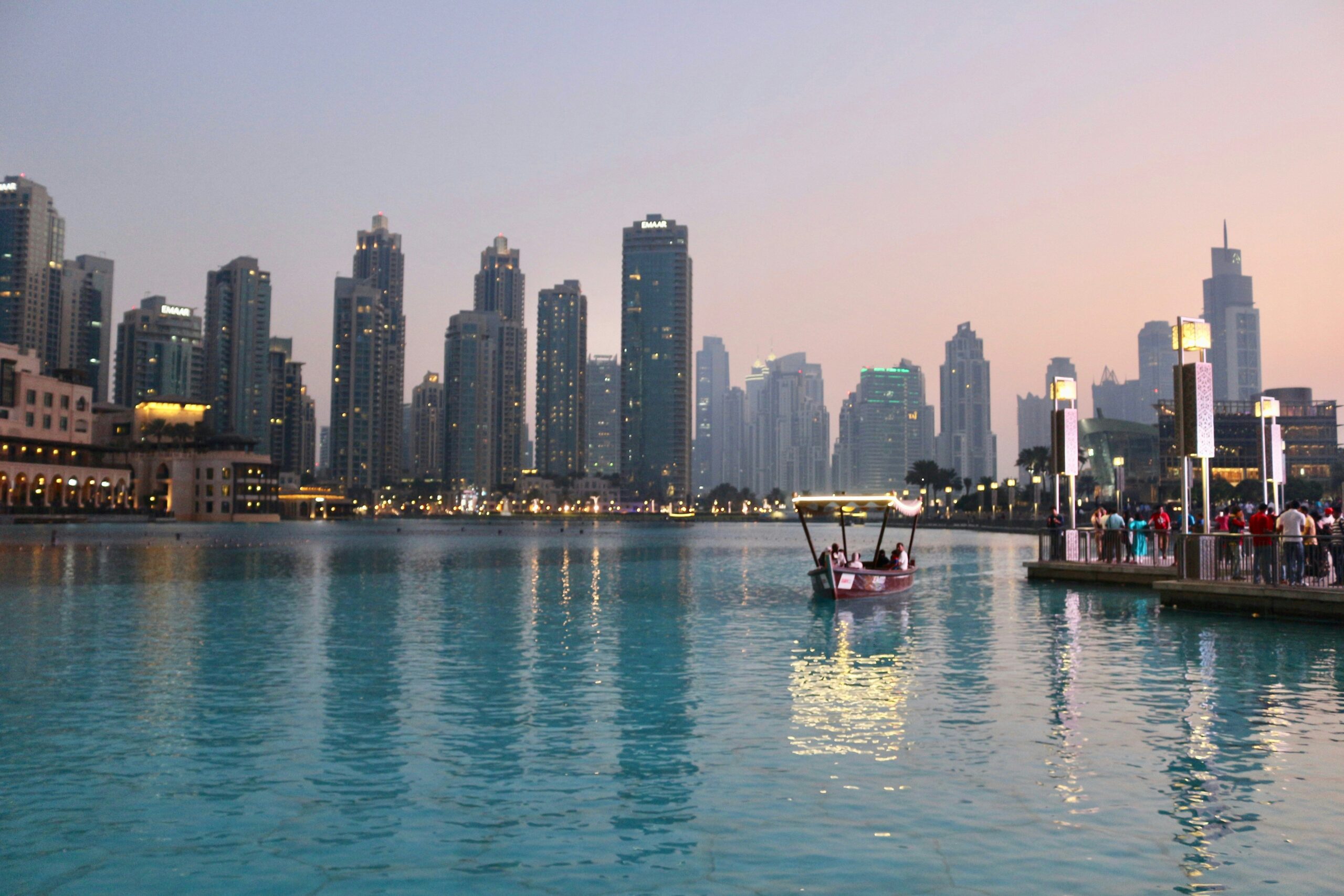
The United Arab Emirates (UAE), with its strong global connectivity and established luxury tourism sector, is positioned to absorb a portion of any redirected travel. Similarly, Israel, a popular destination for religious and historical tourism, could also experience increased visitor numbers.
Turkey, a long-standing bridge between East and West with a broad appeal across various tourist segments, is also identified as a potential beneficiary. Lebanon, known for its vibrant culture and historical sites, may also see renewed interest from international travelers seeking diverse experiences in the region.
The U.S. sanctions campaign against Iran, while primarily an economic and political measure, carries significant implications for regional tourism. Destinations that can effectively market themselves as viable and attractive alternatives are likely to capitalize on this evolving geopolitical situation. This presents a complex scenario where economic and political factors directly influence travel trends and destination choices in the Middle East.
Key Points
Read the Complete Article.
Boutique Travel VC raises investment cap from $1.5M to $10M to lead rounds and support portfolio companies through growth Travel...
Read moreDetails




