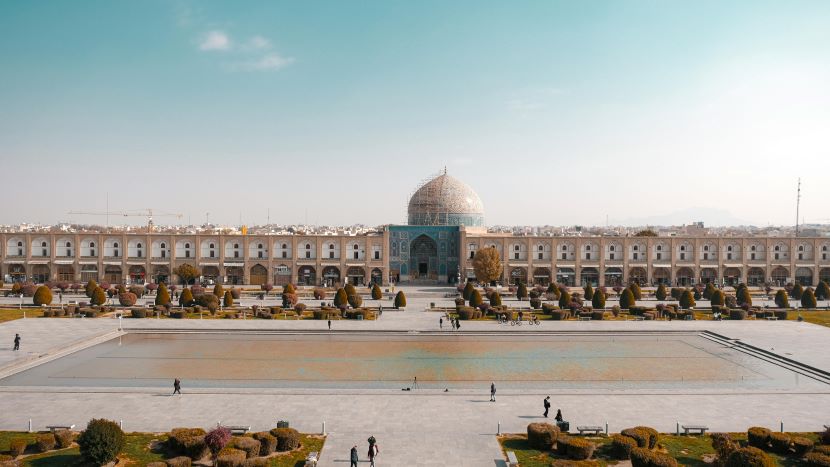
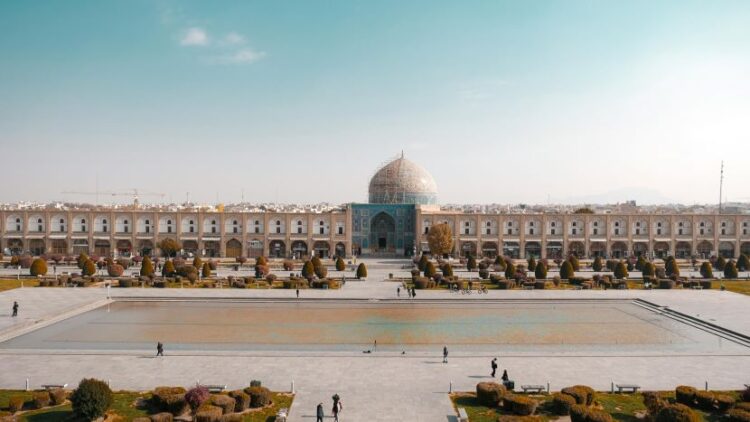
The article discusses a strategic framework being implemented in Qom, Iran, to reshape its historical landscape through a commitment to cultural heritage tourism development. This initiative aims to preserve the region’s rich cultural tapestry while leveraging it as a primary driver for economic and social growth. The strategic framework underscores the importance of sustainable tourism practices in fostering long-term benefits for both the local community and the broader economy. The article highlights the region’s potential to become a significant player in the cultural heritage tourism sector, emphasizing the need for innovative approaches to tourism management and development.
Key Points:
Qom, Iran, is undergoing a strategic transformation focused on cultural heritage tourism development.
The initiative aims to preserve the region’s cultural heritage while using it as a catalyst for economic and social growth.
A dedicated framework has been established to guide the sustainable development of cultural heritage sites in Qom.
The transformation seeks to create a new era for pilgrimage and heritage sites in the Qom province, positioning it as a key destination in the cultural tourism landscape.
Actionable Takeaways:
Invest in Sustainable Tourism Infrastructure: Develop and invest in sustainable tourism infrastructure in Qom to support the growth of cultural heritage tourism. This includes eco-friendly accommodations, transportation, and waste management systems that minimize environmental impact while enhancing visitor experiences.
Leverage Technology for Enhanced Visitor Experiences: Implement advanced tourism technologies, such as augmented reality (AR) and virtual reality (VR), to provide immersive experiences for visitors. This can include AR-guided tours of historical sites, VR experiences of heritage preservation processes, and interactive maps that highlight cultural landmarks and their significance.
Foster Collaboration Between Local Communities and Tourism Stakeholders: Encourage partnerships between local communities and tourism stakeholders to ensure that tourism development benefits the local population. This can involve training programs for local residents in hospitality and tourism management, as well as initiatives that promote cultural exchange and understanding.
Contextual Insights:
The article reflects current industry trends towards sustainable and culturally immersive tourism, where destinations prioritize the preservation of their heritage while offering unique experiences to visitors. This aligns with the growing demand for responsible travel, where tourists seek authentic and meaningful experiences that contribute positively to the destinations they visit. The strategic framework in Qom is a testament to the industry’s shift towards integrating sustainability and cultural preservation into tourism development plans. As the travel industry continues to evolve, such initiatives are likely to become more prevalent, with a focus on creating long-term value for both destinations and travelers. The integration of technology in tourism, as suggested in the takeaways, underscores the importance of innovation in enhancing visitor experiences and ensuring the long-term viability of cultural heritage sites.