







No products in the cart.
- Latest
- Trending

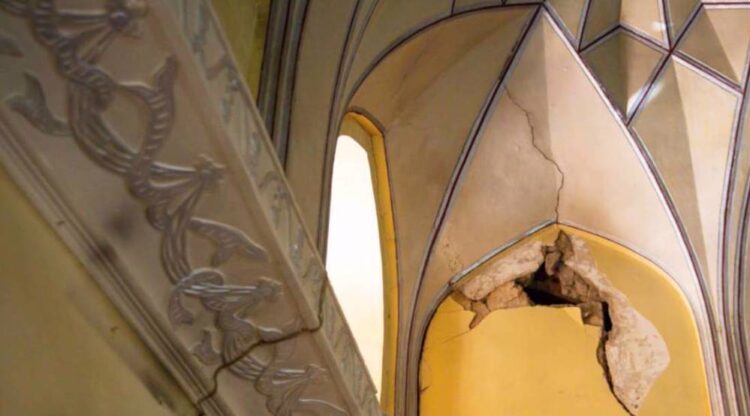
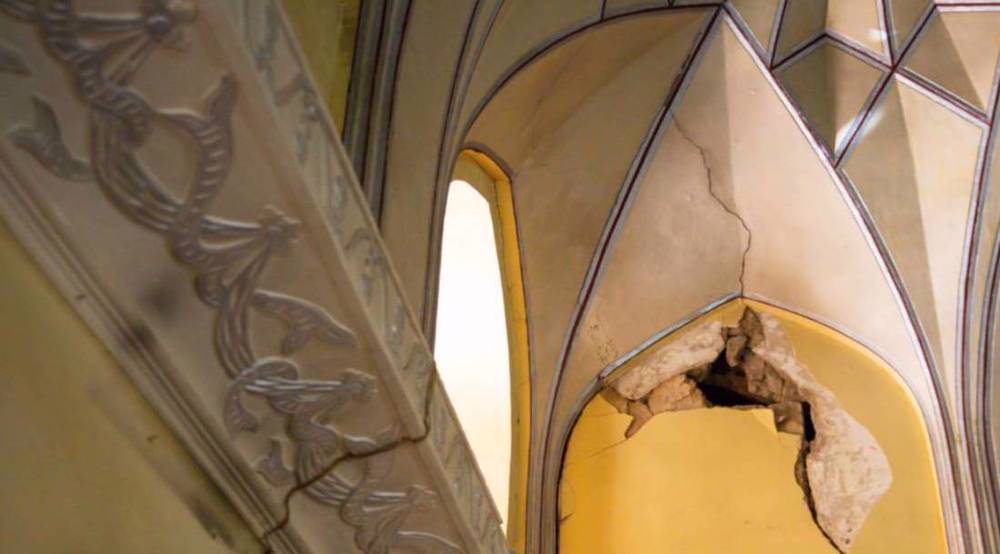
Iran says 131 historical monuments have been damaged by the US-Israeli aggression. (Photo via social media)
Comprehensive Summarization:
The article reports that Iran’s Ministry of Cultural Heritage, Tourism and Handicrafts has stated that 131 historical monuments and 64 tourism facilities, including world heritage sites, have been damaged by the US-Israeli aggression. This comes in a report published on Monday, highlighting the ongoing attacks on Iran’s historical and cultural heritage, which the ministry deems a flagrant violation. The focus of the article is on the damage to cultural and historical monuments, emphasizing the severity of the situation and its implications for Iran’s tourism industry.
Key Points:
Actionable Takeaways:
Impact on Tourism Industry: The damage to historical monuments and tourism facilities poses a significant threat to Iran’s tourism sector. This could lead to a decline in tourist arrivals, affecting local economies reliant on tourism. Travel agencies and hospitality businesses in Iran should reassess their strategies to mitigate potential losses and explore alternative marketing approaches to attract visitors.
Cultural Heritage Preservation: The article highlights the importance of preserving cultural heritage in the face of aggression. This underscores the need for international cooperation and diplomatic efforts to protect cultural sites. Travel tech companies could play a role by developing platforms that promote cultural heritage tourism, ensuring that such sites remain on the global travel radar despite adversarial circumstances.
Contextual Insights:
The article reflects the current geopolitical tensions between Iran, the US, and Israel, which have direct implications for Iran’s cultural and tourism sectors. The ongoing attacks on historical and cultural heritage sites are not only a loss for Iran but also a setback for global cultural heritage preservation efforts. In the context of the travel industry, this situation highlights the vulnerability of cultural tourism to geopolitical conflicts. Travel startups and fintech innovators could focus on creating secure payment solutions for tourists visiting Iran, ensuring safe transactions amidst heightened security concerns. Additionally, thought leaders in the travel industry might advocate for increased awareness and promotion of Iran’s cultural heritage to counteract the negative publicity and attract culturally curious travelers.
Handling Different Article Types:
The article is a news brief, providing factual information about the damage to cultural and historical monuments in Iran due to US-Israeli aggression. The summary, key points, and actionable takeaways are structured to convey this factual content clearly and concisely. The contextual insights draw on current travel trends and expert opinions to provide forward-looking perspectives on how the situation might impact the travel industry, particularly in terms of tourism promotion and technological solutions for security and transactions.
Read the Complete Article.
Get curated travel AI insights — choose the newsletters that matter to you.
ALTOUR Expands into Thailand, Strengthening Corporate Travel Network Across Southeast Asia BANGKOK, THAILAND (25 March, 2026) – ALTOUR, a leading...
Read moreDetails


Comprehensive Summarization: The article reports that Iran’s Ministry of Cultural Heritage, Tourism and Handicrafts has stated that 131 historical monuments...
Read moreDetails