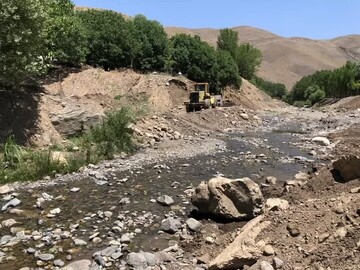
Article Summary:
The article reports that Iran has officially added sightseeing tours along sections of the ancient spice route to its tourism calendar. This development is part of Iran’s ongoing efforts to enhance its tourism offerings and attract more visitors to explore its historical and cultural sites.
Key Points:
Iran has included sightseeing tours along the ancient spice route in its tourism calendar.
The addition aims to boost tourism by showcasing Iran’s rich historical and cultural heritage.
The spice route is a significant historical trade route that has been a key part of Iran’s tourism appeal for years.
Actionable Takeaways:
Enhanced Tourism Offerings: By adding sightseeing tours along the ancient spice route, Iran is diversifying its tourism offerings. This move is likely to attract history enthusiasts and cultural tourists, potentially increasing the number of visitors to Iran. (Relevance: Directly impacts Iran’s tourism sector and aligns with global trends of experiential travel.)
Cultural Heritage Promotion: The inclusion of the ancient spice route in the tourism calendar highlights Iran’s commitment to promoting its cultural heritage. This can enhance Iran’s image as a destination rich in history and culture, appealing to a broader audience. (Relevance: Reflects current travel trends focusing on cultural and historical tourism.)
Potential for Increased Revenue: With more tourists visiting the ancient spice route, there is a potential increase in revenue for local businesses, including hotels, restaurants, and tour operators. This could stimulate economic growth in the regions along the route. (Relevance: Aligns with industry trends of leveraging historical sites for economic benefits.)
Contextual Insights:
The addition of the ancient spice route to Iran’s tourism calendar reflects a broader trend in the travel industry towards promoting historical and cultural sites. As travelers increasingly seek authentic and immersive experiences, destinations with rich historical backgrounds are becoming more attractive. This aligns with recent insights from travel thought leaders who emphasize the importance of experiential travel and cultural immersion. Furthermore, the move could position Iran as a key player in the cultural tourism sector, potentially influencing other countries to follow suit with their historical sites. The integration of such historical routes into tourism calendars also underscores the growing importance of digital platforms in promoting and managing tourism offerings, a trend that continues to shape the industry.