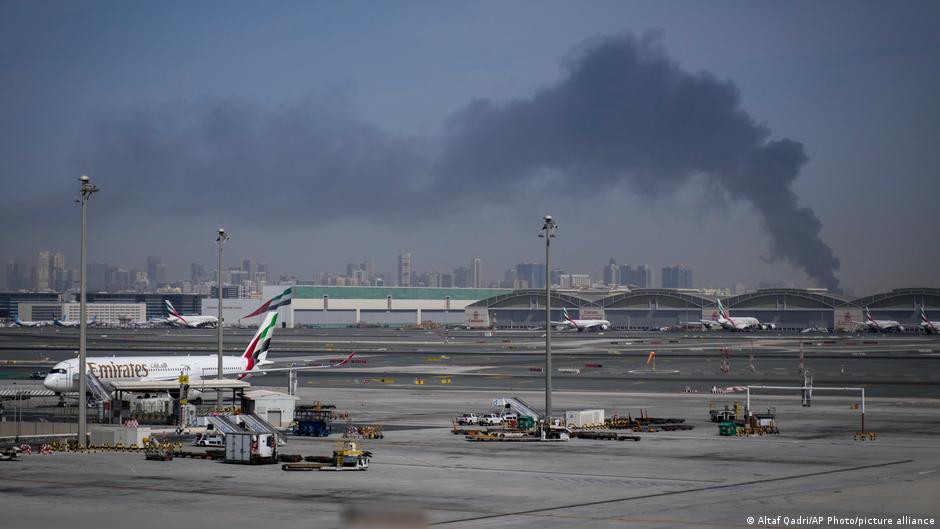
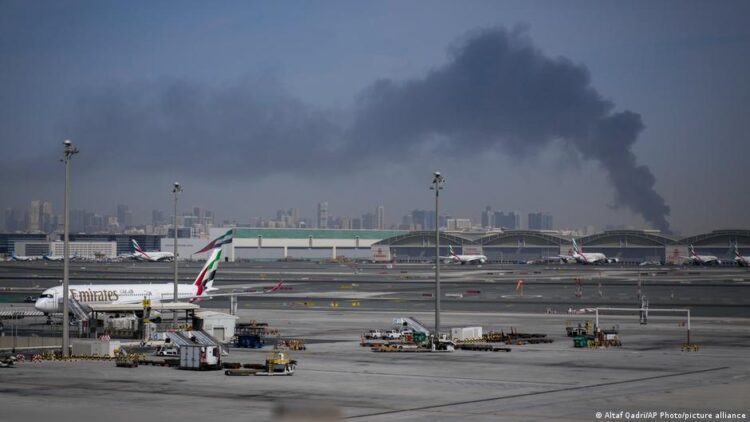
The article discusses the impact of the US-Israeli conflict with Iran on the tourism industry in the Arabian Peninsula. Following recent attacks by the US and Israel on Iran, and Tehran’s counterstrikes, there has been a sudden downturn in the sector. Hundreds of thousands of travelers from around the world have been stranded across the region due to the widespread closure of airspace over large parts of the peninsula. This sudden downturn marks a shift from the previous years of rapid growth in the tourism industry in the region.
Key Points:
The US-Israeli conflict with Iran has led to a sudden downturn in the tourism industry in the Arabian Peninsula.
Hundreds of thousands of travelers have been stranded across the region due to airspace closures.
The sector, which had recently set new records, is now facing significant challenges.
Actionable Takeaways:
Travel Industry Resilience and Adaptation: The sudden downturn in the tourism industry due to geopolitical conflicts highlights the need for travel companies to develop contingency plans and adapt quickly to changing circumstances. This could involve diversifying destinations, enhancing digital booking platforms, and improving crisis communication strategies. The ability to adapt swiftly can mitigate the impact of such disruptions and maintain market stability.
Enhanced Crisis Communication and Traveler Support: Given the stranded travelers, travel companies must prioritize effective crisis communication and provide robust support to affected travelers. This includes clear communication about flight cancellations, alternative travel options, and assistance with rebooking. Such measures not only help in managing the immediate crisis but also in preserving customer trust and loyalty, which are crucial in the travel industry.
Contextual Insights:
The article reflects the current state of the travel industry, which is highly sensitive to geopolitical tensions. Recent events underscore the importance of geopolitical stability for the smooth functioning of the tourism sector. The rapid growth witnessed in the sector until recently was largely driven by stable geopolitical environments. However, the current conflict has disrupted this growth trajectory, emphasizing the need for the industry to be more resilient and adaptable to external shocks. Thought leaders in the travel sector are increasingly focusing on risk management strategies, including geopolitical risk assessments, to safeguard against such disruptions. The article also highlights the importance of leveraging technology, such as digital platforms and real-time communication tools, to enhance traveler support and operational efficiency during crises. This forward-looking perspective is crucial for the sustained growth and resilience of the travel industry in the face of emerging challenges.
Comprehensive Summarization: Vietjet is currently offering special summer promotions to entice Indian travelers, including up to 100% off Eco tickets...