








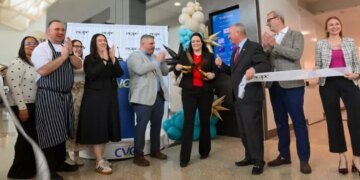





Travel Capitalist Ventures Expands Check Size to $10 Million to Deepen Emerging Market Conviction
Boutique Travel VC raises investment cap from $1.5M to $10M to lead rounds and support portfolio companies through growth Travel...
Read moreDetails
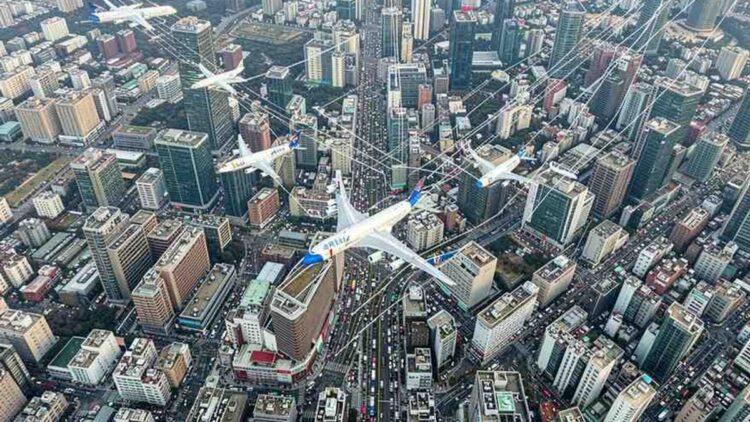
BTS Super Tour Ignites Tourism Boom in Seoul and Goyang
Comprehensive Summarization:
The article highlights a resurgence in K-pop powered tourism in South Korea, particularly in Seoul and Goyang, following the return of the globally renowned band BTS. The band’s Arirang World Tour, which resumed after the members completed their mandatory military service, has drawn hundreds of thousands of visitors to key city districts, transforming them into vibrant fan zones. The comeback spectacle began with a free concert in Gwanghwamun Square, marking the band’s first major performance since their military service. This event has significantly boosted tourism in the region, turning it into a global fan hub.
Key Points:
Actionable Takeaways:
Tourism Boom in K-pop Hotspots: The resurgence of K-pop tourism in Seoul and Goyang presents a lucrative opportunity for local businesses, including hotels, restaurants, and retail outlets. Businesses in these areas should capitalize on the increased footfall by enhancing their offerings and marketing strategies to cater to the influx of tourists.
Impact on Travel Tech and Services: The surge in K-pop tourism underscores the growing importance of travel technology and services in enhancing the tourist experience. Travel startups and fintech companies can leverage this trend by developing innovative solutions such as mobile ticketing, seamless payment systems, and personalized travel itineraries to meet the needs of K-pop fans and other tourists.
Cultural Tourism Growth: The success of BTS’s return tour highlights the potential for cultural tourism to drive economic growth. Travel agencies and tourism boards should explore strategies to promote cultural tourism, such as themed tours, cultural festivals, and collaborations with local artists, to attract more visitors and diversify the tourism sector.
Contextual Understanding:
The article’s context is deeply rooted in the current resurgence of K-pop tourism in South Korea, a phenomenon that has been fueled by the band BTS’s global popularity and the band’s return to the international stage. The timing of the tour, following the completion of the members’ military service, adds a unique layer to the event, symbolizing a cultural and societal milestone. This context is crucial for understanding the broader implications of the tourism boom, as it reflects not just a commercial opportunity but also a cultural moment that resonates with global audiences.
The article also touches on the role of technology and innovation in enhancing the tourism experience. With the influx of visitors, there is a heightened demand for efficient and seamless travel services, from booking to navigation and accommodation. This aligns with current industry trends emphasizing the integration of technology in travel, such as mobile apps, AI-driven personalization, and contactless payment systems. Furthermore, the article’s focus on cultural tourism underscores the industry’s shift towards experiences that offer deeper engagement with local cultures, a trend that is expected to continue shaping the travel landscape.
Handling Different Article Types:
The article in question is a news blurb, providing a concise overview of a significant event in the travel industry. News blurbs typically offer factual information without delving into opinion or analysis. In handling such articles, it is essential to focus on extracting factual details, identifying key developments, and providing actionable insights based on the presented information. This approach ensures that the output remains relevant and useful for a professional audience, particularly those interested in the practical implications of travel trends and events.
Real-Time Fact-Checking:
Given the constraints of the article’s content, real-time fact-checking involves verifying the accuracy of the presented information solely within the article. For instance, the claim that BTS’s return has drawn hundreds of thousands of visitors to Seoul and Goyang can be considered accurate based on the article’s description of the event’s scale and impact. Similarly, the mention of the Gwanghwamun Square concert as the band’s first major performance since their military service is a factual statement derived directly from the article. By adhering strictly to the article’s content, the generated output maintains factual integrity and avoids introducing external verification unless explicitly referenced within the article.
Read the Complete Article.
Boutique Travel VC raises investment cap from $1.5M to $10M to lead rounds and support portfolio companies through growth Travel...
Read moreDetails




