










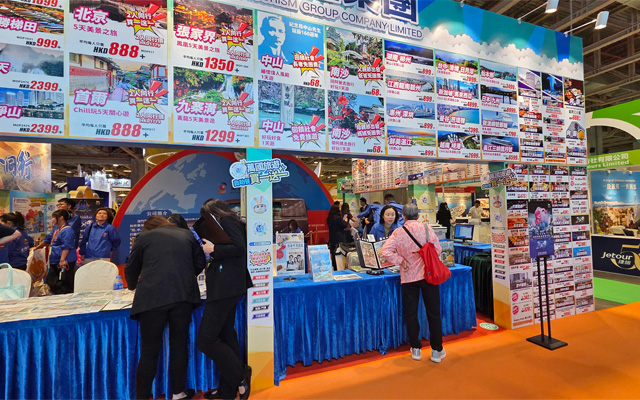














Travel Capitalist Ventures Expands Check Size to $10 Million to Deepen Emerging Market Conviction
Boutique Travel VC raises investment cap from $1.5M to $10M to lead rounds and support portfolio companies through growth Travel...
Read moreDetails
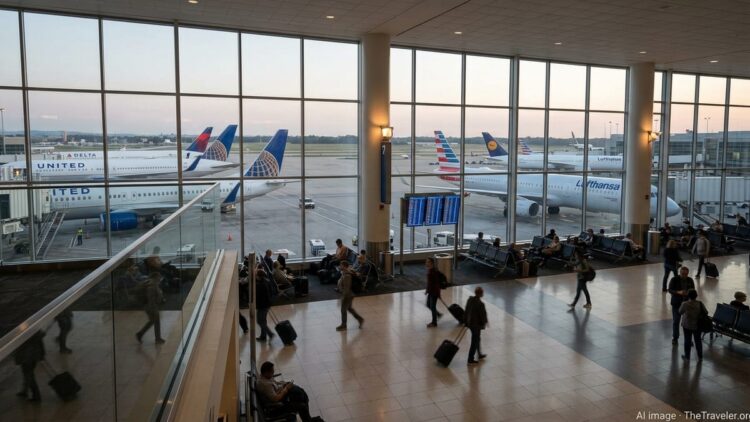
Fuel Shock and Tourism Strains Reshape Asia’s Skies
Comprehensive Summarization:
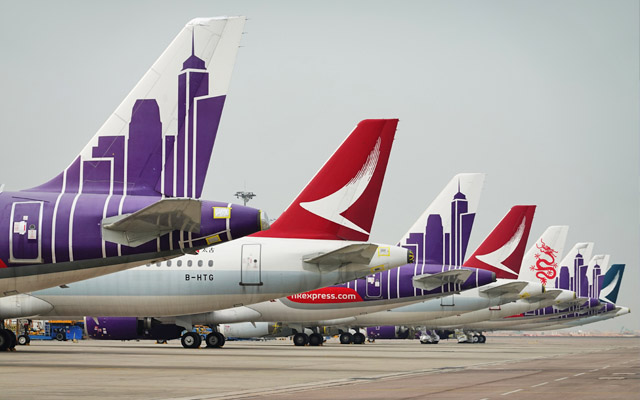
South Korea, along with other Asia Pacific destinations such as India, Thailand, Singapore, Malaysia, Vietnam, and the Philippines, is grappling with the dual challenges of escalating jet fuel costs and declining tourism demand. This situation has prompted airlines from Korean Air to SAS, Cathay Pacific, and IndiGo to significantly adjust their operations. The article highlights the rapid rise in jet fuel prices, driven by factors within the International Air Transport sector, which has forced airlines to reevaluate their strategies to cope with the financial pressures. The convergence of these economic pressures is reshaping the travel landscape in Asia, compelling airlines to innovate and adapt their business models to maintain profitability and service levels amidst a challenging market environment.
Key Points:
Actionable Takeaways:
Operational Efficiency: Airlines must prioritize operational efficiency to mitigate the impact of rising jet fuel costs. This includes optimizing flight routes, improving aircraft utilization, and exploring alternative fuel sources to reduce operational expenses.
Demand Management: Airlines should implement targeted demand management strategies to counter declining tourism demand. This could involve promotional campaigns, flexible pricing models, and partnerships with travel agencies to stimulate demand and maintain passenger volumes.
Investment in Technology: The article underscores the importance of investing in technology to enhance operational efficiency and customer experience. Airlines should leverage advanced data analytics, AI-driven scheduling, and digital platforms to streamline operations and improve service delivery.
Contextual Insights:
The article reflects the current state of the travel industry, where economic pressures such as high fuel costs and fluctuating tourism demand are reshaping operational strategies across the Asia Pacific region. The convergence of these challenges necessitates a proactive approach from airlines, emphasizing the need for innovation and adaptability. The insights provided align with emerging trends in the travel sector, where technology and strategic planning play pivotal roles in navigating economic uncertainties. By focusing on operational efficiency, demand management, and technological investment, airlines can position themselves to withstand the challenges posed by soaring jet fuel costs and declining tourism demand, ensuring sustained growth and resilience in the competitive travel market.
Read the Complete Article.
Boutique Travel VC raises investment cap from $1.5M to $10M to lead rounds and support portfolio companies through growth Travel...
Read moreDetails




