












Comprehensive Summarization:
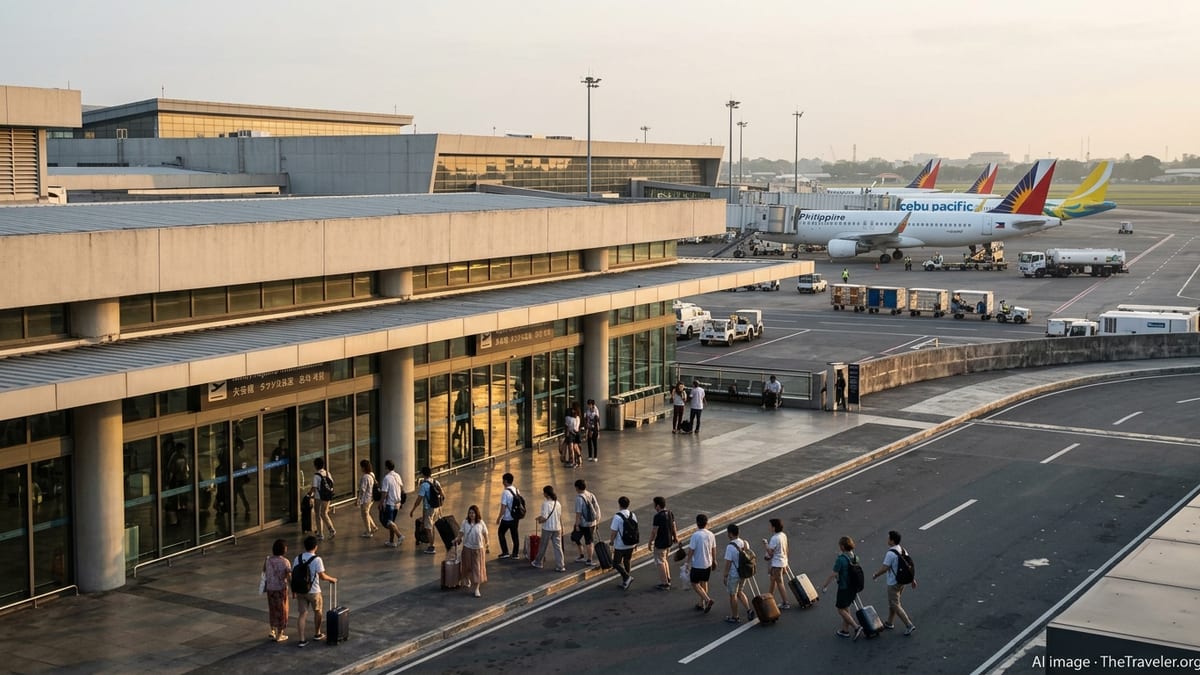
The article discusses a new wave of incentives on airport charges in the Philippines, which is driving a surge in travel from Japan and South Korea. This development is boosting demand for routes operated by Philippine Airlines and Cebu Pacific, despite these carriers facing higher fuel and operating costs. The Philippine government has been implementing targeted reductions and incentives on airport and navigational fees at key gateways, particularly for new and underserved international routes. These measures are aimed at unlocking new travel links and increasing traffic, thereby benefiting both airlines and travelers.
Key Points:
- The Philippine government has introduced targeted reductions and incentives on airport and navigational fees at key gateways, particularly for new and underserved international routes.
- These measures are helping unlock a surge in travel from Japan and South Korea, boosting demand for Philippine Airlines and Cebu Pacific routes.
- Despite higher fuel and operating costs, the incentives are contributing to increased travel demand and traffic on Philippine Airlines and Cebu Pacific routes.
- The article highlights the challenges faced by airlines in managing higher costs while benefiting from increased travel demand due to the incentives.
Actionable Takeaways:
-
Incentive Programs Boost Travel Demand: The targeted reductions and incentives on airport charges in the Philippines are effectively boosting travel demand from Japan and South Korea. Airlines like Philippine Airlines and Cebu Pacific are experiencing increased traffic, which could lead to improved service offerings and potentially lower fares for travelers. This trend underscores the importance of strategic pricing and fee management in the travel industry to attract international tourists.
-
Impact of Higher Costs on Airlines: While the incentives are driving travel demand, airlines operating in the Philippines are grappling with higher fuel and operating costs. This situation highlights the delicate balance airlines must maintain between operational costs and competitive pricing. It suggests that airlines may need to explore cost-saving measures or seek alternative revenue streams to sustain profitability amidst rising operational expenses.
Contextual Insights:
The article reflects the ongoing efforts by the Philippine government to enhance connectivity and attract international travelers by reducing airport charges. This initiative aligns with broader industry trends towards making travel more accessible and affordable, especially in regions with high demand but limited service options. The focus on key gateways and underserved routes indicates a strategic approach to expanding air travel networks, which could have far-reaching implications for regional tourism and economic growth. Furthermore, the challenges faced by airlines in managing higher costs while benefiting from increased demand highlight the need for innovative solutions in cost management and revenue generation. This context is crucial for understanding the broader implications of the article’s findings for the travel industry, particularly for startups and fintech solutions aimed at optimizing travel logistics and costs.
Read the Complete Article.



