







No products in the cart.
- Latest
- Trending


South Korea Embraces “Ulaanbaatar” in Travel Shift — New Name Reflects Local Identity, Strengthens T...
Comprehensive Summarization:
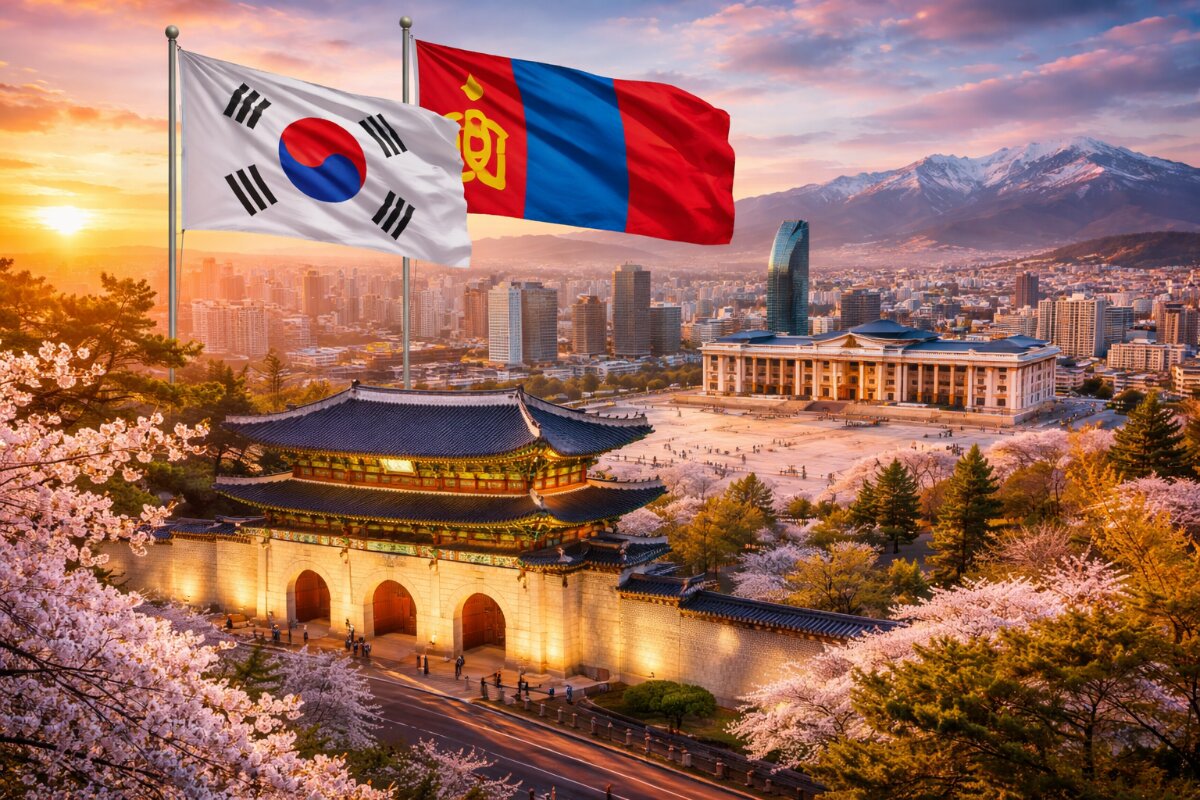
The article reports that the South Korean government has officially changed the transliteration of Mongolia’s capital city from “Ulan Bator” to “Ulaanbaatar.” This shift aligns the name more closely with the native Mongolian pronunciation and international usage. The decision was jointly announced by the Ministry of Culture, Sports and Tourism and the National Institute of the Korean Language, following a request from stakeholders. This move reflects the deepening cultural and tourism relationship between Seoul and Ulaanbaatar, strengthening tourism and cultural ties with Mongolia.
Key Points:
Actionable Takeaways:
Enhanced Cultural and Tourism Relations: The adoption of the Mongolian pronunciation for Ulaanbaatar is likely to enhance cultural and tourism relations between South Korea and Mongolia. This move signals a commitment to accurately representing and respecting the cultural identity of Mongolia, which could attract more tourists and cultural exchanges between the two countries.
Alignment with International Standards: By adopting the international standard for the city’s name, South Korea is positioning itself as a proactive and culturally sensitive partner in the global tourism industry. This could set a precedent for other countries in how they handle transliterations of foreign place names, potentially influencing best practices in the travel industry.
Contextual Understanding:
The article highlights a significant cultural and linguistic adjustment by the South Korean government, reflecting broader trends in globalization and cultural sensitivity in international relations. The move aligns with the current trend of many countries adopting more accurate and respectful transliterations of foreign place names to foster better cultural understanding and tourism. This reflects a growing awareness among governments and organizations of the importance of linguistic and cultural accuracy in international communication.
In the context of the travel industry, such changes can have a profound impact on branding, marketing, and the overall perception of a destination. By adopting the Mongolian pronunciation, South Korea is not only improving the travel experience for Mongolian tourists but also enhancing the appeal of Mongolia as a travel destination to international tourists. This strategic move could lead to increased tourism flows, benefiting local economies and travel startups that cater to this market.
Moreover, the article underscores the importance of staying attuned to cultural nuances and linguistic preferences in the travel sector. As globalization continues to bring people closer together, the ability to accurately represent and respect diverse cultures is becoming increasingly crucial. This trend is likely to influence other sectors within the travel industry, such as fintech and travel tech, where cultural sensitivity and linguistic accuracy are key to providing seamless and respectful travel experiences.
Handling Different Article Types:
The article in question is a news blurb, providing factual information about a recent development in the travel and tourism sector. The summary, key points, and actionable takeaways are structured to reflect the factual nature of the content, ensuring clarity and relevance for a professional audience. The analysis integrates the latest travel trends and insights, emphasizing the importance of cultural sensitivity and linguistic accuracy in international relations and the travel industry.
Read the Complete Article.
Get curated travel AI insights — choose the newsletters that matter to you.
This spot is reserved for brands with a compelling story for the travel trade. They use this space to cut...
Read moreDetailsTravel One Technologies launches the world’s first Traveler DNA Platform, targeting the structural data gap at the core of an...
Read moreDetails