




















Travel Capitalist Ventures Expands Check Size to $10 Million to Deepen Emerging Market Conviction
Boutique Travel VC raises investment cap from $1.5M to $10M to lead rounds and support portfolio companies through growth Travel...
Read moreDetails

South Korea-China Tourism Partnership Expands With Visa-Free Policies, Enhancing Economic Growth And...
Article Summary:
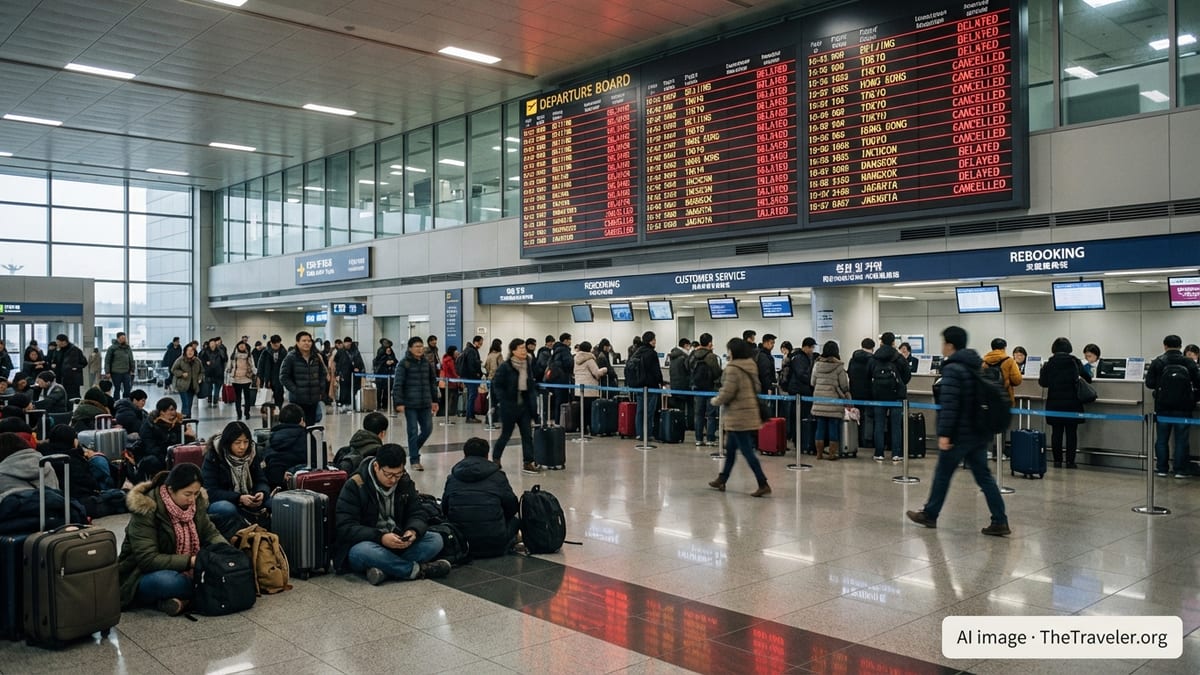
South Korea and China are implementing bold visa-free policies to enhance tourism between the two nations. This strategic move aims to foster deeper cultural understanding, boost economic growth, and strengthen regional cooperation. The easing of travel restrictions is expected to stimulate vibrant tourism flows, invigorate local economies, and create lasting connections between the two countries.
Key Points:
Actionable Takeaways:
Contextual Insights:
The introduction of visa-free policies between South Korea and China reflects a broader trend in the travel industry towards greater openness and collaboration. As global travel resumes and borders reopen, countries are increasingly looking for ways to boost tourism and economic recovery. This move aligns with the growing emphasis on cultural diplomacy and regional cooperation, as highlighted by thought leaders in the travel and tourism sector. Experts predict that such initiatives can lead to a virtuous cycle of increased tourism, economic growth, and cultural exchange, ultimately contributing to the long-term resilience and competitiveness of the travel industry. Furthermore, the policies underscore the importance of leveraging technology and digital platforms to facilitate seamless travel experiences, a trend that is expected to continue shaping the future of travel.
Read the Complete Article.
Boutique Travel VC raises investment cap from $1.5M to $10M to lead rounds and support portfolio companies through growth Travel...
Read moreDetails




