




















Travel Capitalist Ventures Expands Check Size to $10 Million to Deepen Emerging Market Conviction
Boutique Travel VC raises investment cap from $1.5M to $10M to lead rounds and support portfolio companies through growth Travel...
Read moreDetails
Video: Why Cambodia and Southeast Asia became a scam haven (RFA)
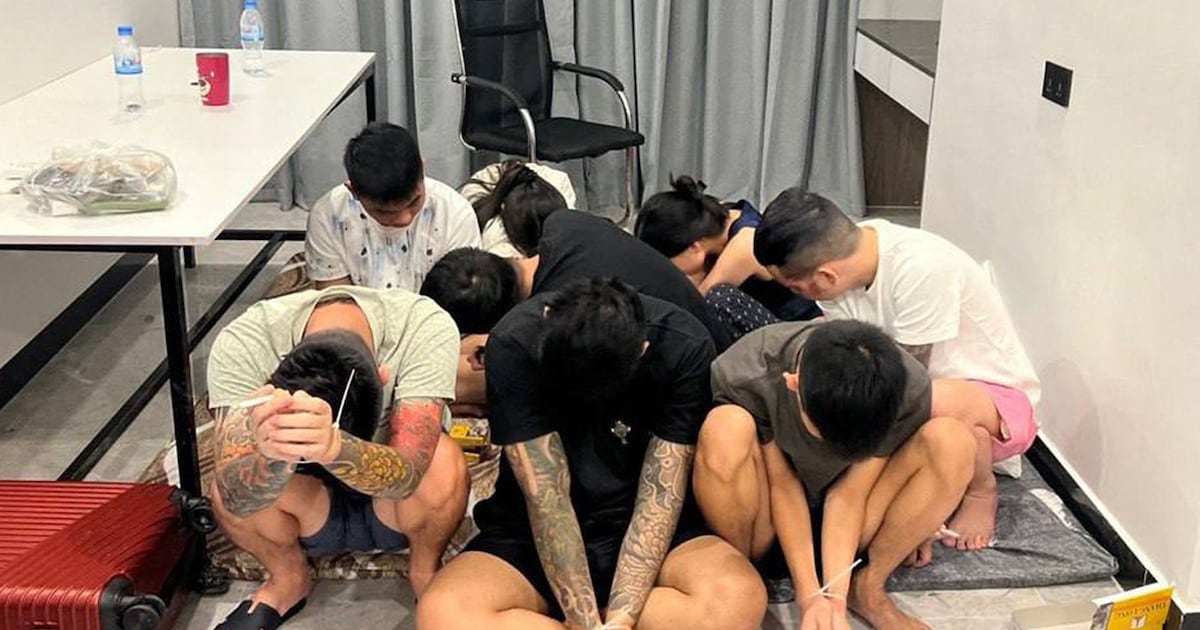
Cambodia has become a significant hub for scam centers operated by South Korean nationals, targeting and exploiting other South Koreans. These operations lure individuals with false promises of high-paying jobs, only to trap them in conditions of forced labor, debt bondage, and physical abuse. The issue highlights concerns about human trafficking and the vulnerability of those seeking employment abroad.
South Korean criminal syndicates are increasingly setting up online scam centers across Cambodia, particularly in coastal and border areas such as Sihanoukville, Kampot, Koh Kong, and Bavet. These centers actively recruit vulnerable South Koreans through online advertisements for seemingly legitimate, high-paying jobs in Cambodia. However, upon arrival, victims’ passports are confiscated, and they are forced to work in scam operations, defrauding others. These forced laborers are often isolated, denied communication with the outside world, and subjected to long hours.
Victims describe being forced to work 12-hour shifts daily, seven days a week, often coerced into participating in romance scams, online gambling schemes, or cryptocurrency fraud targeting other South Koreans. Non-compliance or failure to meet quotas can lead to physical assault by their captors. These centers operate with a high degree of organization, with some perpetrators even creating fake social media accounts to pose as law enforcement or aid workers to deceive and control their victims further.
Those trapped in these scam centers are often subjected to a system of debt bondage. To secure their release, victims are typically demanded to pay a significant sum, such as 5 million won (approximately $3,700), to reimburse the perpetrators for their travel and accommodation expenses. If a victim cannot pay, they accumulate an additional 5 million won in debt for food and lodging, creating an inescapable cycle of financial obligation. This coercive system leaves many without a means to escape unless external assistance is provided.
The exploitation extends beyond financial coercion, with reports of physical abuse and intimidation. The human rights situation of these forced laborers has drawn attention from international bodies and human rights advocates, who express concern over the Cambodian authorities’ perceived lack of effective action against these criminal networks.
The South Korean government and various human rights organizations are working to rescue and repatriate victims from these Cambodian scam centers. Since May, over 50 South Koreans have been successfully rescued and returned home. However, it is estimated that approximately 100 more South Koreans remain trapped in these operations. The South Korean Embassy in Cambodia is actively assisting in these efforts, but the scale of the problem suggests a need for more robust intervention.
Human rights groups criticize the Cambodian government for its perceived inaction in dismantling these scam centers, suggesting a lack of political will or enforcement capacity. The Cambodian authorities have been called upon to intensify their efforts to identify, raid, and dismantle these illegal operations and to protect those who have fallen victim to human trafficking and forced labor within their borders. The situation underscores the complex challenges of transnational crime and the urgent need for international cooperation to combat human trafficking and protect vulnerable individuals.
Read the Complete Article.
Boutique Travel VC raises investment cap from $1.5M to $10M to lead rounds and support portfolio companies through growth Travel...
Read moreDetails




