







No products in the cart.
- Latest
- Trending

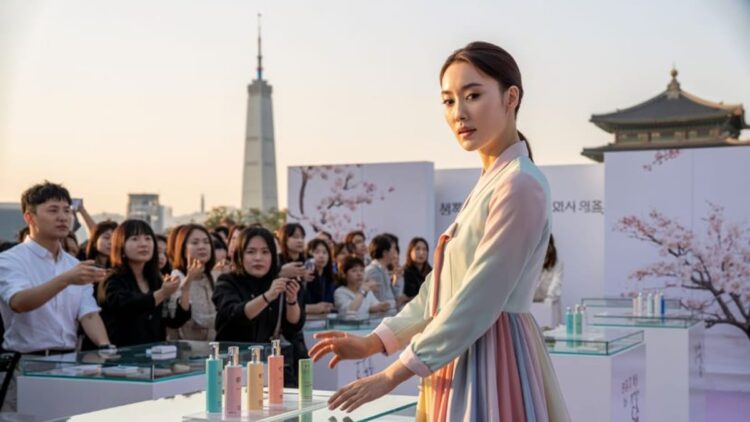
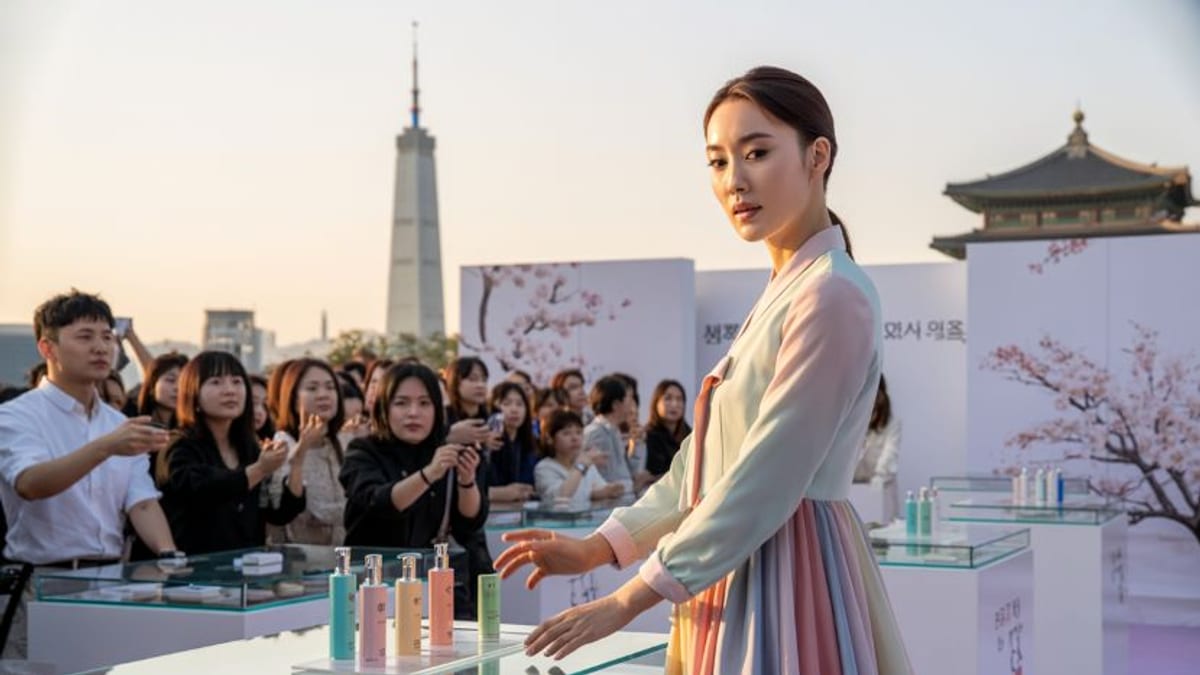
South Korea Leans on K-Beauty Stars to Rekindle Chinese Tourism
Comprehensive Summarization:
South Korea is enhancing its appeal to Chinese tourists by positioning K-beauty as a central attraction. This strategy incorporates celebrity-driven branding, relaxed visa policies, and immersive cultural experiences centered around skincare, makeup, and aesthetic care. The article highlights the gradual rebuilding of travel links between China and South Korea, with recent policy steps widening the door for leisure travel. This initiative aims to capitalize on the growing interest in K-beauty and the increasing ease of travel between the two countries, presenting a new opportunity for tourism growth in South Korea.
Key Points:
Actionable Takeaways:
Leverage K-beauty for Tourism Growth: South Korean tourism authorities should intensify their marketing efforts to highlight K-beauty as a unique selling point for Chinese tourists. This could involve collaborations with K-beauty brands, celebrity endorsements, and exclusive cultural experiences centered around skincare and makeup.
Streamline Visa Policies: Simplifying visa requirements for Chinese tourists can significantly boost travel numbers. South Korea should continue to work on policies that make it easier for Chinese citizens to visit, such as visa-free entry for short stays or streamlined application processes.
Focus on Immersive Cultural Experiences: Developing and promoting immersive cultural experiences that revolve around K-beauty and skincare can differentiate South Korea’s offerings from competitors. This could include workshops, beauty retreats, and themed tours that allow tourists to engage deeply with Korean culture and aesthetics.
Contextual Insights:
The article reflects the current trend of leveraging cultural and beauty industries to drive tourism growth. As travel resumes and borders reopen, destinations are increasingly using niche attractions—such as K-beauty—to differentiate themselves and attract specific demographics. This approach aligns with broader industry trends that emphasize experiential travel and personalized experiences. Furthermore, the easing of visa policies underscores a broader shift towards making international travel more accessible and appealing, particularly in regions with strong cultural and aesthetic appeal. For South Korea, this presents a timely opportunity to capitalize on the resurgence of travel between the two countries, aligning with the latest insights from travel thought leaders who advocate for innovative marketing strategies to boost tourism.
Read the Complete Article.
Get curated travel AI insights — choose the newsletters that matter to you.
ALTOUR Expands into Thailand, Strengthening Corporate Travel Network Across Southeast Asia BANGKOK, THAILAND (25 March, 2026) – ALTOUR, a leading...
Read moreDetails


Comprehensive Summarization: South Korea is enhancing its appeal to Chinese tourists by positioning K-beauty as a central attraction. This strategy...
Read moreDetails