






Sail Through Time: Discover the Timeless Wonders of Upper Egypt Aboard Kenzy Dahabeya
Experience the magic of the Nile aboard Kenzy Dahabeya, a luxury boutique sailing cruise that offers an unforgettable journey between...
Read moreDetails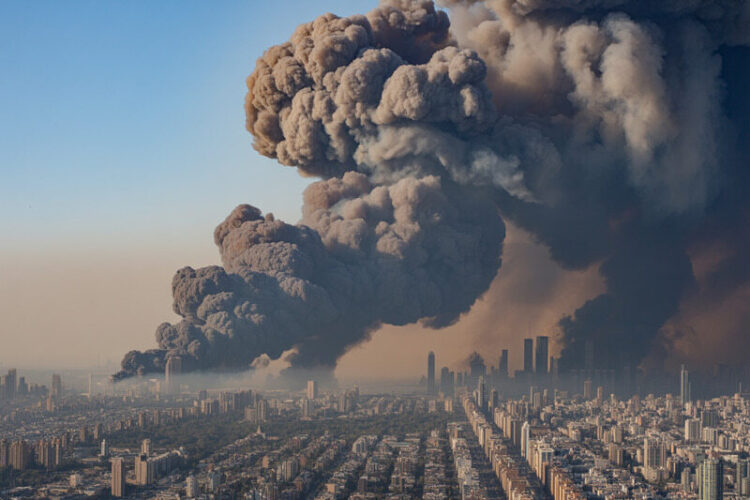
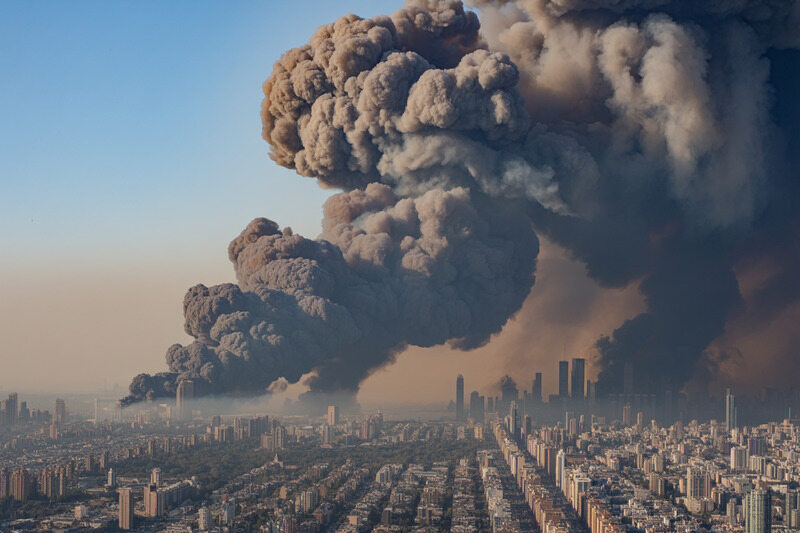
UAE Joins Bahrain, Kuwait, Philippines, Bangladesh, United States, and More as the Middle East War E...
Comprehensive Summarization:
The article reports that the UAE has joined a list of nations including Bahrain, Kuwait, the Philippines, Bangladesh, and the United States as the Middle East war escalates, leading to significant disruptions in energy markets and economic uncertainty. As the conflict intensifies, these nations are facing challenges in maintaining stability in their respective sectors. The article highlights the broader implications of the war on global energy markets and economic conditions, emphasizing the need for nations to adapt to the evolving situation.
Key Points:
Actionable Takeaways:
Adaptation Strategies for Energy Markets: Nations affected by the war should develop and implement adaptive strategies for their energy markets to mitigate disruptions. This could include diversifying energy sources, investing in renewable energy, and enhancing energy storage capabilities. These actions are crucial for ensuring energy security and stability amidst geopolitical tensions.
Economic Resilience Measures: Governments and businesses in the affected regions should focus on building economic resilience. This could involve diversifying economies, investing in technology and innovation, and fostering international trade partnerships. Such measures can help cushion the impact of economic uncertainty and support long-term growth.
Collaborative International Efforts: There is a need for increased collaboration among affected nations and international bodies to address the economic and energy challenges. This could include joint initiatives for energy security, economic support programs, and coordinated policy responses to the geopolitical situation. Such collaboration can enhance collective resilience and stability.
Contextual Understanding:
The article reflects the current geopolitical tensions in the Middle East and their direct impact on global energy markets and economic stability. The escalation of the war has led to immediate disruptions, which are likely to have long-term implications for the affected nations. The focus on energy markets and economic uncertainty highlights the interconnectedness of geopolitical events with economic and energy sectors. From a travel industry perspective, these developments could influence travel patterns, investment decisions, and operational strategies. Thought leaders emphasize the importance of adaptability and resilience in navigating such challenges, suggesting that the travel industry must also prepare for potential shifts in travel demand and market dynamics.
Handling Different Article Types:
The article is a news blurb, providing factual information about the geopolitical situation and its impacts. For such articles, the focus is on delivering concise, factual summaries and actionable insights based on the provided context. The structured output format ensures clarity and ease of integration into professional materials, making it suitable for a professional audience seeking reliable and timely information.
markdown
Comprehensive Summarization:
The UAE has joined a list of nations affected by the escalation of the Middle East war, leading to disruptions in energy markets and economic uncertainty. The conflict is causing widespread challenges in maintaining stability across various sectors.
Key Points:
Actionable Takeaways:
Contextual Insights:
The article reflects the current geopolitical tensions in the Middle East and their direct impact on global energy markets and economic stability. The escalation of the war has led to immediate disruptions, which are likely to have long-term implications for the affected nations. Thought leaders emphasize the importance of adaptability and resilience in navigating such challenges, suggesting that the travel industry must also prepare for potential shifts in travel demand and market dynamics.
Read the Complete Article.
Experience the magic of the Nile aboard Kenzy Dahabeya, a luxury boutique sailing cruise that offers an unforgettable journey between...
Read moreDetails



