






















Travel Capitalist Ventures Expands Check Size to $10 Million to Deepen Emerging Market Conviction
Boutique Travel VC raises investment cap from $1.5M to $10M to lead rounds and support portfolio companies through growth Travel...
Read moreDetails
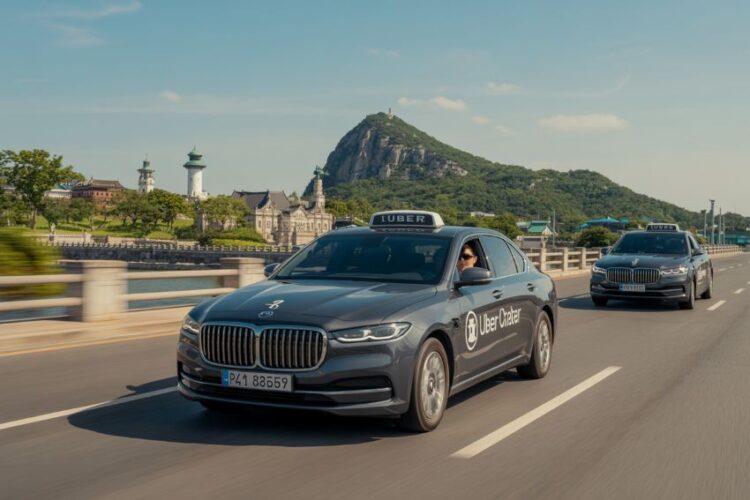
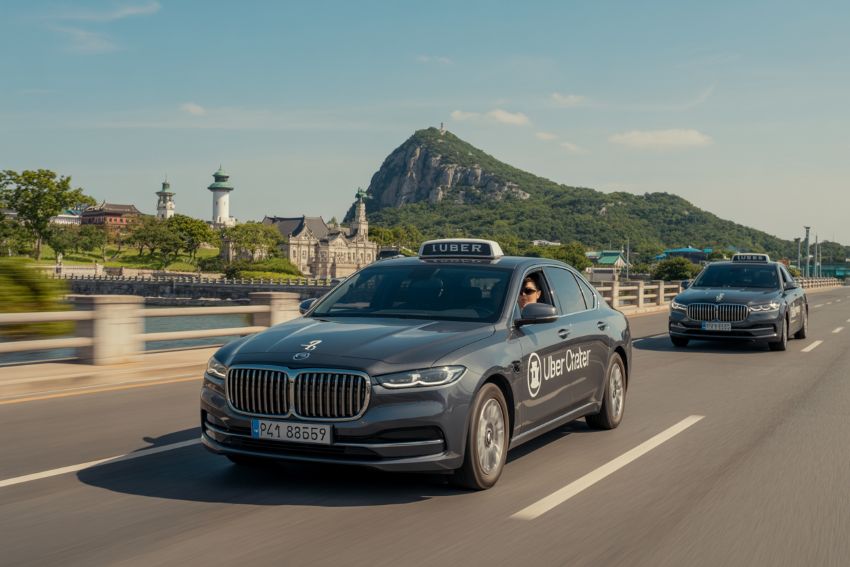
Uber Launches “Uber Charter” in Gyeongju and Jeju: A Game-Changer for Travellers Exploring South Kor...
Article Summary:
Uber has launched a new service called "Uber Charter" in Gyeongju and Jeju, two popular tourist destinations in South Korea. This is the first domestic mobility platform to introduce an hourly taxi charter service in the nation, marking a significant shift in the region’s mobility landscape. The service is expected to revolutionize travel experiences and boost South Korea’s tourism industry by offering flexible and convenient transportation options for travelers and business professionals.
Key Points:
Actionable Takeaways:
Contextual Insights:
The introduction of Uber Charter in South Korea aligns with the broader trend of digital transformation in the travel and transportation sectors. As more travelers seek convenience and flexibility, mobility platforms are increasingly adopting innovative services like hourly taxi charters. This move reflects a growing demand for personalized and efficient travel solutions, driven by advancements in technology and changing consumer preferences. Experts predict that such services will continue to evolve, integrating with other travel services and leveraging data analytics to offer tailored experiences. For travel startups and fintech companies, this presents a significant opportunity to innovate and capture market share by focusing on seamless integration, user experience, and value-added services.
Read the Complete Article.
Boutique Travel VC raises investment cap from $1.5M to $10M to lead rounds and support portfolio companies through growth Travel...
Read moreDetails




