

















Travel Capitalist Ventures Expands Check Size to $10 Million to Deepen Emerging Market Conviction
Boutique Travel VC raises investment cap from $1.5M to $10M to lead rounds and support portfolio companies through growth Travel...
Read moreDetails
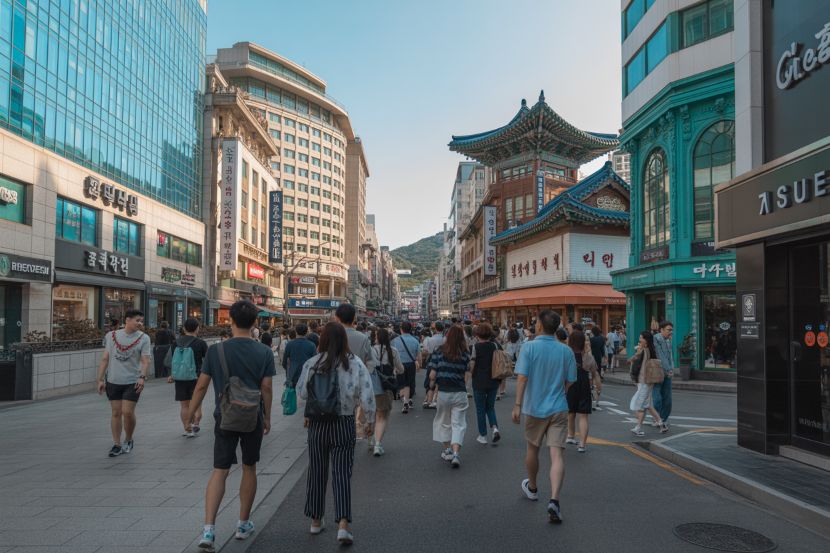
Visa-Free Travel and Diplomatic Revival Spark Tourism Surge in Seoul, Jeju Island, and Beyond as Chi...
Article Summary:
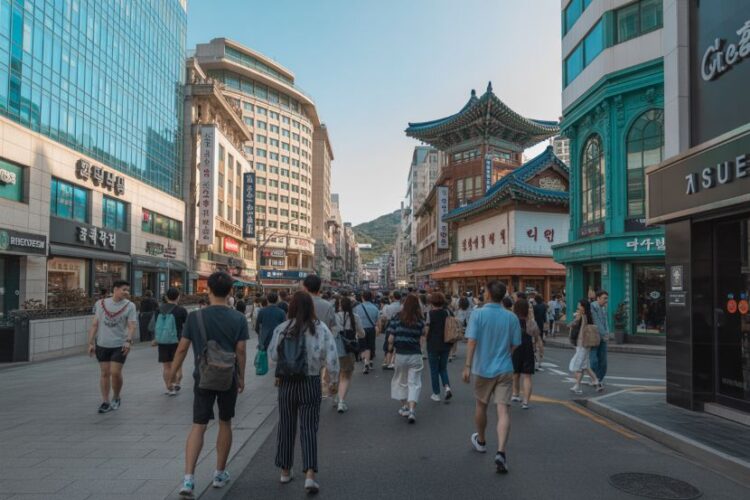
The article highlights the significant impact of the recent thaw in South Korea-China relations on the tourism sector, particularly in Seoul and Jeju Island. The diplomatic breakthrough, marked by a key summit and the introduction of visa-free travel for Chinese group tourists, has led to a surge in travel demand, boosted luxury accommodations, and increased Chinese visitors to South Korea. This development signifies a positive shift in bilateral relations and opens new opportunities for the tourism, casinos, and beauty industries in South Korea.
Key Points:
Actionable Takeaways:
Contextual Insights:
The article reflects the current trend of diplomatic partnerships driving economic growth, particularly in the tourism sector. As South Korea and China strengthen their ties, the ripple effects are evident in the increased travel demand and economic opportunities. This aligns with broader industry insights that highlight the importance of diplomatic relations in fostering tourism growth. Furthermore, the surge in Chinese tourists underscores the growing significance of Asian markets in the global tourism landscape. As such, travel companies and policymakers should focus on leveraging these partnerships to drive innovation and growth in the sector. The article also highlights the potential for travel tech innovations, such as streamlined visa processes and enhanced digital platforms, to support the growing influx of Chinese tourists.
Read the Complete Article.
Boutique Travel VC raises investment cap from $1.5M to $10M to lead rounds and support portfolio companies through growth Travel...
Read moreDetails




