










No products in the cart.
- Latest
- Trending

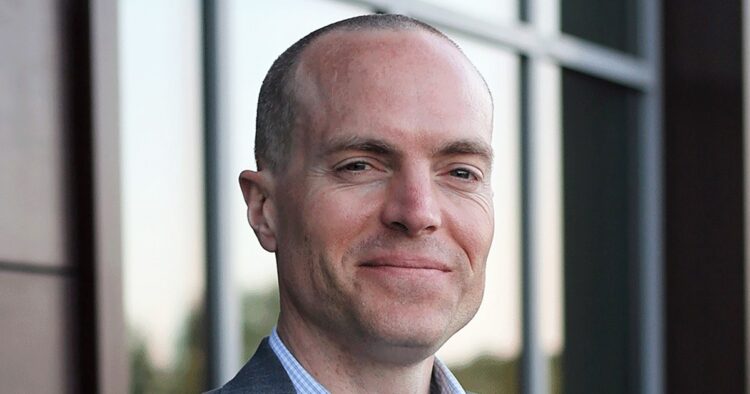
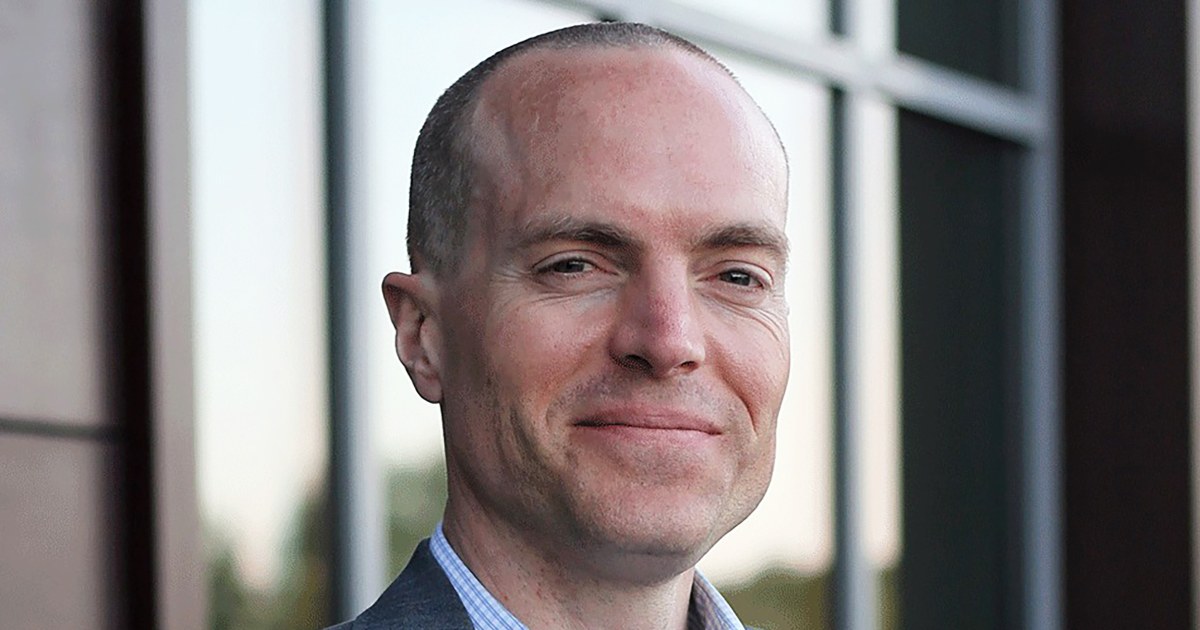
Daniel Owen was director of QSI International School of Haiphong, one of Vietnam’s largest cities.Quality Schools International / via Facebook
Article Summary:
An American teacher and his teenage son were fatally attacked by hornets while zip-lining on vacation in Laos. The incident occurred at an eco-adventure resort near Luang Prabang on October 15. The victims were briefly treated at the Phakan Arocavet Clinic before being transferred to a nearby provincial hospital for further treatment. The director of the clinic stated that the father and son were severely affected, having been stung over 100 times. The cause of the attack is currently unconfirmed.
Key Points:
Actionable Takeaways:
Contextual Insights:
The incident highlights the ongoing challenges in the travel industry, particularly in regions with high biodiversity but also significant wildlife risks. It reflects a broader trend of travelers seeking unique and adventurous experiences, which continues to drive growth in the eco-tourism sector. However, this trend also necessitates a heightened focus on safety and risk management. The incident could prompt travel companies to invest more in safety training for staff, improve emergency response protocols, and enhance communication with travelers about potential risks. Furthermore, it underscores the need for continuous monitoring and updating of travel advisories, especially in regions prone to wildlife attacks. This event may also encourage the development of innovative travel technologies, such as real-time wildlife tracking systems or enhanced safety gear, to better protect travelers in high-risk environments.
Read the Complete Article.
Get curated travel AI insights — choose the newsletters that matter to you.
This spot is reserved for brands with a compelling story for the travel trade. They use this space to cut...
Read moreDetailsTravel One Technologies launches the world’s first Traveler DNA Platform, targeting the structural data gap at the core of an...
Read moreDetails