







No products in the cart.
- Latest
- Trending

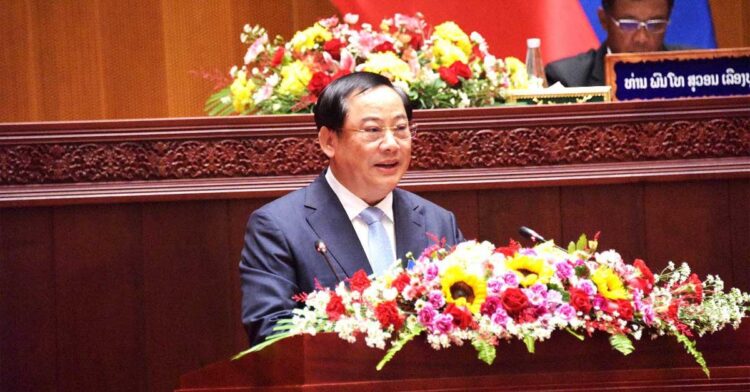
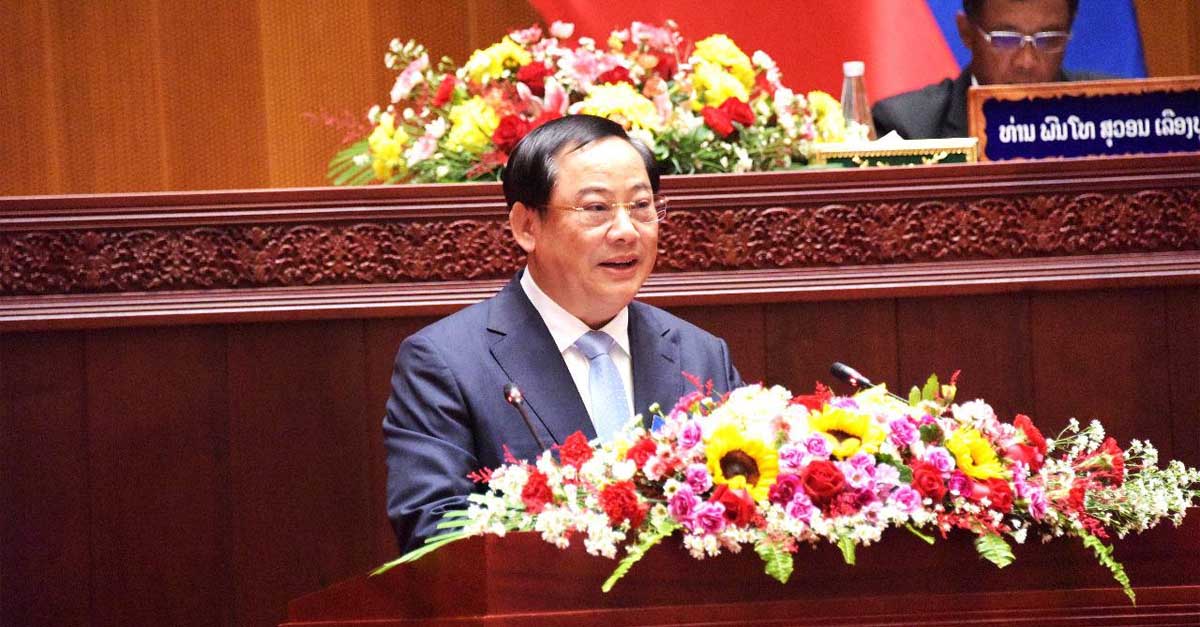
Lao PM Sonexay Siphandone speaksat the 10th Ordinary Session of the 9th National Assembly on 10 November (photo credit: Lao Security News)
Article Summary:
Laos has made significant strides in reducing its public debt from 112% of GDP in 2022 to approximately 88% in 2025, as announced by Prime Minister Sonexay Siphandone on November 10. The government has been proactive in implementing the state budget plan over the current five-year period, focusing on strengthening the fiscal system through various measures. These reforms have successfully increased national revenue to 18.65% of GDP, surpassing the five-year target of 17%, and transformed the budget from a 1% deficit to a 1.4% surplus. The ongoing measures include debt-service reforms, contributing to these positive financial outcomes.
Key Points:
Actionable Takeaways:
Contextual Insights:
The article reflects Laos’ commitment to fiscal discipline and economic growth, aligning with broader trends in developing economies focusing on sustainable financial management. In the context of the travel industry, this financial stability can support infrastructure development, service enhancements, and marketing initiatives, thereby attracting more tourists and boosting the sector’s contribution to the national economy. The emphasis on debt reduction and revenue growth also underscores the importance of strategic financial planning in sustaining long-term economic health, a lesson that can be applied to travel startups and fintech innovations aiming to innovate within the travel sector.
Read the Complete Article.
Get curated travel AI insights — choose the newsletters that matter to you.
This spot is reserved for brands with a compelling story for the travel trade. They use this space to cut...
Read moreDetailsTravel One Technologies launches the world’s first Traveler DNA Platform, targeting the structural data gap at the core of an...
Read moreDetails