









No products in the cart.
- Latest
- Trending

Nakhon Phanom: Thailand’s Gateway to Spiritual and Cultural Tourism
Article Summary:
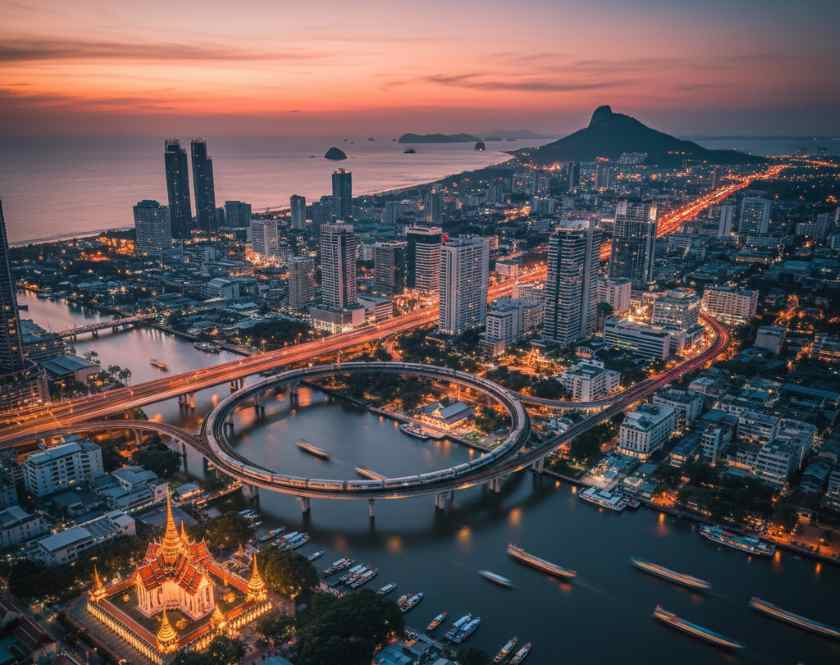
Nakhon Phanom, a city in northeastern Thailand, has transformed into a significant hub for spiritual tourism, particularly in the wake of the COVID-19 pandemic. This shift marks a change from its previous role as merely a crossing point and gateway to Laos. The city now attracts both locals and foreigners seeking spiritual refreshment and inner peace. This transformation has spurred economic growth in the region, with restaurants and hotels experiencing high occupancy rates, and local small businesses benefiting from increased activity. The article highlights the growing importance of Mū Tourism in the spiritual journey of travelers, emphasizing the city’s role in providing a serene environment for spiritual rejuvenation.
Key Points:
Actionable Takeaways:
Investment in Spiritual Tourism Infrastructure: Given the surge in spiritual tourism, there is an opportunity for investors to focus on developing infrastructure and facilities that cater to this niche market. This could include luxury meditation retreats, eco-friendly spiritual retreat centers, and wellness spas, all of which align with the growing demand for spiritual refreshment and inner peace.
Leveraging Digital Platforms for Spiritual Travel: The article underscores the importance of spiritual tourism in the post-pandemic era. Travel companies and startups can capitalize on this trend by developing digital platforms that facilitate spiritual travel planning. These platforms could offer personalized itineraries, virtual meditation sessions, and access to spiritual guides, thereby enhancing the travel experience for seekers of inner peace.
Promoting Sustainable Tourism Practices: As Nakhon Phanom attracts more visitors, there is a pressing need for sustainable tourism practices to minimize environmental impact. Travel companies can adopt eco-friendly initiatives such as waste reduction, energy conservation, and community engagement programs. This not only aligns with global sustainability trends but also appeals to environmentally conscious travelers, potentially increasing the city’s appeal as a spiritual tourism destination.
Contextual Insights:
The transformation of Nakhon Phanom into a spiritual tourism hub reflects broader trends in the travel industry, where there is a growing demand for meaningful and transformative travel experiences. The post-COVID-19 era has seen a shift towards wellness and spiritual rejuvenation, with travelers prioritizing destinations that offer opportunities for self-discovery and relaxation. This shift aligns with the rise of Mū Tourism, which emphasizes spiritual growth and mindfulness. Thought leaders in the travel industry are increasingly recognizing the potential of spiritual tourism to drive economic growth and foster cultural exchange. By focusing on spiritual tourism, destinations like Nakhon Phanom can tap into a niche market that values authenticity, tranquility, and personal growth, thereby enhancing their appeal to a diverse range of travelers.
Read the Complete Article.
Get curated travel AI insights — choose the newsletters that matter to you.
This spot is reserved for brands with a compelling story for the travel trade. They use this space to cut...
Read moreDetailsTravel One Technologies launches the world’s first Traveler DNA Platform, targeting the structural data gap at the core of an...
Read moreDetails