







No products in the cart.
- Latest
- Trending


Lee Hyun-sook, South Korean civic activist
Article Summary:
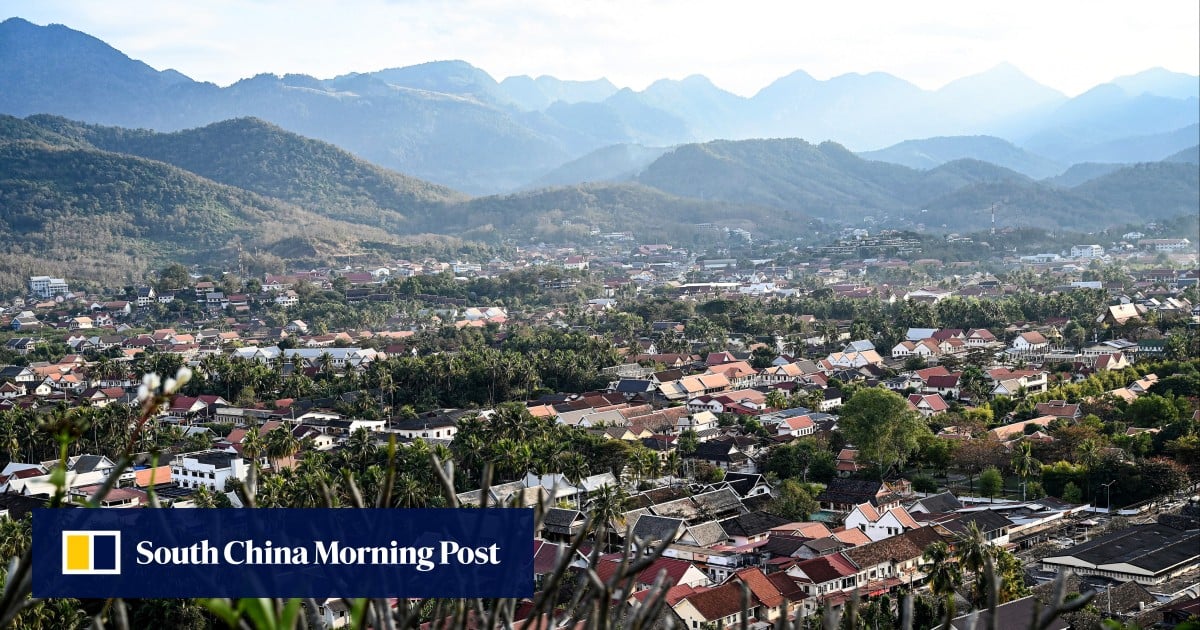
A civic group in South Korea has expressed concern over reports of Korean men engaging in organized sex tourism in Laos. Some of these men are reportedly renting long-term housing in major cities to facilitate the purchase of sex. Activists warn that this trend is pushing up local rents. Lee Hyun-sook, head of the civic group Tacteen Naeil, revealed these findings during a CBS Radio interview. Her group monitors online chat rooms and Telegram channels that share information about prostitution, noting that Korean men have become major customers at sex establishments in Laos.
Key Points:
Actionable Takeaways:
Contextual Insights:
The article highlights a concerning trend of organized sex tourism involving Korean men in Laos, which is not only raising ethical and safety concerns but also has economic implications for the local communities. This trend underscores the need for enhanced monitoring and regulatory measures to protect vulnerable individuals and ensure sustainable tourism practices. In the broader context of the travel industry, this situation highlights the importance of responsible tourism and the role of civic groups and regulatory bodies in safeguarding against illegal activities. As the travel industry continues to evolve, addressing such issues will be crucial for maintaining the integrity and sustainability of tourism destinations.
Read the Complete Article.
Get curated travel AI insights — choose the newsletters that matter to you.
This spot is reserved for brands with a compelling story for the travel trade. They use this space to cut...
Read moreDetailsTravel One Technologies launches the world’s first Traveler DNA Platform, targeting the structural data gap at the core of an...
Read moreDetails