


No products in the cart.
- Latest
- Trending

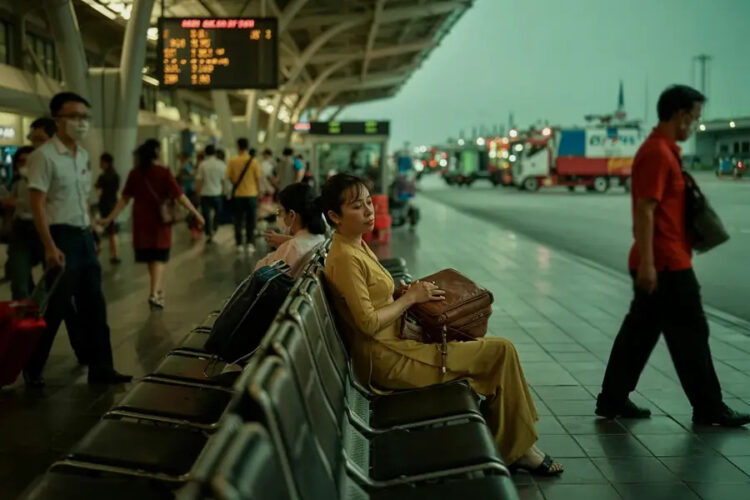
Vietnam Joins Cambodia, Thailand, Philippines, Myanmar, and Indonesia in Navigating Tourism Chaos as...
Comprehensive Summarization:
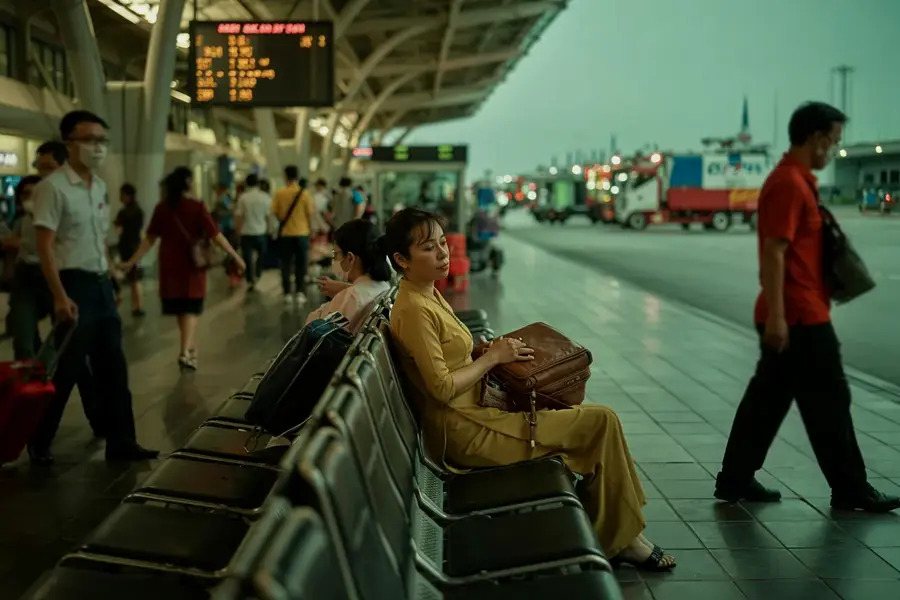
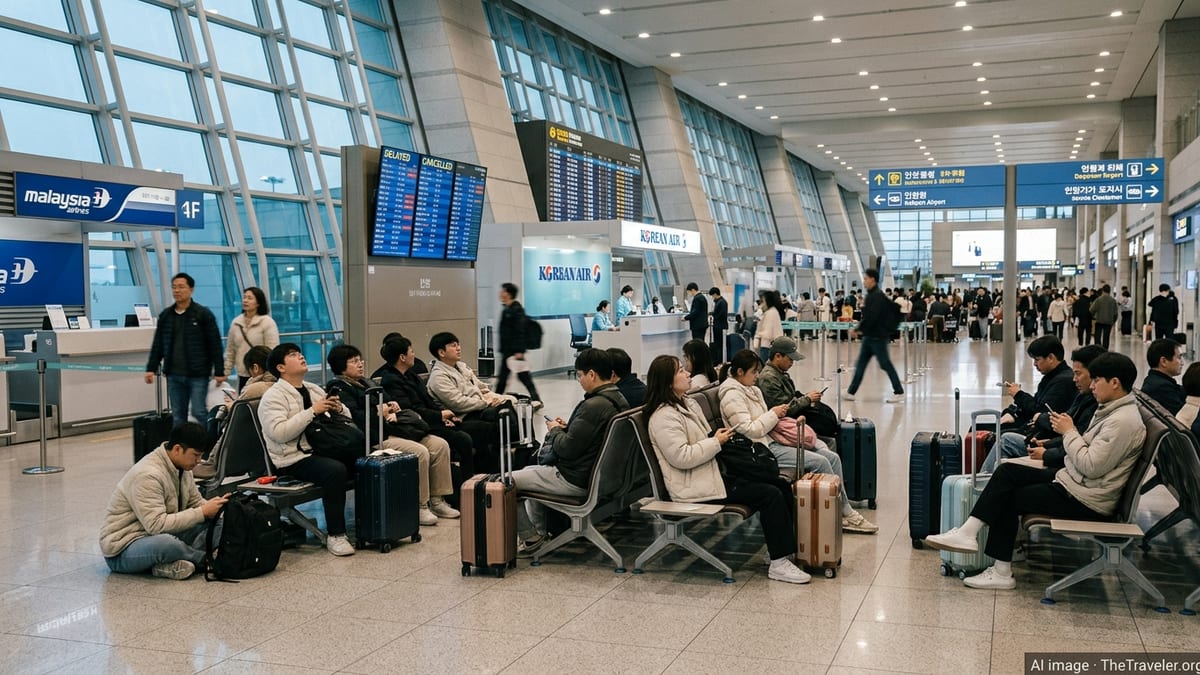
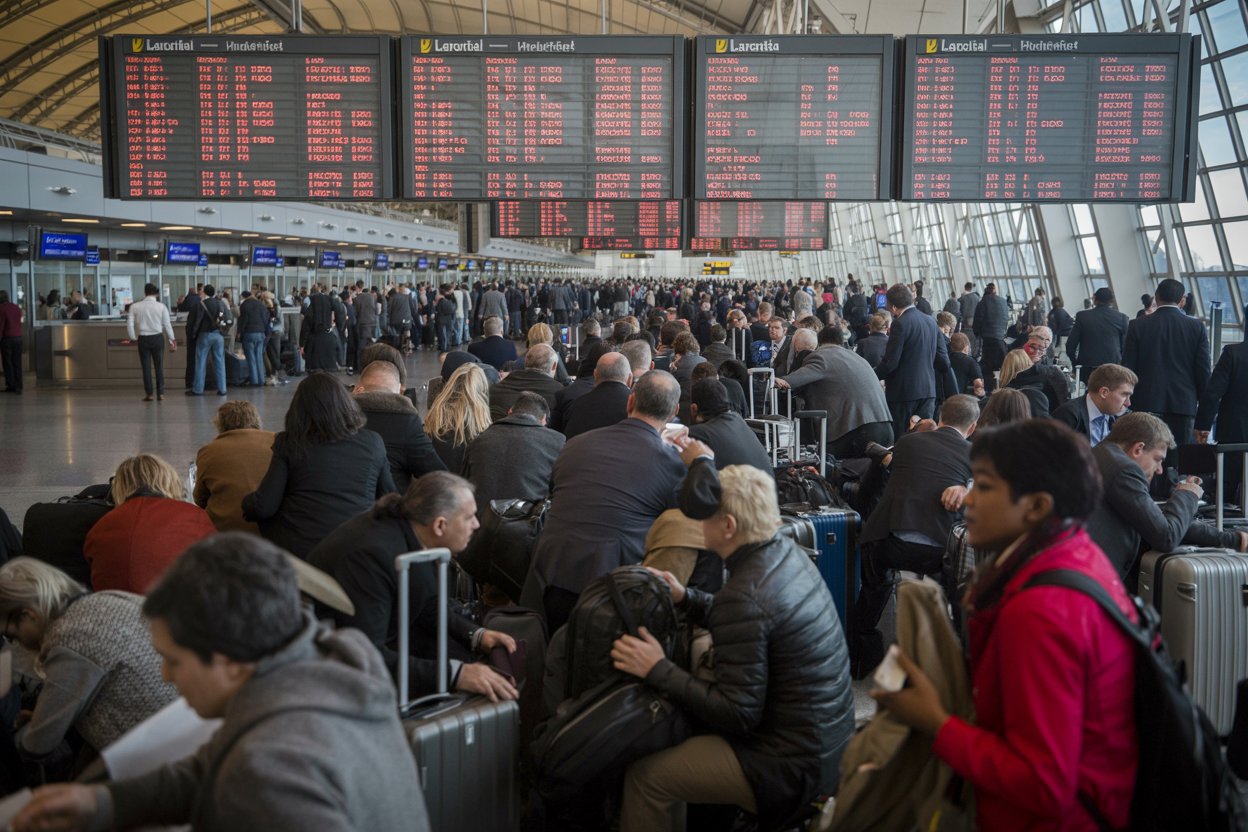
The article highlights the growing tourism chaos in Southeast Asia, with Vietnam joining a list of countries including Cambodia, Thailand, the Philippines, Myanmar, and Indonesia. This turmoil is primarily driven by the Gulf War, which has led to historic fuel shortages, soaring prices, and severely limited transportation options across the region. The conflict has disrupted vital supply chains, causing fuel prices to skyrocket and leaving many countries dependent on air and land travel struggling to maintain services. Consequently, travel has become increasingly challenging and costly in the area, impacting both local and international tourism.
Key Points:
Actionable Takeaways:
Contextual Insights:
The article reflects the current vulnerability of the travel industry to geopolitical events, particularly those involving fuel supply and transportation logistics. The Gulf War’s impact on Southeast Asia underscores the interconnectedness of global supply chains and the potential for rapid escalation of travel disruptions. This situation highlights the need for the industry to adopt more agile and resilient strategies, such as diversifying transportation options and enhancing supply chain resilience. As travel tech and fintech continue to evolve, innovations in these areas could play a crucial role in mitigating the effects of such disruptions, enabling more seamless and cost-effective travel experiences despite external challenges.
Read the Complete Article.
Get curated travel AI insights — choose the newsletters that matter to you.
This spot is reserved for brands with a compelling story for the travel trade. They use this space to cut...
Read moreDetailsTravel One Technologies launches the world’s first Traveler DNA Platform, targeting the structural data gap at the core of an...
Read moreDetails