











No products in the cart.
- Latest
- Trending

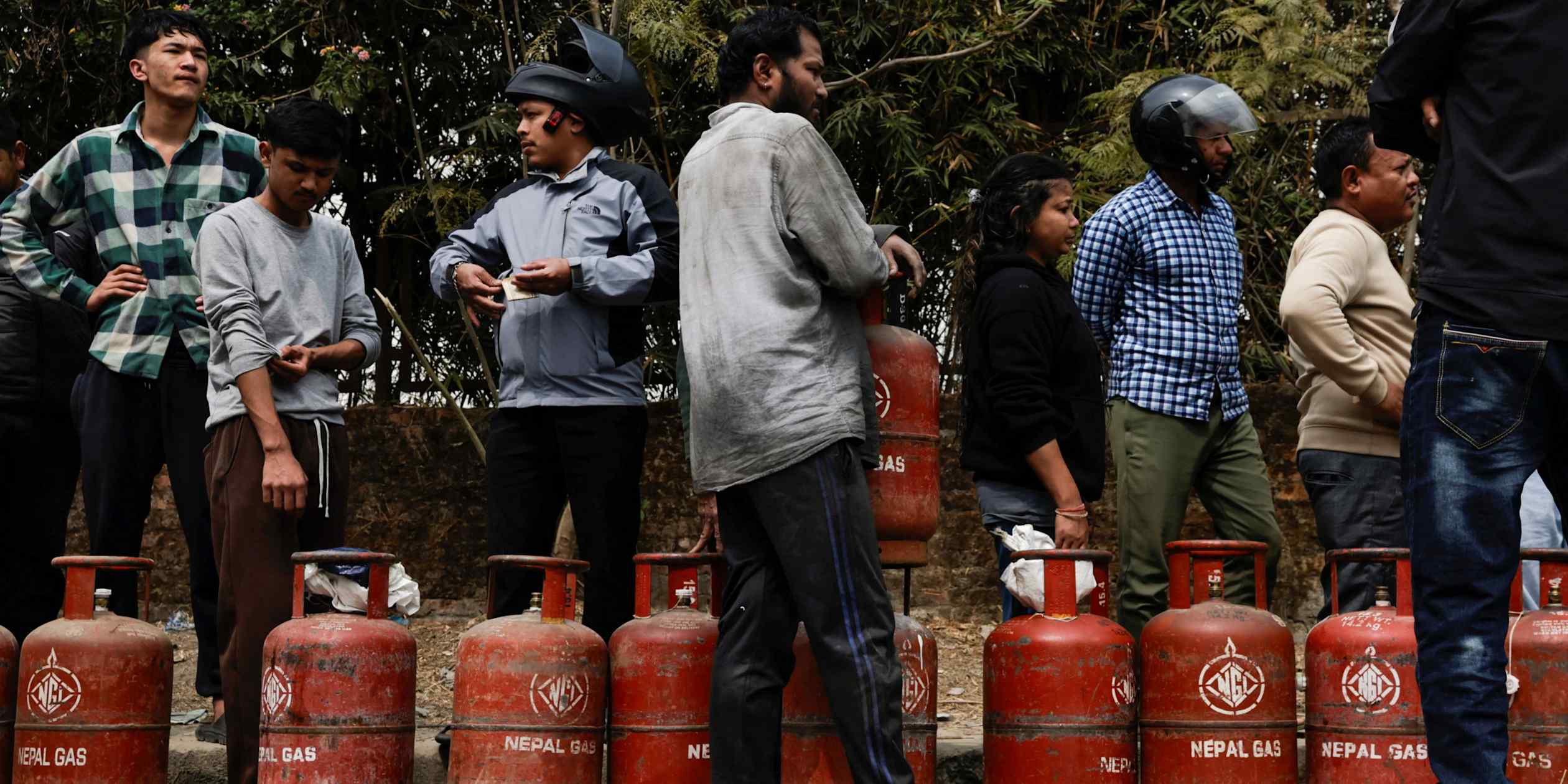
Iran war strikes Nepal's economy with '4 or 5 shocks at same time'
Comprehensive Summarization:
The article discusses the impact of Iran tensions and rising fuel costs on Nepal’s economy, particularly focusing on the challenges faced by the nation during peak tourism season. These tensions are straining various sectors, including migrant workers, restaurant operations, and the tourism industry, which heavily relies on remittances and fuel imports. The situation is exacerbated by the sudden surge in fuel costs, leading to disruptions in flights and other travel-related activities. The article highlights the vulnerability of Nepal’s economy to geopolitical events and economic shocks, emphasizing the need for resilient strategies to mitigate such impacts.
Key Points:
Actionable Takeaways:
Diversify Energy Sources: Nepal should explore diversifying its energy sources to reduce dependency on fuel imports, thereby mitigating the impact of fuel cost surges. This could involve investing in renewable energy projects to ensure a stable and secure energy supply.
Strengthen Tourism Infrastructure: Given the critical role of tourism in Nepal’s economy, enhancing infrastructure resilience is essential. This includes improving airport facilities, transportation networks, and accommodation services to handle potential disruptions more effectively during peak seasons.
Enhance Economic Diversification: To reduce vulnerability to geopolitical events, Nepal should focus on diversifying its economy. Encouraging growth in sectors such as agriculture, manufacturing, and technology can provide a buffer against external shocks and ensure more stable economic growth.
Contextual Insights:
The article underscores the interconnectedness of geopolitical events and economic stability, particularly in nations heavily reliant on specific imports and tourism. The current situation in Nepal serves as a cautionary tale for other countries with similar economic dependencies. As the travel industry continues to evolve, with increasing focus on sustainability and resilience, it is crucial for stakeholders to adopt forward-looking strategies. Innovations in travel tech, such as digital payment solutions and sustainable tourism platforms, can play a pivotal role in enhancing operational efficiency and reducing vulnerability to external shocks. Furthermore, fostering partnerships between governments, private sector entities, and international organizations can facilitate knowledge sharing and collaborative efforts to build more resilient economies.
Read the Complete Article.
Get curated travel AI insights — choose the newsletters that matter to you.
This spot is reserved for brands with a compelling story for the travel trade. They use this space to cut...
Read moreDetailsTravel One Technologies launches the world’s first Traveler DNA Platform, targeting the structural data gap at the core of an...
Read moreDetails