










Sail Through Time: Discover the Timeless Wonders of Upper Egypt Aboard Kenzy Dahabeya
Experience the magic of the Nile aboard Kenzy Dahabeya, a luxury boutique sailing cruise that offers an unforgettable journey between...
Read moreDetails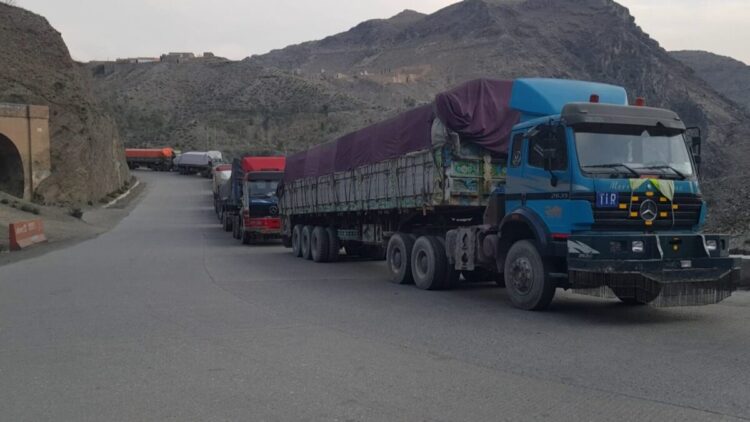
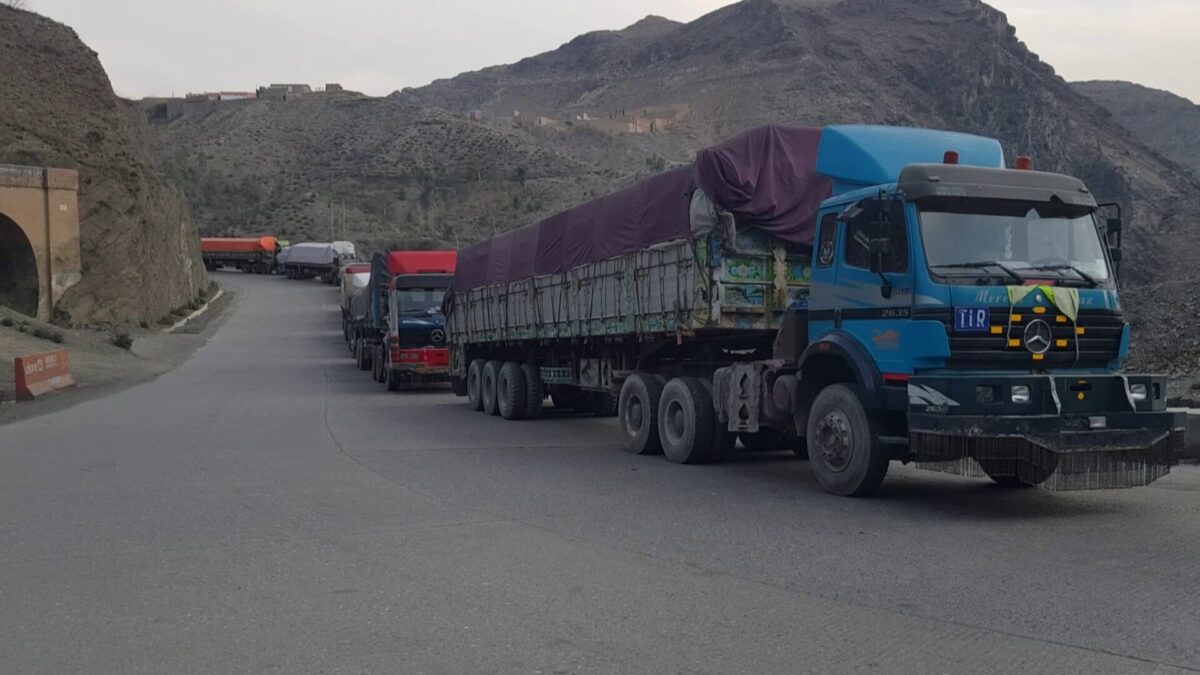
Afghanistan–Pakistan border crossings remain shut for 50th day as trade and travel grind to a halt
Article Summary:
The article reports that border crossings between Afghanistan and Pakistan have been closed for 50 days, severely impacting trade, daily income for workers, and leaving thousands of travelers stranded. Major crossings such as Spin Boldak, Ghulam Khan, Angoor Adda, and Chaman remain shut. Pakistan has partially opened Torkham crossing but only for one-way expulsions of Afghan migrants. There is no indication of a near-term reopening from either Islamabad or Kabul.
Key Points:
Actionable Takeaways:
Contextual Insights:
The closure of border crossings between Afghanistan and Pakistan is a significant development that reflects ongoing geopolitical tensions and security concerns in the region. The prolonged closure has not only disrupted trade but also highlighted the vulnerability of economies that rely heavily on cross-border commerce. From a travel industry perspective, this situation underscores the importance of robust border management and the potential long-term effects of such disruptions on tourism and business travel.
In the context of current travel trends, the article suggests that the travel industry must be prepared for increased volatility and uncertainty, particularly in regions with unstable border conditions. Thought leaders in the travel sector are likely to emphasize the need for flexible travel policies, enhanced digital solutions for border crossing, and stronger partnerships with governments to ensure the safety and security of travelers. The article also points to the potential for increased reliance on technology and innovation to mitigate the impact of such disruptions, such as the use of digital documentation and secure payment systems for cross-border transactions.
Read the Complete Article.
Experience the magic of the Nile aboard Kenzy Dahabeya, a luxury boutique sailing cruise that offers an unforgettable journey between...
Read moreDetails



