











Sail Through Time: Discover the Timeless Wonders of Upper Egypt Aboard Kenzy Dahabeya
Experience the magic of the Nile aboard Kenzy Dahabeya, a luxury boutique sailing cruise that offers an unforgettable journey between...
Read moreDetails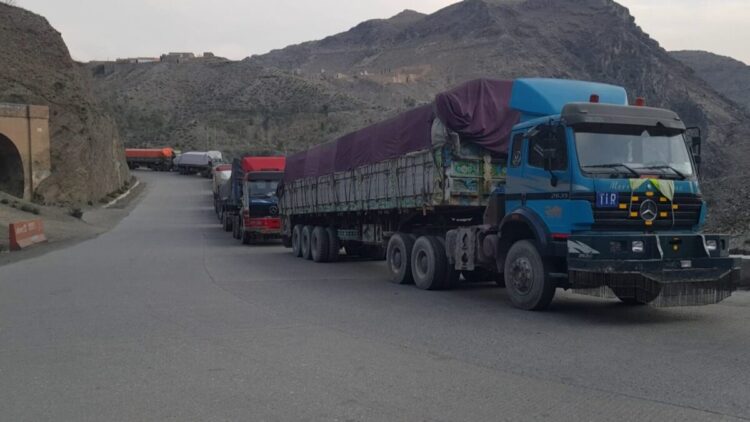
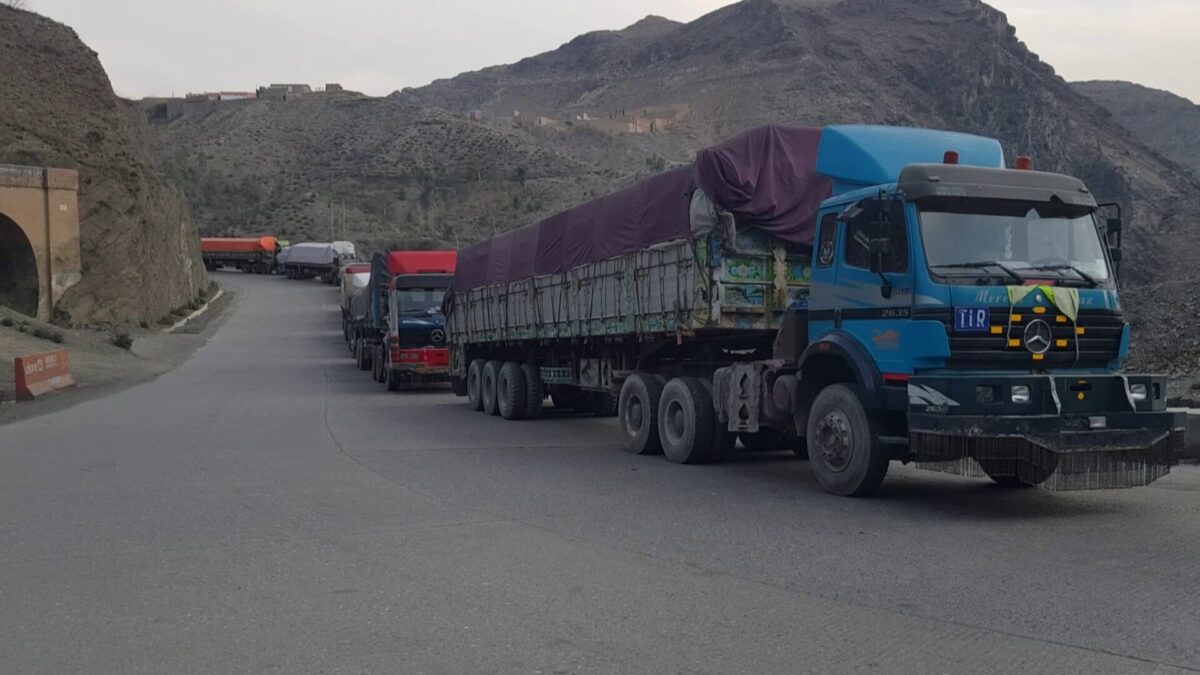
Afghanistan–Pakistan border crossings remain shut for 50th day as trade and travel grind to a halt
Article Summary:
The article reports that border crossings between Afghanistan and Pakistan have been closed for 50 days, severely impacting trade, daily income for workers, and leaving thousands of travelers stranded. Major crossings such as Spin Boldak, Ghulam Khan, Angoor Adda, and Chaman remain shut. Pakistan has partially opened Torkham crossing but only for one-way expulsions of Afghan migrants. There is no indication of a near-term reopening from either Islamabad or Kabul.
Key Points:
Actionable Takeaways:
Contextual Insights:
The closure of these border crossings is a significant development in the context of the ongoing geopolitical tensions between Afghanistan and Pakistan. It underscores the vulnerability of cross-border trade and the challenges faced by travelers and businesses in regions affected by such disputes. From a travel tech perspective, this situation highlights the importance of developing contingency plans and alternative logistics solutions to mitigate the impact of such disruptions. The article also aligns with the broader trend of increased focus on border security and control, which is likely to influence future travel policies and regulations in the region. Stakeholders should stay informed about diplomatic developments and be prepared to adapt their strategies accordingly to navigate the evolving travel landscape.
Read the Complete Article.
Experience the magic of the Nile aboard Kenzy Dahabeya, a luxury boutique sailing cruise that offers an unforgettable journey between...
Read moreDetails



