













Sail Through Time: Discover the Timeless Wonders of Upper Egypt Aboard Kenzy Dahabeya
Experience the magic of the Nile aboard Kenzy Dahabeya, a luxury boutique sailing cruise that offers an unforgettable journey between...
Read moreDetails
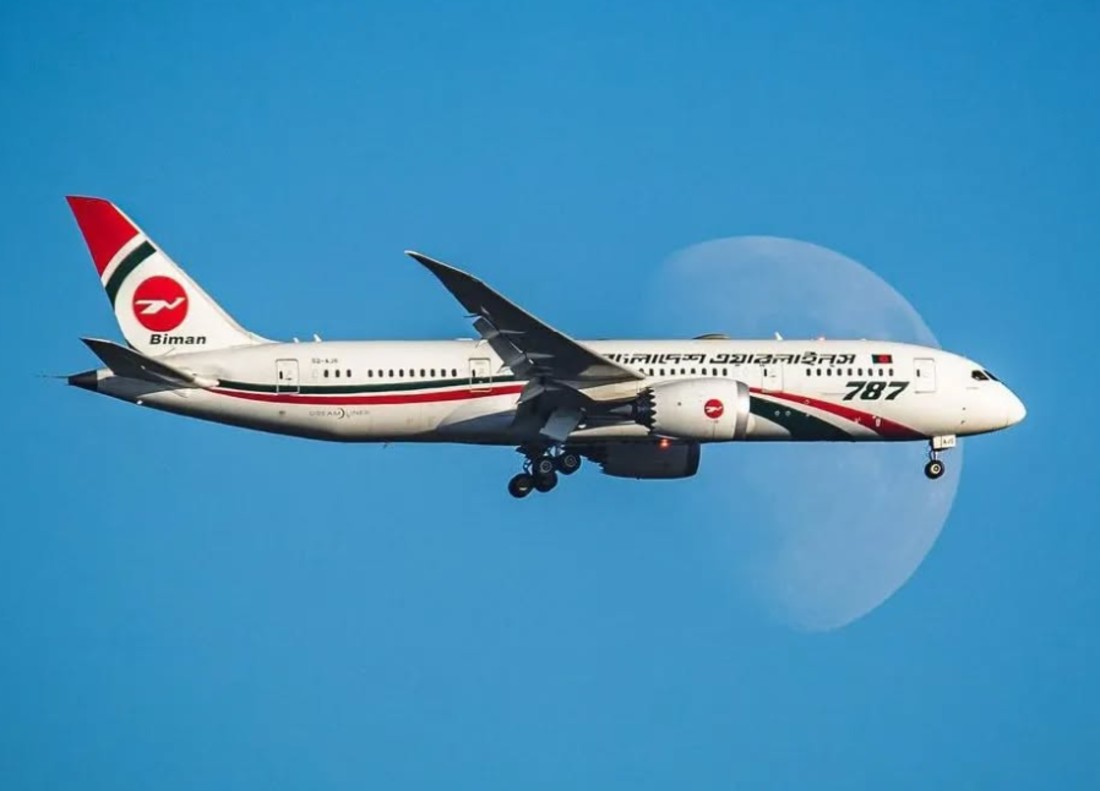
Biman Airways Receives Approval for the Direct Flights in Dhaka to Karachi Route, Strengthening Thei...
Article Summary:
Biman Airways, the national airline of Bangladesh, has received approval from the Civil Aviation Authority of Pakistan to operate direct flights between Dhaka and Karachi until March 30, 2026. This development is expected to strengthen travel and tourism ties between Bangladesh and Pakistan, serving as a direct link between the cultural and economic hubs of both countries.
Key Points:
Actionable Takeaways:
Contextual Insights:
The approval of direct flights between Dhaka and Karachi is a significant development in the travel industry, particularly for the Bangladesh-Pakistan corridor. This route is expected to strengthen the cultural and economic ties between the two countries, which have historically had strong connections. The flights are timely, considering the growing interest in intra-regional travel and tourism. This move aligns with the broader trend of increasing air connectivity in the Asia-Pacific region, driven by the growing middle class and rising disposable incomes. Furthermore, the development could have implications for travel startups and fintech innovations, as increased travel could lead to new opportunities in areas such as travel booking platforms, currency exchange services, and travel insurance.
Read the Complete Article.
Experience the magic of the Nile aboard Kenzy Dahabeya, a luxury boutique sailing cruise that offers an unforgettable journey between...
Read moreDetails



