











Sail Through Time: Discover the Timeless Wonders of Upper Egypt Aboard Kenzy Dahabeya
Experience the magic of the Nile aboard Kenzy Dahabeya, a luxury boutique sailing cruise that offers an unforgettable journey between...
Read moreDetails
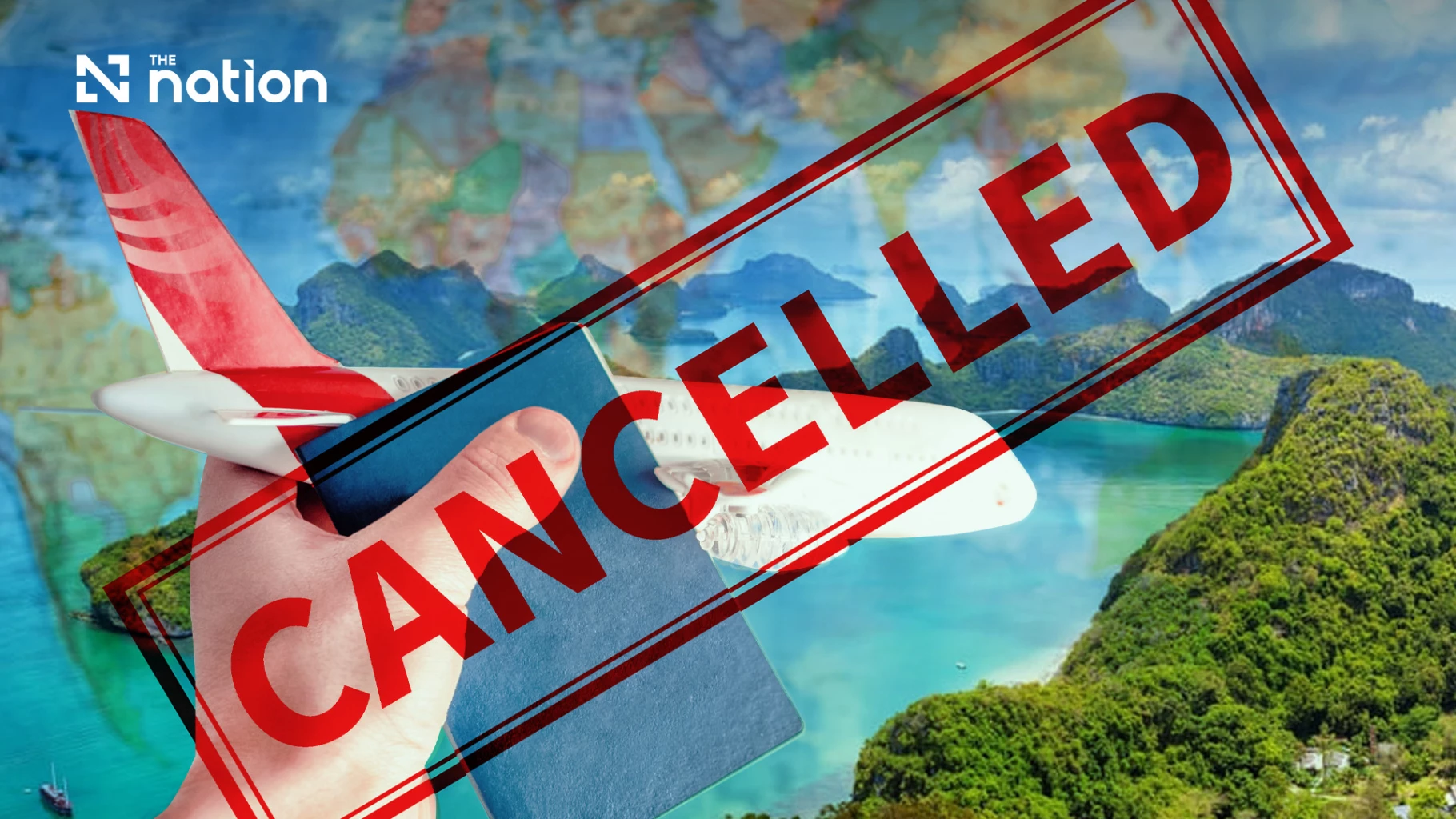
Pakistan Extends Airspace Ban on Indian Aircrafts: What Travelers and Tourism Operators Need to Know
Pakistan has announced a significant extension of its airspace ban on Indian aircraft, a decision that continues to ripple through the global aviation and travel industries. This ongoing restriction, first imposed in February 2019, has been further prolonged, impacting flight routes, passenger travel, and the economic viability of airlines and tour operators. Understanding the implications of this extended ban is crucial for anyone planning international travel or operating within the affected regions.
The primary consequence of Pakistan’s extended airspace closure is the rerouting of numerous flights. Airlines operating between Europe and Southeast Asia, as well as those connecting the Middle East to North India, are forced to take longer and more circuitous routes. This not only increases flight times but also incurs additional fuel costs for airlines, which can ultimately translate into higher ticket prices for passengers. The extended routes often bypass Pakistan’s airspace entirely, leading to less direct travel for a considerable number of individuals.
For travelers, this means potential disruptions and increased travel expenses. Those flying to or from destinations like Delhi, Mumbai, or other major Indian cities from Western hubs might experience longer journeys and potentially more expensive flights. It is advisable for passengers to check their flight itineraries carefully and stay updated with any potential changes or delays announced by their respective airlines. Flexibility in travel dates and destinations may become more important for navigating these extended travel times.
Tourism operators, particularly those focusing on inbound or outbound travel involving India and the West, face significant challenges. The altered flight paths can make it less appealing or more logistically complex to offer packages that were once popular. This can impact tour bookings, particularly for specialized itineraries that relied on efficient connections. The industry must adapt by exploring alternative routing options, adjusting marketing strategies, and potentially developing new tour products that are less affected by these airspace restrictions. Collaboration with airlines to identify cost-effective alternatives or to lobby for a resolution could also be beneficial.
The geopolitical underpinnings of this ban, stemming from the strained relations between India and Pakistan, continue to dictate aviation policy in the region. While the ban remains in place, the long-term implications for regional connectivity and the broader travel ecosystem are considerable. The economic impact on airlines is substantial, with significant increases in operational costs due to extended flight paths. The decision highlights the interconnectedness of international relations and the global travel industry, where political decisions can have a tangible impact on millions of travelers and businesses worldwide. Continued monitoring of the situation and proactive adjustments by industry stakeholders will be essential to mitigate the ongoing effects of this extended airspace ban.
Key Points
Read the Complete Article.
Experience the magic of the Nile aboard Kenzy Dahabeya, a luxury boutique sailing cruise that offers an unforgettable journey between...
Read moreDetails



