










Sail Through Time: Discover the Timeless Wonders of Upper Egypt Aboard Kenzy Dahabeya
Experience the magic of the Nile aboard Kenzy Dahabeya, a luxury boutique sailing cruise that offers an unforgettable journey between...
Read moreDetails
Pakistan Completes Landmark Privatization of Pakistan International Airlines, Signaling a New Era fo...
Article Summary:
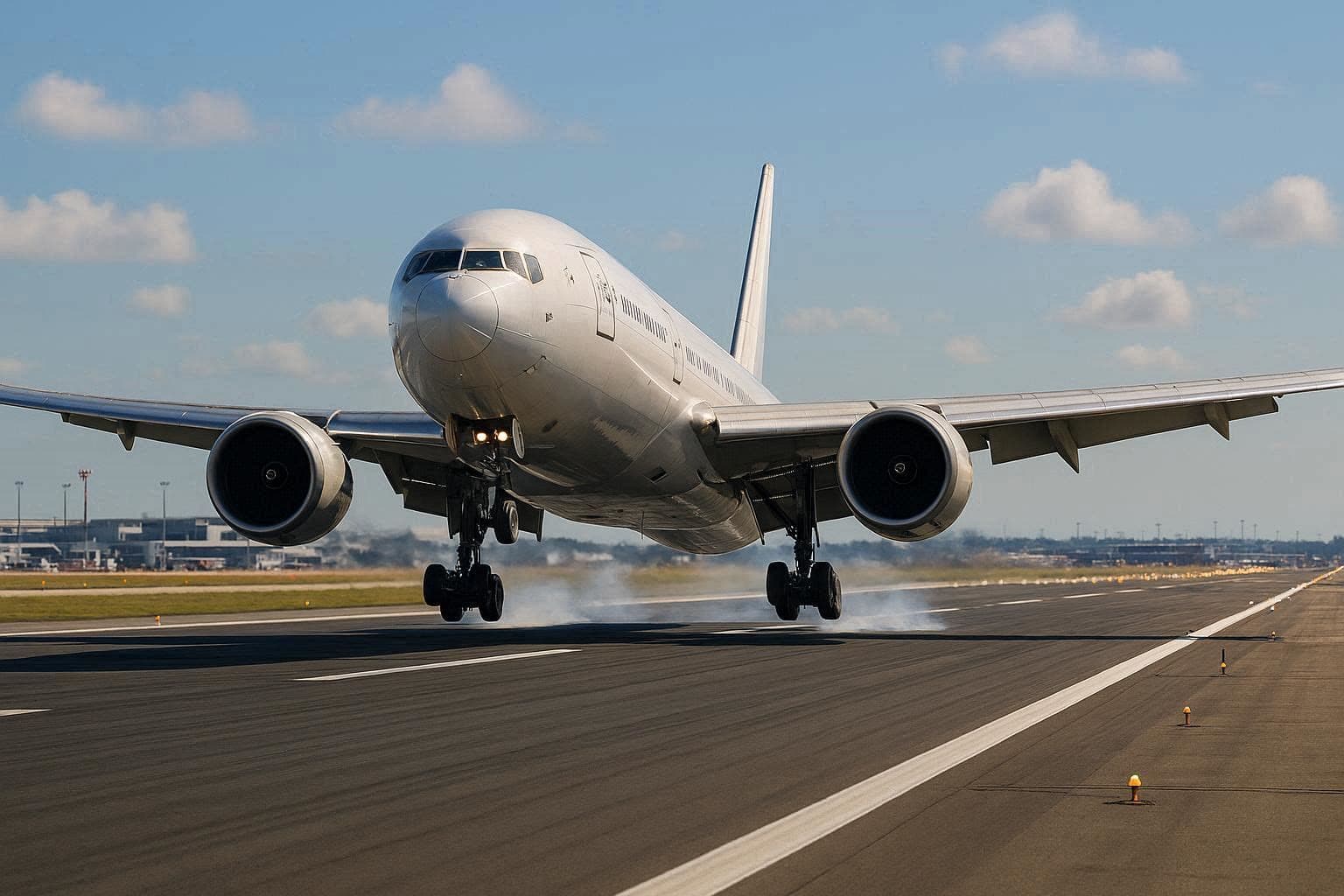
The article reports on the successful privatization of Pakistan International Airlines (PIA), marking a significant economic reform in Pakistan’s aviation sector. After decades of state ownership, the national carrier has been transferred to private investors, signaling a new era for travel and tourism in Pakistan and South Asia. This transaction, valued, is seen as one of the most consequential reforms in Pakistan’s modern history, aiming to address the carrier’s financial stress and operational inefficiencies.
Key Points:
Actionable Takeaways:
Contextual Insights:
The privatization of PIA is a significant development in the context of Pakistan’s economic reforms and its efforts to revitalize the aviation sector. This move aligns with broader trends in the travel industry towards privatization and market-driven efficiencies. The article reflects the ongoing transformation in the travel and tourism sector, where privatization is increasingly seen as a means to address inefficiencies and stimulate growth. Furthermore, the article highlights the interconnectedness of the aviation sector with broader economic trends in South Asia, underscoring the potential for regional economic benefits from this reform.
Read the Complete Article.
Experience the magic of the Nile aboard Kenzy Dahabeya, a luxury boutique sailing cruise that offers an unforgettable journey between...
Read moreDetails



