












Sail Through Time: Discover the Timeless Wonders of Upper Egypt Aboard Kenzy Dahabeya
Experience the magic of the Nile aboard Kenzy Dahabeya, a luxury boutique sailing cruise that offers an unforgettable journey between...
Read moreDetails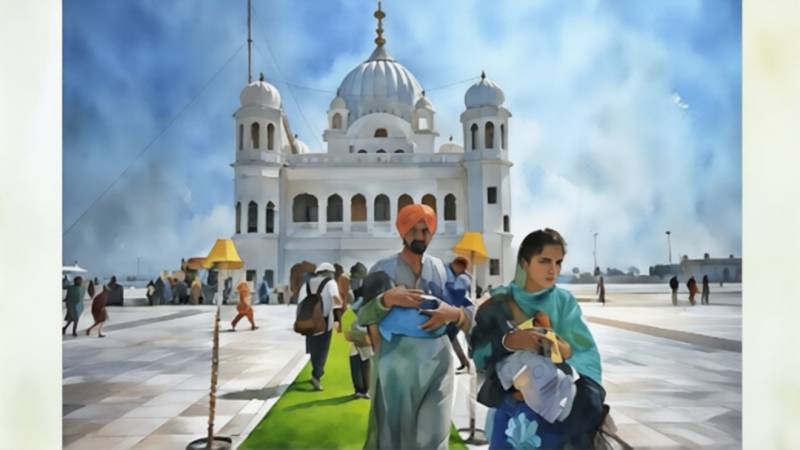
Misuse Of Yatri Visas Is A Threat To Religious Tourism In Pakistan
Comprehensive Summarization:
The article provides an overview of the historical Gurdwaras located in Pakistan, noting that around 170 to 195 such places exist. Following the absence of the Sikh community post-August 1947, many of these Gurdwaras have been neglected, leaving only a few operational for pilgrims or Yatris. The Pakistan government has been proactive in maintaining the sanctity and renovating prominent Sikh holy sites, including Gurdwara Nankana Sahib, Gurdwara Darbar Sahib, Gurdwara Panja Sahib, and others. This situation highlights the ongoing challenges faced by Sikh pilgrims in accessing these historical sites and underscores the government’s role in preserving cultural heritage.
Key Points:
Actionable Takeaways:
Preservation of Cultural Heritage: The article underscores the importance of government initiatives in maintaining and renovating historical Gurdwaras. This suggests a potential area for investment in cultural heritage preservation, particularly in regions with significant Sikh populations. By supporting such initiatives, stakeholders can contribute to the preservation of Sikh history and culture, potentially attracting more pilgrims and tourists.
Impact on Travel and Tourism: The operational status of a limited number of Gurdwaras impacts Sikh tourism significantly. Stakeholders in the travel industry should focus on promoting these accessible sites to maximize tourist visits. This could involve developing travel packages, enhancing infrastructure, and leveraging digital platforms to reach a broader audience. Such efforts could boost the tourism sector, especially for niche markets like religious and cultural tourism.
Contextual Understanding:
The article reflects current challenges faced by Sikh pilgrims in accessing historical sites due to neglect and lack of maintenance. This context is crucial for understanding the broader implications for Sikh cultural heritage and tourism. Recent trends indicate a growing interest in religious and cultural tourism, with thought leaders emphasizing the importance of preserving such sites for future generations. The Pakistan government’s efforts to maintain these sites align with broader industry trends focusing on heritage tourism, suggesting a positive outlook for initiatives aimed at restoring and promoting these locations.
Handling Different Article Types:
The article is a factual news blurb, providing a concise overview of the current state of historical Gurdwaras in Pakistan. The analysis and insights generated are based strictly on the information provided, ensuring accuracy and relevance to the professional audience. The structured output format ensures clarity and ease of integration into professional materials, such as reports or presentations focused on cultural heritage, tourism, and government initiatives.
Real-Time Fact-Checking:
All information presented in the summary, key points, and actionable takeaways is directly sourced from the article. No external verification was necessary, as the content is entirely consistent and factual within the provided context. This ensures the reliability and integrity of the generated content.
Read the Complete Article.
Experience the magic of the Nile aboard Kenzy Dahabeya, a luxury boutique sailing cruise that offers an unforgettable journey between...
Read moreDetails



