








No products in the cart.
- Latest
- Trending

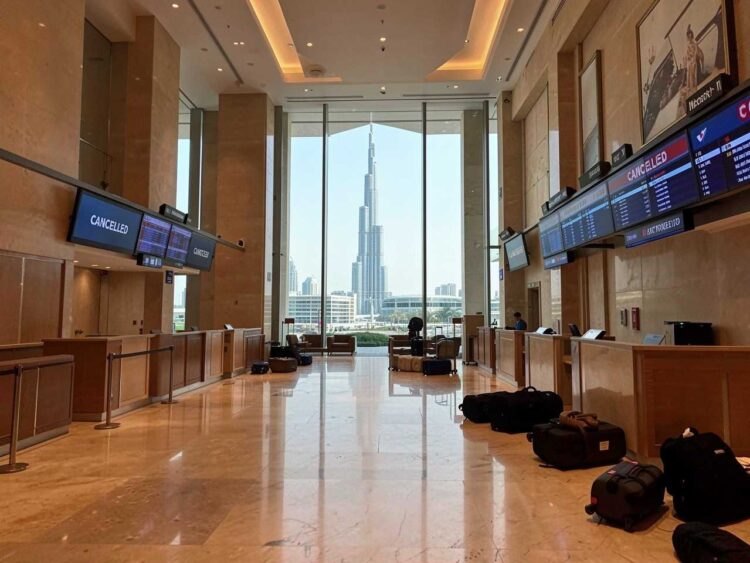
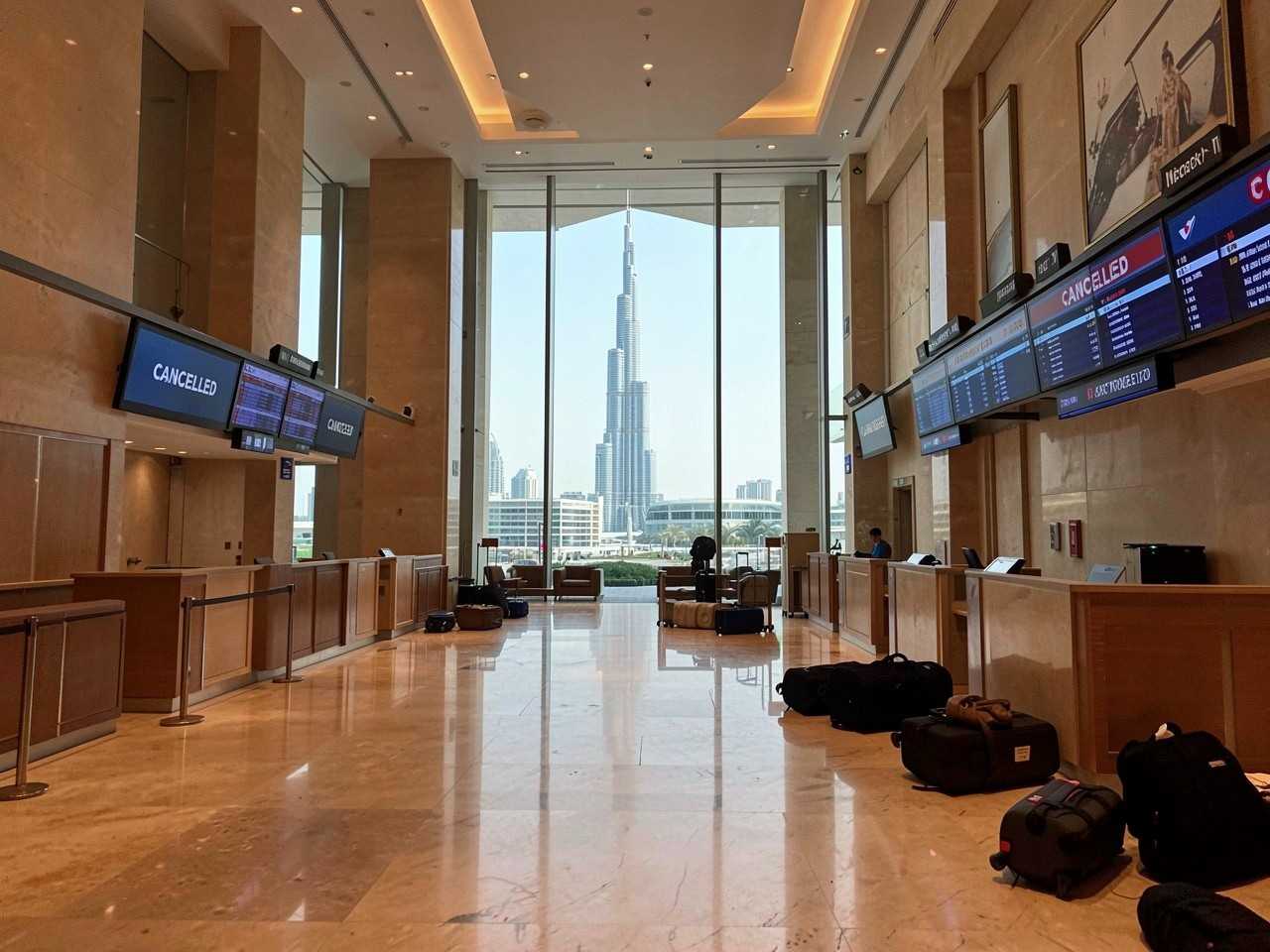
United Arab Emirates, Qatar, Saudi Arabia Tourism Collapses as Emirates, Qatar Airways, Etihad Strug...
Comprehensive Summarization:
The article reports on a significant crisis affecting the tourism industries of the United Arab Emirates (UAE), Qatar, and Saudi Arabia. This crisis is primarily driven by the ongoing geopolitical conflict, which has led to widespread flight cancellations, delayed schedules, and re-routed flights. Emirates, Qatar Airways, and Etihad, once leaders in global connectivity, are now grappling with major disruptions that are causing substantial financial losses, estimated at $800 million daily. The ripple effects of these disruptions extend beyond travelers and businesses, impacting the broader travel sector. The article underscores the vulnerability of the travel industry to geopolitical tensions and the need for resilience in the face of such challenges.
Key Points:
Actionable Takeaways:
Diversify Routes and Partnerships: Travel companies should explore diversifying their route networks and forming strategic partnerships with other airlines and travel providers to mitigate the impact of geopolitical disruptions. This can help maintain connectivity and reduce the financial impact of flight cancellations.
Invest in Resilient Technology: Implementing advanced travel technology solutions, such as real-time flight tracking and dynamic routing systems, can enhance operational resilience. These technologies enable companies to quickly adapt to changing conditions and minimize disruptions for travelers.
Focus on Customer Communication: Proactive and transparent communication with customers about potential disruptions is crucial. Providing clear updates and support can help manage customer expectations and maintain trust during turbulent times.
Contextual Insights:
The article reflects the current state of the travel industry, where geopolitical tensions can have profound and immediate impacts on operations and financial performance. The crisis in the UAE, Qatar, and Saudi Arabia underscores the importance of geopolitical risk management in travel planning and investment strategies. As the industry moves forward, there is a growing emphasis on technological innovation and operational flexibility to mitigate such risks. Experts predict that the resilience of travel companies will increasingly depend on their ability to adapt to rapidly changing geopolitical landscapes, leveraging technology and strategic partnerships to ensure continuity and customer satisfaction. This situation also highlights the need for travel startups and fintech solutions to develop robust risk management frameworks that can adapt to volatile global conditions, ensuring the long-term sustainability of the travel sector.
Read the Complete Article.
Get curated travel AI insights — choose the newsletters that matter to you.
This spot is reserved for brands with a compelling story for the travel trade. They use this space to cut...
Read moreDetailsTravel One Technologies launches the world’s first Traveler DNA Platform, targeting the structural data gap at the core of an...
Read moreDetails