




No products in the cart.
- Latest
- Trending

Comprehensive Summarization:
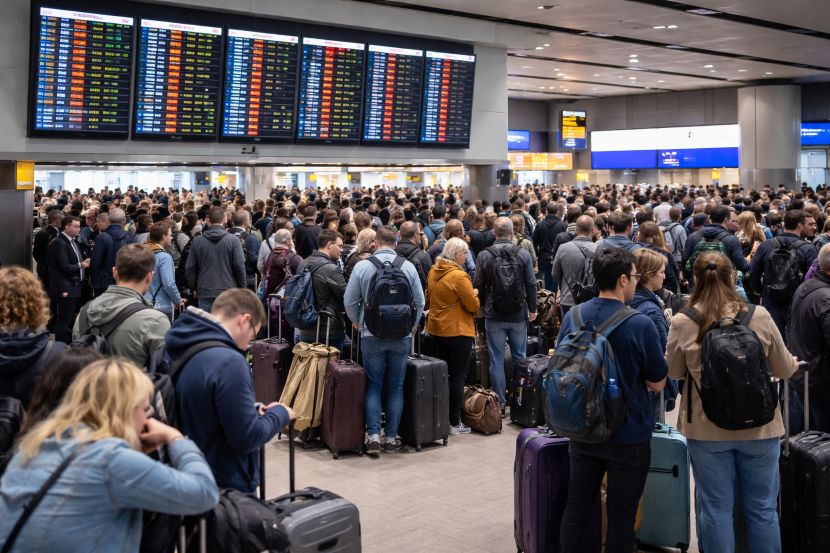
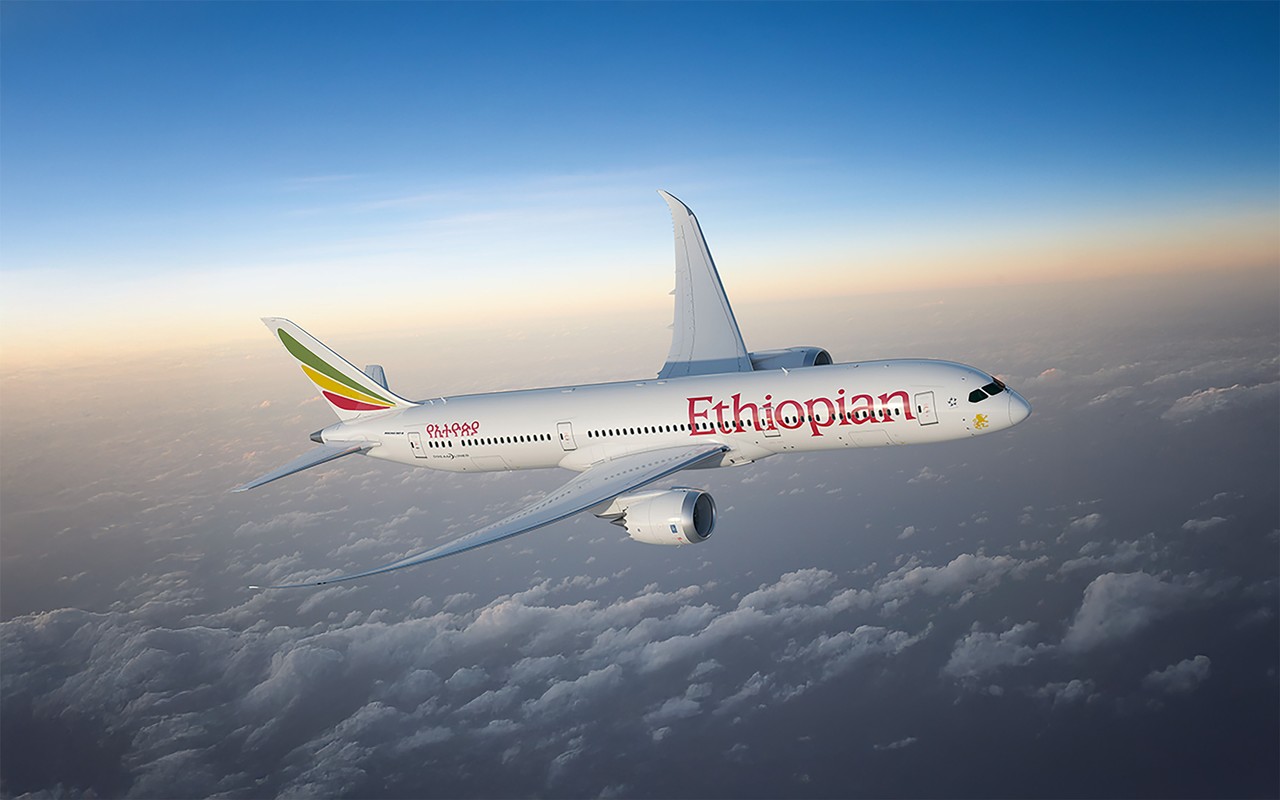
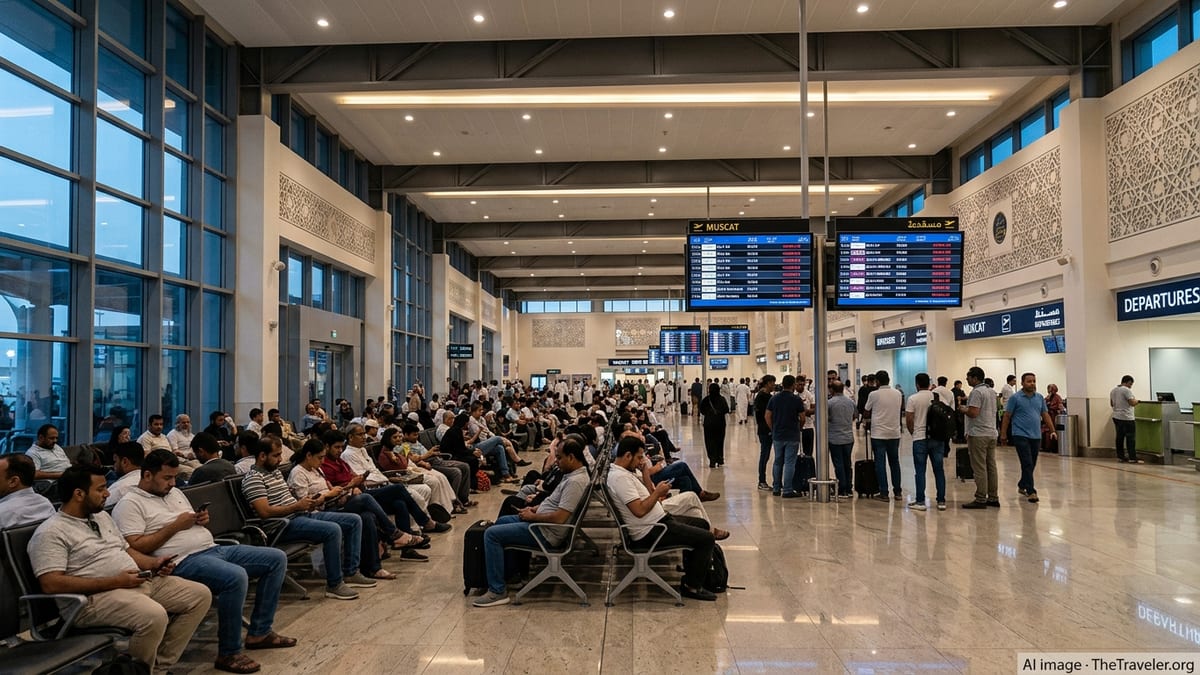
The article highlights the impending challenges faced by Thailand, Malaysia, and Singapore in their tourism industries due to escalating geopolitical tensions in the Middle East. These countries are experiencing disruptions in global aviation, including airspace restrictions, longer flight durations, and rising fuel costs. As major tourism destinations, particularly for travelers from Europe, these nations are feeling the immediate effects of the aviation sector’s instability. The article underscores the vulnerability of these countries to external geopolitical factors and their heavy reliance on international tourism for economic stability.
Key Points:
Actionable Takeaways:
Contextual Insights:
The article reflects the current state of the travel industry, where geopolitical events can have immediate and profound effects on tourism-dependent economies. The emphasis on diversifying travel markets and investing in sustainable aviation fuels aligns with broader industry trends towards resilience and sustainability. As geopolitical tensions continue to evolve, the travel sector must remain agile, adapting to new challenges while leveraging technological innovations to maintain competitiveness. The insights provided underscore the importance of strategic planning and forward-thinking approaches to navigate the uncertainties posed by global events.
Read the Complete Article.
Get curated travel AI insights — choose the newsletters that matter to you.
This spot is reserved for brands with a compelling story for the travel trade. They use this space to cut...
Read moreDetailsTravel One Technologies launches the world’s first Traveler DNA Platform, targeting the structural data gap at the core of an...
Read moreDetails