




















Travel Capitalist Ventures Expands Check Size to $10 Million to Deepen Emerging Market Conviction
Boutique Travel VC raises investment cap from $1.5M to $10M to lead rounds and support portfolio companies through growth Travel...
Read moreDetails
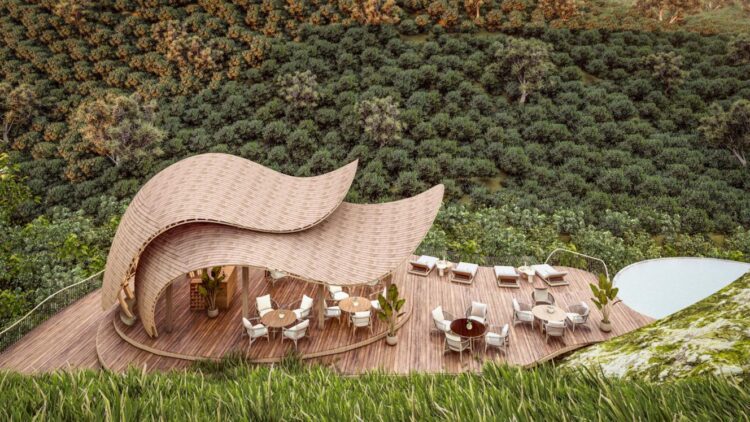
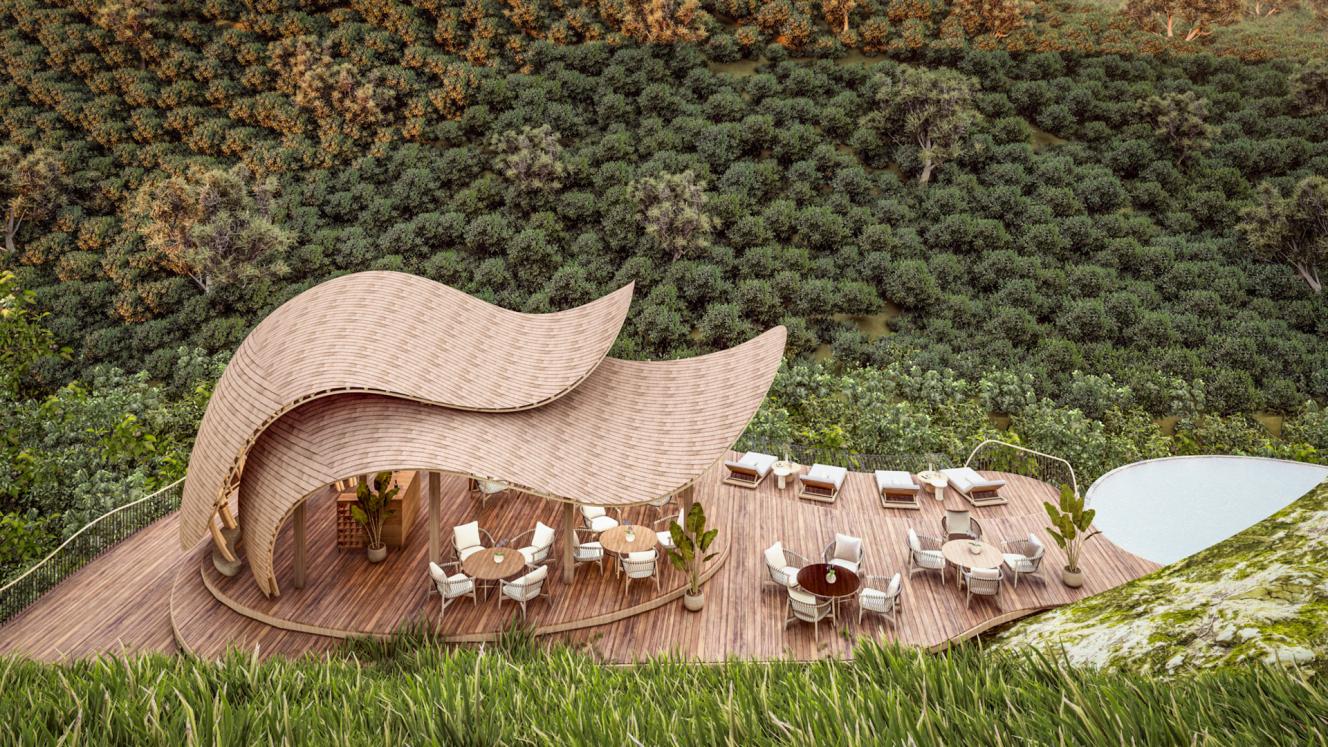
A rendering of one of the lodge’s eight suites.
Article Summary:
Asilia Africa has announced the opening of Erebero Hills, a luxury eco-lodge set to open in Uganda’s Bwindi Impenetrable Forest in August 2026. Located on 18 hectares of reforested land, the lodge will feature eight suites, including two triple suites, each with glass-fronted interiors, private viewing decks, king-size beds, and bathrooms equipped with baths and both indoor and outdoor showers. The design was led by award-winning Indonesian architects, Pablo Luna Studios. The reforestation aspect of the project involved planting around 25,000 native trees and 35 seedlings, with the long-term aim of creating a buffer zone that will become an accessible eco-tourism area.
Key Points:
Actionable Takeaways:
Investment in Eco-Tourism Infrastructure: The opening of Erebero Hills highlights the growing trend of investing in eco-lodges and sustainable tourism infrastructure. Travel companies and startups should consider developing similar projects that focus on sustainability and eco-friendly practices to meet the increasing demand for responsible travel experiences.
Importance of Architectural Innovation: The involvement of award-winning Indonesian architects, Pablo Luna Studios, underscores the importance of architectural innovation in the travel industry. Companies should explore partnerships with top architectural firms to enhance the aesthetic and functional appeal of their properties, setting them apart in a competitive market.
Sustainability as a Key Differentiator: The reforestation aspect of the project demonstrates that sustainability is becoming a key differentiator in the travel industry. Travel companies should prioritize eco-friendly initiatives, such as reforestation, carbon offsetting, and the use of renewable energy, to attract environmentally conscious travelers and gain a competitive edge.
Contextual Insights:
The announcement of Erebero Hills aligns with the current travel industry trends towards sustainability and eco-tourism. As travelers become more environmentally conscious, there is a growing demand for travel experiences that minimize ecological impact. The use of glass-fronted interiors and private viewing decks not only enhances the luxury experience but also allows guests to connect with nature in a responsible manner. This reflects a broader industry shift towards integrating sustainability into every aspect of travel, from accommodations to transportation and activities.
Moreover, the involvement of renowned architects like Pablo Luna Studios indicates a trend where luxury travel is increasingly characterized by innovative design and architectural excellence. This trend is likely to continue, with more luxury properties seeking to differentiate themselves through cutting-edge design and sustainable practices. For travel startups and established companies alike, investing in architectural innovation and sustainability can be a strategic move to attract a niche market of eco-conscious travelers and secure a competitive position in the luxury travel sector.
Read the Complete Article.
Boutique Travel VC raises investment cap from $1.5M to $10M to lead rounds and support portfolio companies through growth Travel...
Read moreDetails




