














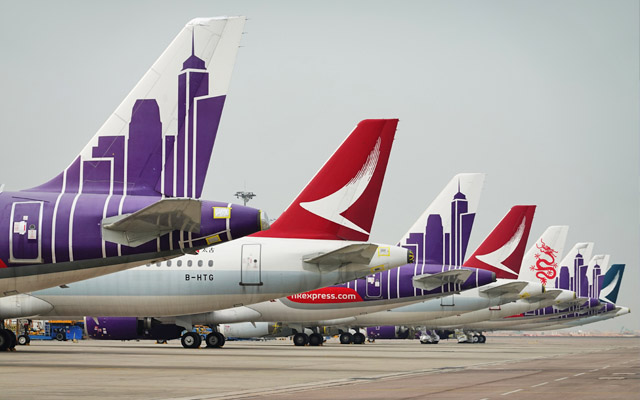










Travel Capitalist Ventures Expands Check Size to $10 Million to Deepen Emerging Market Conviction
Boutique Travel VC raises investment cap from $1.5M to $10M to lead rounds and support portfolio companies through growth Travel...
Read moreDetails
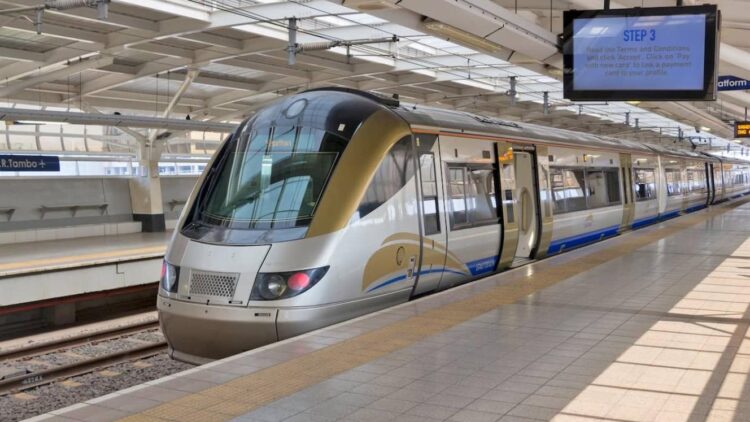
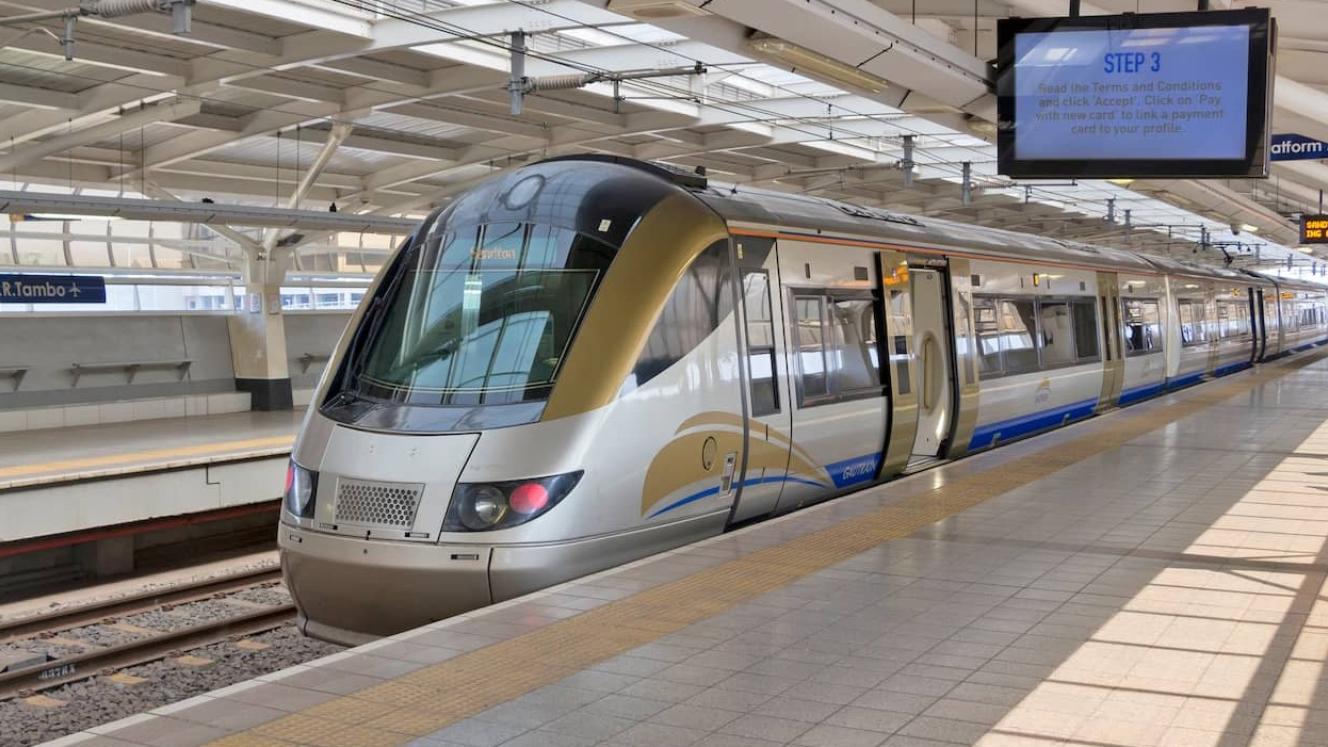
Smooth Gautrain transition essential to travel
Article Summary:
The Gautrain Management Agency (GMA) is facing a significant delay in appointing a new operator to continue the Gautrain’s operations, a situation that could negatively impact Gauteng’s business and travel economy. The current operator, Bombela Concession Company (BCC), operates under a nearly 20-year-old concession agreement set to expire on March 29, 2026. Despite this deadline, no replacement operator has been announced, with the GMA’s High-Level Programme Schedule indicating that the selection should have been completed by August 5, 2024.
Key Points:
Actionable Takeaways:
Contextual Insights:
The delay in appointing a new operator for the Gautrain underscores broader challenges within the public transport sector, particularly in managing large-scale infrastructure projects. This scenario is reflective of current industry trends where delays and inefficiencies can have cascading effects on economic activities. From a forward-looking perspective, the travel industry must prioritize technological advancements and strategic planning to mitigate such risks. Innovations in fintech and transportation management systems could play a pivotal role in ensuring smooth operations and sustaining economic growth in regions reliant on public transport infrastructure. Stakeholders should consider investing in and adopting these technologies to enhance operational efficiency and adaptability in the face of evolving market conditions.
Read the Complete Article.
Boutique Travel VC raises investment cap from $1.5M to $10M to lead rounds and support portfolio companies through growth Travel...
Read moreDetails




