
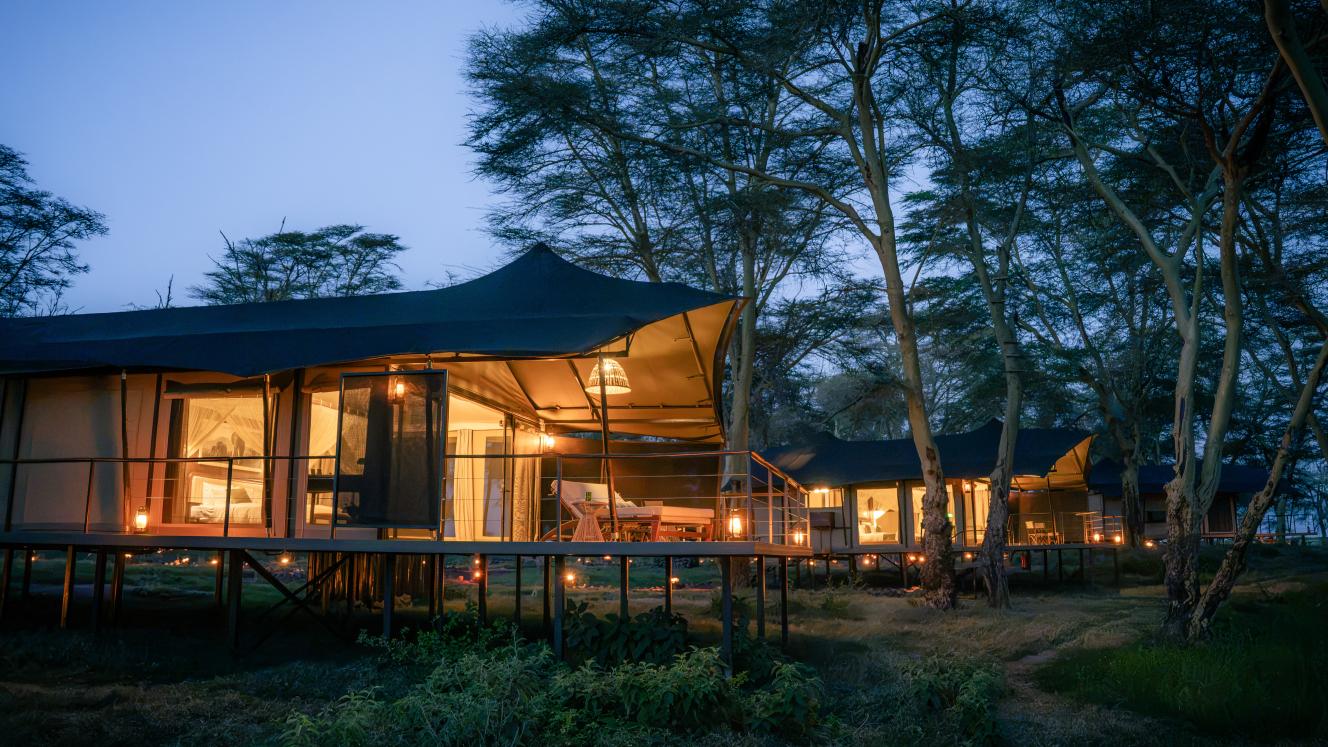
Soroi expands Kenya offering with new travel packages
THE NEWS: Soroi Collection has opened two new Kenyan properties — Soroi Amboseli inside Amboseli National Park and Soroi Blue on...
Read moreDetailsEvery alert that matters — when it happens.

Lion study launched in Kgalagadi
A vital new scientific study focused on the iconic lions of the Kgalagadi Transfrontier Park (KFTP) has officially launched, promising to significantly enhance our understanding of these magnificent predators and, in turn, bolster the park’s crucial conservation efforts and its appeal to global travelers. This ambitious research initiative aims to provide invaluable data for the long-term survival of lion populations within this vast and arid ecosystem.
The Kgalagadi Transfrontier Park, straddling South Africa and Botswana, is renowned for its stark beauty and its unique desert-adapted lion populations. These lions, accustomed to extreme conditions, represent a significant draw for wildlife enthusiasts and researchers alike. However, like many large carnivore populations globally, they face numerous threats, including habitat fragmentation, prey availability fluctuations, and human-wildlife conflict.
This comprehensive study will employ cutting-edge techniques to monitor lion health, movement patterns, social dynamics, and reproductive success. By fitting a select number of lions with GPS collars, researchers will gain unprecedented insights into their territorial ranges, hunting grounds, and interactions with other wildlife and their environment. This data is critical for developing effective management strategies, ensuring the species’ continued presence in the Kgalagadi.
Beyond the immediate conservation benefits, the findings from this study are expected to have a positive ripple effect on the tourism sector. A healthier and more robust lion population directly translates to a more compelling wildlife viewing experience for visitors. Tourists flock to the Kgalagadi with the hope of witnessing these apex predators in their natural habitat. Enhanced understanding of lion behavior and distribution can lead to improved game drive routes and more successful sightings, thereby increasing visitor satisfaction and encouraging repeat visits.
Furthermore, the study’s commitment to scientific rigor and data-driven conservation will undoubtedly enhance the Kgalagadi’s reputation as a premier wildlife destination. This focus on conservation excellence aligns with the growing global trend of eco-tourism and responsible travel, attracting a segment of travelers who prioritize destinations committed to preserving their natural heritage. The insights gained will also inform educational programs and outreach initiatives, further engaging visitors and local communities in the importance of lion conservation. Ultimately, this investment in understanding and protecting the Kgalagadi’s lions is an investment in the park’s sustainable future, both ecologically and economically.
Read the Complete Article.
THE NEWS: Soroi Collection has opened two new Kenyan properties — Soroi Amboseli inside Amboseli National Park and Soroi Blue on...
Read moreDetails

Experience the magic of the Nile aboard Kenzy Dahabeya, a luxury boutique sailing cruise that offers an unforgettable journey between...
Read moreDetails





