






No products in the cart.
- Latest
- Trending

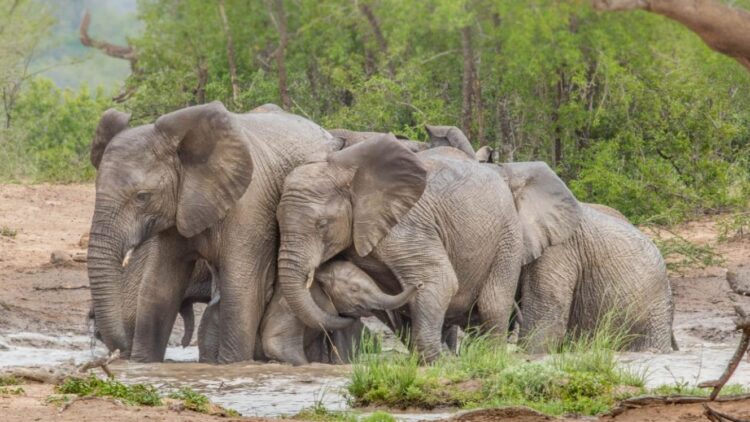
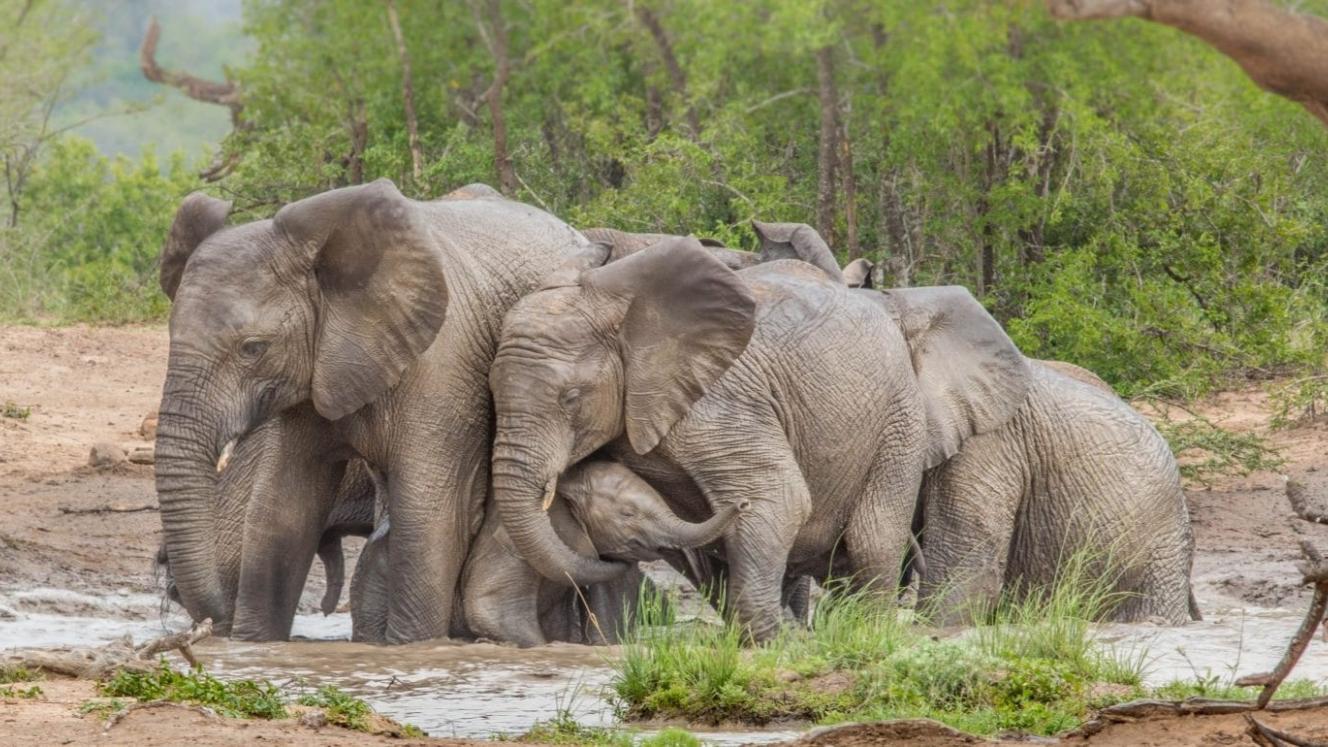
KZN plans “removal” of over 1 000 elephants
Comprehensive Summarization:
The article reports that over 1,000 elephants are set to be removed from protected areas in KwaZulu-Natal, South Africa, as part of efforts to manage ecological pressure in the region. According to Ezemvelo KZN Wildlife, 1,050 elephants are earmarked for removal, with 940 planned for relocation and the remainder potentially killed through controlled hunting or culling. The largest number of removals is planned for Hluhluwe-iMfolozi Park (650 elephants), followed by Ithala Game Reserve (170) and Tembe Elephant Park (120). Smaller numbers could be killed in uMkhuze Game Reserve (50) and the western shores of iSimangaliso Wetland Park (60). This initiative aims to address the mounting ecological pressure on these protected areas.
Key Points:
Actionable Takeaways:
Contextual Insights:
The article reflects current challenges in wildlife conservation, particularly in managing elephant populations in protected areas. The emphasis on ecological pressure highlights the delicate balance between wildlife management and conservation goals. In the context of the travel industry, this development underscores the need for adaptive tourism strategies that consider both conservation and visitor experience. As travel trends continue to evolve, with a growing emphasis on sustainable and responsible tourism, such initiatives could influence how travel companies market and manage their offerings in regions with significant wildlife populations. The focus on controlled culling or relocation also points to the increasing role of technology and data-driven decision-making in wildlife management, an area ripe for innovation and investment in the travel tech sector.
Read the Complete Article.
Get curated travel AI insights — choose the newsletters that matter to you.
This spot is reserved for brands with a compelling story for the travel trade. They use this space to cut...
Read moreDetailsTravel One Technologies launches the world’s first Traveler DNA Platform, targeting the structural data gap at the core of an...
Read moreDetails