



























Travel Capitalist Ventures Expands Check Size to $10 Million to Deepen Emerging Market Conviction
Boutique Travel VC raises investment cap from $1.5M to $10M to lead rounds and support portfolio companies through growth Travel...
Read moreDetails
Tourism industry questions ETA stats
Article Summary:
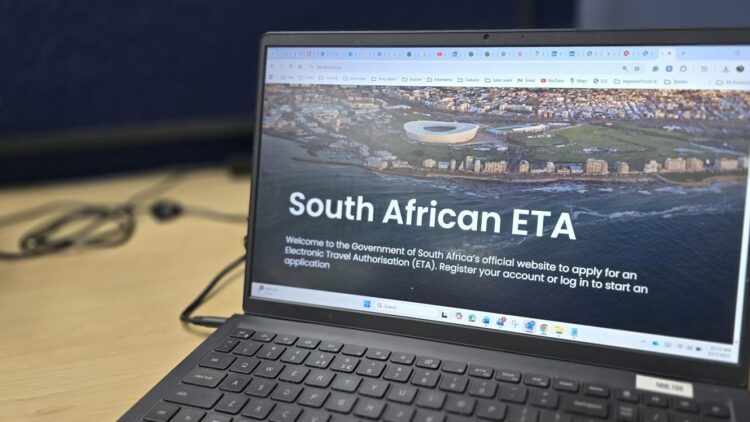
The article discusses the Department of Home Affairs (DHA) of South Africa’s ETA platform, which has approved over 10,000 applications in just over a month since its first phase launch in mid-October. The platform was initially targeted at G20 delegates from China, India, Indonesia, and Mexico. While the tourism sector has broadly welcomed this development, there are questions raised about the functionality and security processes of the new system. Minister of Home Affairs Leon Schreiber confirmed the number of approved applications during the Europe House – Ambrosetti (TEHA) CEO Dialogue on Southern Africa on November 21. Immigration expert Candice Magen, CEO of Visas Abroad, questioned the source of these applications, indicating potential concerns about the system’s effectiveness and security.
Key Points:
Actionable Takeaways:
Contextual Insights:
The introduction of the ETA platform in South Africa represents a significant advancement in travel technology, particularly in the context of enhancing border security and streamlining the visa application process. This development aligns with broader industry trends towards digitalization and automation in travel and immigration processes. The platform’s success in approving over 10,000 applications in a short period underscores the growing demand for efficient and secure travel solutions. However, the concerns raised by immigration expert Candice Magen highlight the importance of balancing technological innovation with rigorous security and verification processes. As the travel industry continues to evolve, the integration of advanced technologies like the ETA platform must be accompanied by a commitment to maintaining high standards of security and transparency. This approach not only ensures the platform’s effectiveness but also fosters trust among users and stakeholders, ultimately contributing to the growth and sustainability of the travel sector.
Read the Complete Article.
Boutique Travel VC raises investment cap from $1.5M to $10M to lead rounds and support portfolio companies through growth Travel...
Read moreDetails




