


















Travel Capitalist Ventures Expands Check Size to $10 Million to Deepen Emerging Market Conviction
Boutique Travel VC raises investment cap from $1.5M to $10M to lead rounds and support portfolio companies through growth Travel...
Read moreDetails
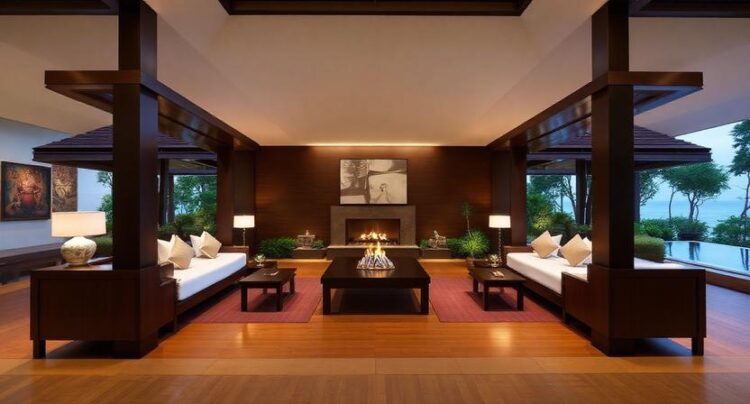
Anantara Hua Hin Resort Celebrates Twenty Fifth Anniversary with its New Renovations, Adding Wellnes...
Article Summary:
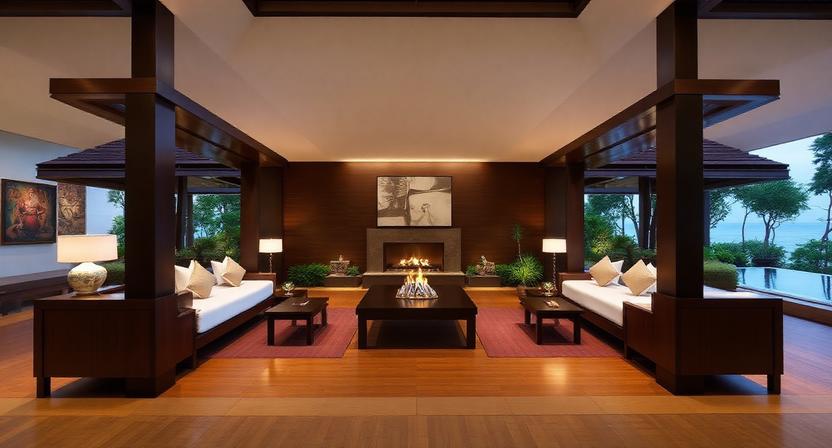
Anantara Hua Hin Resort, a luxury hotel in Thailand, is celebrating its 25th anniversary with significant renovations. The resort is integrating its signature Thai village design with modern updates, enhancing its wellness activities and sustainable tourism features. This transformation aims to strengthen the resort’s position in Thailand’s luxury tourism sector, appealing to a broader audience while maintaining its high standards of luxury hospitality.
Key Points:
Actionable Takeaways:
Contextual Insights:
The renovation of Anantara Hua Hin Resort reflects broader trends in the travel industry, such as the increasing emphasis on sustainability and wellness. As travelers become more environmentally and health-conscious, hotels are adapting by incorporating eco-friendly practices and wellness programs. This shift not only enhances guest experiences but also aligns with global sustainability goals. Furthermore, the integration of traditional design elements with modern amenities underscores the importance of heritage in luxury travel, suggesting that maintaining cultural authenticity can be a key differentiator in a competitive market. These insights highlight the need for travel businesses to innovate and adapt to evolving consumer preferences while leveraging their unique identities to stand out.
Read the Complete Article.
Boutique Travel VC raises investment cap from $1.5M to $10M to lead rounds and support portfolio companies through growth Travel...
Read moreDetails




