










No products in the cart.
- Latest
- Trending


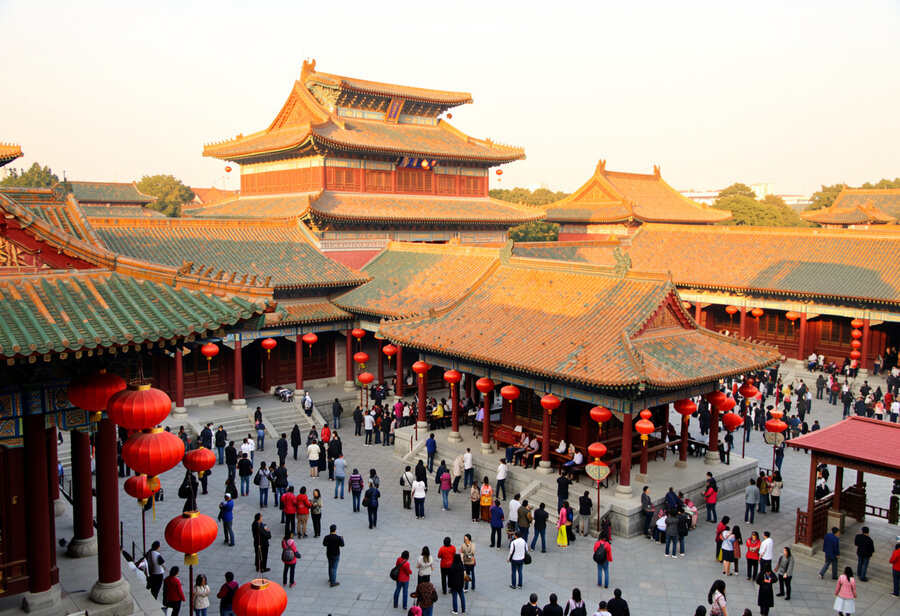
China Joins Thailand, South Korea, Malaysia and More in Reaping the Benefits of Lunar New Year Trave...
Comprehensive Summarization:
The article highlights the contrasting travel trends of China in 2026, particularly during the Lunar New Year travel season. While China, Thailand, South Korea, and Malaysia are experiencing a surge in Chinese tourists due to favorable factors such as visa-friendly policies, direct flight connections, and more accessible regional destinations, Japan has seen a significant fifty percent decline in Chinese visitors. This decline is attributed to various factors, though the article does not specify them. The surge in travel to these countries underscores a shift in travel preferences and the impact of regional policies and accessibility on tourism destinations.
Key Points:
Actionable Takeaways:
Target Marketing Strategies: Travel agencies and service providers should consider tailoring marketing strategies to highlight visa-friendly policies and direct flight connections for destinations like Thailand, South Korea, and Malaysia. This could attract more Chinese tourists, as these factors are clearly driving increased travel to these regions.
Destination Diversification: For destinations like Japan, there may be an opportunity to explore new marketing strategies to attract Chinese tourists. This could include enhancing travel experiences, improving accessibility, or leveraging digital platforms to showcase unique cultural and tourist attractions.
Contextual Insights:
The article reflects current travel trends where regional policies and accessibility significantly influence tourist destinations. The surge in Chinese tourists to Southeast Asian countries during the Lunar New Year highlights the importance of strategic marketing and policy alignment in attracting international visitors. Conversely, the decline in Chinese visitors to Japan suggests that factors such as visa requirements, flight connectivity, and perceived travel experiences play crucial roles in shaping travel preferences. This context underscores the need for travel industry stakeholders to continuously adapt to changing market dynamics and consumer preferences, leveraging technology and innovation to enhance travel offerings and accessibility.
Handling Different Article Types:
The article is a news blurb, providing factual information on travel trends and contrasting travel patterns between China and Japan during the Lunar New Year season. The structured output format ensures that the summary, key points, actionable takeaways, and contextual insights are presented in a clear and professional manner, suitable for a professional audience.
Read the Complete Article.
Get curated travel AI insights — choose the newsletters that matter to you.
This spot is reserved for brands with a compelling story for the travel trade. They use this space to cut...
Read moreDetailsTravel One Technologies launches the world’s first Traveler DNA Platform, targeting the structural data gap at the core of an...
Read moreDetails